
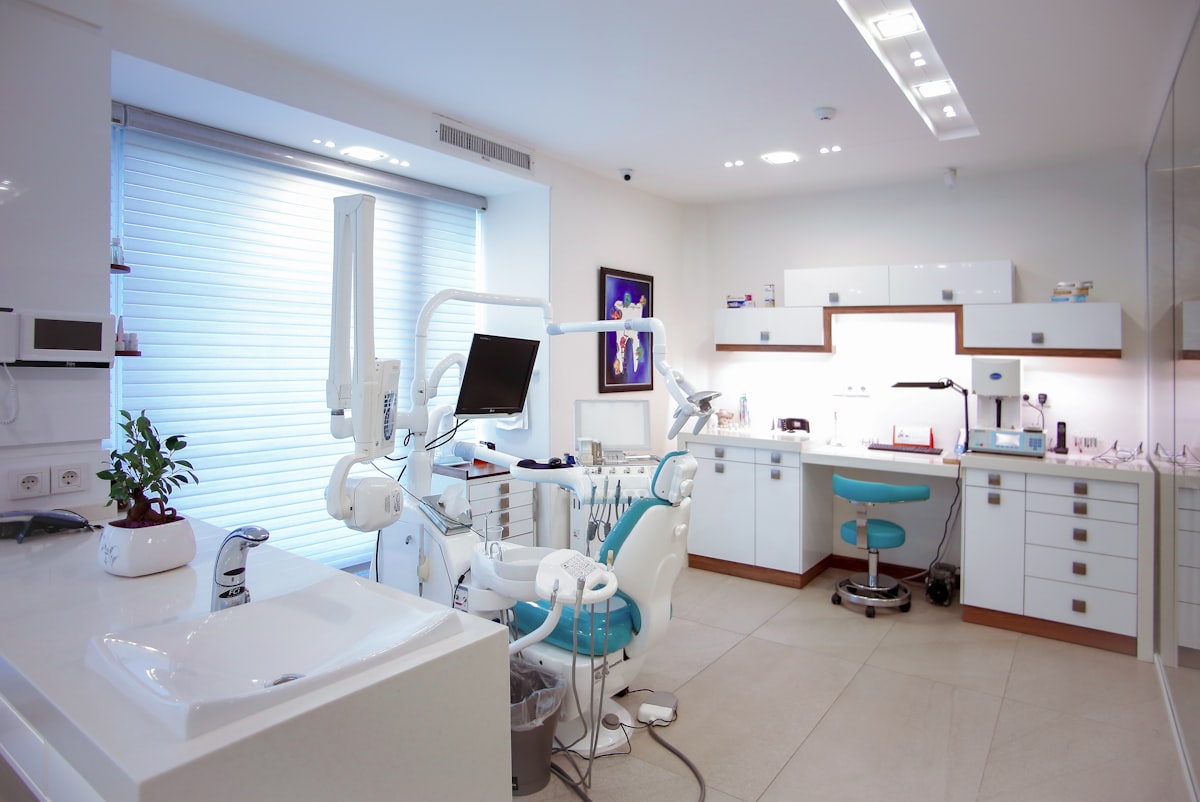
Dental Implants
Permanent replacement for missing teeth
Dental implants replace missing teeth from the root up — a titanium post is placed into the jawbone to act as an artificial tooth root, later topped with a custom-crafted crown that matches your natural teeth.
Unlike bridges or dentures, implants integrate directly with the jawbone, providing a stable, long-term foundation that also helps preserve jawbone density over time.
Key Benefits
- Permanent, stable replacement for missing teeth
- Helps preserve jawbone density long-term
- Functions and looks like a natural tooth
- No impact on adjacent healthy teeth, unlike a bridge
Is This Treatment Right For You?
- Patients with one or more missing teeth
- Those with adequate jawbone density for implant placement
- Anyone seeking a permanent alternative to dentures or bridges
What to Expect
Assessment & Planning
Imaging confirms bone density and plans exact implant placement.
Implant Placement
The titanium post is surgically placed into the jawbone.
Healing Period
The implant integrates with the bone over several months (osseointegration).
Crown Placement
A custom crown is fitted to complete the restoration.
Recovery & Aftercare
Mild swelling and tenderness for a few days after placement; the full healing and integration period before the final crown typically takes 2-4 months.
Frequently Asked Questions
How long does the full process take?
From placement to final crown, the process typically spans a few months to allow proper bone integration.
Are implants painful?
The placement procedure is performed under local anaesthetic; post-procedure discomfort is generally mild and manageable.
How long do dental implants last?
With good oral hygiene, implants can last 15-25 years or longer, in many cases for life.
Patients Also Explore
Our specialists offer a full range of complementary treatments across surgery, skin, hair and wellness.

Rhinoplasty
Refine the shape, size or profile of your nose while preserving natural breathing function.
Learn More
Botox
Relax the muscles that cause frown lines, crow's feet and forehead creases.
Learn More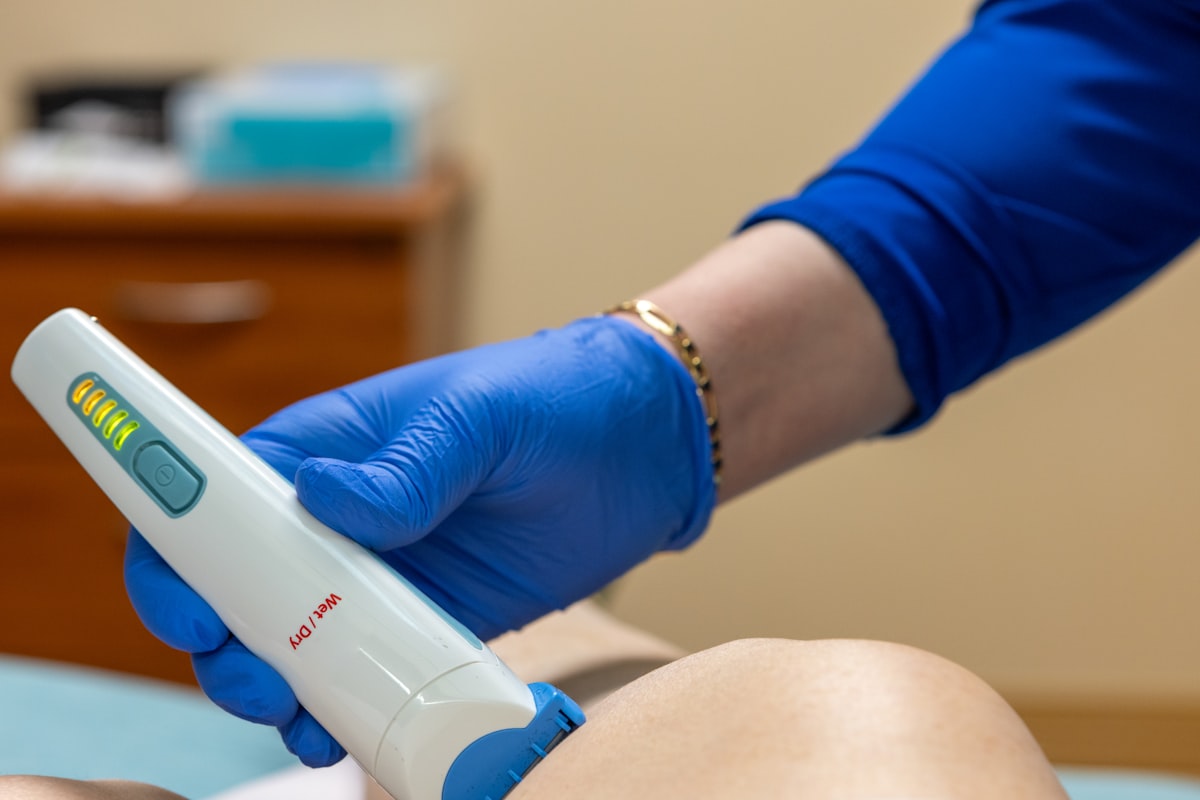
Laser Hair Removal
Reduce unwanted hair permanently across the face and body with medical-grade laser technology.
Learn MoreReady to Book Your Dental Implants Consultation?
Speak to a specialist and get an honest, personalised recommendation.