
Acne Scar Laser Treatment Abu Dhabi Clinic Reviews 2026–2027
Acne Scar Laser Treatment in Abu Dhabi: What to Expect, How to Choose a Clinic (2026–2027 Guide)
📊 Key Facts
- Acne scars are emotionally significant skin concerns treated at Abu Dhabi cosmetic clinics.
- Ice pick scars are deep, V-shaped channels resistant to surface-level laser resurfacing alone.
- Boxcar scars are broad depressions that respond well to ablative fractional laser treatment.
- Guide covers laser types, outcomes, recovery, costs, and clinic credential evaluation for Abu Dhabi.
- Scar classification is the most important factor determining appropriate laser treatment modality.
Acne scars are among the most emotionally significant skin concerns presented at cosmetic clinics across Abu Dhabi. If you have been researching laser treatments and reading clinic reviews, you have likely encountered a wide spectrum of claims — some realistic, many not. This guide, grounded in clinical transparency, is designed to give you an honest, evidence-informed framework for evaluating your options at clinics such as Enfield Royal Clinic in Khalifa City, Abu Dhabi.
We cover everything: how different lasers work, which scar types respond best, realistic outcome variability, what recovery actually involves, cost expectations in the Abu Dhabi market, and — critically — how to assess clinic credentials and read reviews without being misled.
Understanding Acne Scar Types Before Choosing Laser Treatment
Not all acne scars are the same, and scar classification is the single most important factor determining whether laser treatment is appropriate for you — and which modality to use.
Common acne scar types include:
- Ice pick scars — Deep, narrow, V-shaped channels. These tend to be the most resistant to surface-level laser resurfacing alone and often require combination approaches.
- Boxcar scars — Broad, flat-bottomed depressions with defined edges. These generally respond reasonably well to ablative fractional laser treatment.
- Rolling scars — Wide, undulating depressions caused by fibrous tissue bands beneath the skin. Laser may help with texture, but subcision is often needed to address the tethering.
- Hypertrophic or keloidal scars — Raised scarring. Ablative lasers are generally contraindicated here; different laser modalities (such as pulsed dye or Nd:YAG) may be used under specialist guidance.
- Post-inflammatory hyperpigmentation (PIH) — Flat dark marks that are not true scars. These often respond well to non-ablative lasers or combination brightening treatments.
Key takeaway: Laser treatment is not universally appropriate for all acne scar types. A thorough assessment by a qualified dermatologist is essential before any device is used.
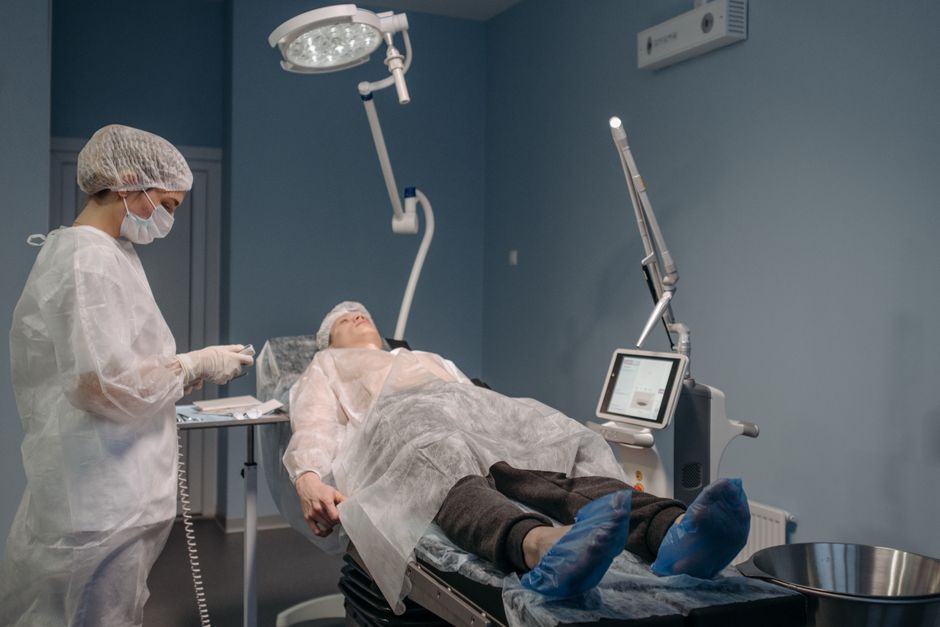
Types of Acne Scar Laser Treatments Available in Abu Dhabi
Fractional CO₂ Laser
Fractional carbon dioxide (CO₂) laser is an ablative technology that creates micro-columns of controlled thermal injury in the skin. This stimulates collagen remodelling and new tissue formation. It is typically considered for moderate to severe atrophic (depressed) scarring on lighter skin types. Because it involves ablation, downtime is real and recovery requires careful management — particularly important in Abu Dhabi's climate where sun exposure and humidity are significant factors.
Fractional Erbium Laser
Fractional erbium lasers (Er:YAG) operate on a similar principle to CO₂ but with less thermal diffusion, meaning the treatment tends to be somewhat gentler with potentially less downtime. It may be preferred for patients with moderate scarring or those who cannot afford extended recovery periods. Results are generally more incremental than CO₂.
Non-Ablative Laser Options
Non-ablative lasers (such as 1540 nm or 1927 nm wavelengths) work by heating the dermis without removing the outer skin layer. They preserve the epidermis, meaning minimal visible downtime, but outcomes for deeper structural scarring tend to be more modest. They are often better suited to mild scarring, PIH, or as maintenance between ablative sessions. Non-ablative approaches are frequently used for darker Fitzpatrick skin types (IV–VI), which are prevalent in the Abu Dhabi patient demographic, to reduce the risk of post-treatment pigment changes.
How Laser Treatment Works — Without the Overclaiming
Laser energy targets water molecules or chromophores in the skin, generating controlled thermal or photothermal injury. The body responds by triggering a wound-healing cascade: inflammation, proliferation, and finally remodelling — during which collagen and elastin are restructured. Over weeks to months, this can soften the appearance of depressed scars and improve skin texture.
What this mechanism does not guarantee:
- Complete elimination of scarring
- Identical results across all patients
- The same number of sessions for everyone
- Predictable timelines unaffected by individual biology, skin type, or lifestyle
Individual variability is clinically significant. Factors including Fitzpatrick skin type, scar depth and age, overall skin health, smoking status, sun exposure history, and adherence to post-care protocols all influence outcomes.
What to Expect: Session Numbers, Spacing, and Timelines
How many sessions are typically needed? There is no universal answer. For fractional CO₂ laser, clinical literature generally describes ranges of 3 to 6 sessions for moderate to severe atrophic scarring, spaced 4 to 8 weeks apart to allow for collagen remodelling between treatments. Non-ablative options may require more sessions — sometimes 6 or more — before improvement becomes apparent.
When will results be visible? Collagen remodelling is a slow biological process. Visible improvement typically begins emerging at 3 to 6 months after a session, with continued change occurring for up to 12–18 months. Patients who expect dramatic results after one or two sessions are often disappointed — not because the treatment has failed, but because the biology of scar remodelling takes time.
What does recovery look like? After ablative fractional CO₂ treatment:
- Days 1–3: Redness, swelling, and weeping of the treated area are normal and expected.
- Days 4–7: Peeling and bronzing as the treated skin sheds.
- Week 2 onwards: Pinkness gradually fades; the skin barrier restores.
- Full social downtime: Typically 5–10 days depending on treatment intensity.
For non-ablative lasers, downtime is significantly reduced — often limited to mild redness for 24–48 hours — but outcomes for structural scarring are correspondingly more modest.
Potential Side Effects and Risks — What Clinics Should Disclose
Ablative laser treatments carry real risks that should be discussed openly during any reputable consultation:
- Post-inflammatory hyperpigmentation (PIH): Particularly relevant for Fitzpatrick types IV–VI; darker skin tones require careful wavelength and energy selection.
- Prolonged erythema (redness): Can persist for weeks to months in some individuals.
- Infection: Breaks in the skin barrier during healing create infection risk; prescribed aftercare protocols matter.
- Scarring (rare): Improper technique or inadequate aftercare can worsen scarring rather than improve it.
- Reactivation of herpes simplex: Patients with a history of cold sores should be pre-treated with antivirals.
A reputable clinic will raise these risks with you proactively. If a consultation focuses only on results and does not discuss risks and recovery, treat that as a red flag.
Candidate Suitability: Who Is and Is Not Suitable?
More likely to be suitable:
- Patients with atrophic (depressed) boxcar or rolling scars
- Patients with stable skin health, not in active acne breakout phase
- Fitzpatrick types I–III for ablative modalities (or IV–VI with appropriate non-ablative or low-fluence protocols)
- Patients with realistic expectations and commitment to post-care
Relative contraindications to discuss with your dermatologist:
- Active cystic acne or inflamed skin
- History of keloid formation
- Recent use of isotretinoin (typically a 6–12 month gap is recommended)
- Pregnancy or breastfeeding
- Immune-compromising conditions or medications
- Unrealistic expectations about complete scar elimination
Cost Expectations in Abu Dhabi (2026–2027)
Costs for acne scar laser treatment in Abu Dhabi vary based on the technology used, the number of passes or treatment zones, the clinic's location and credentials, and whether a package of sessions is purchased.
General market ranges in Khalifa City and Abu Dhabi:
- Non-ablative fractional laser (single session): AED 800 – AED 2,000
- Fractional CO₂ laser (single session, full face): AED 2,000 – AED 5,000+
- Package deals (3–6 sessions): Often offered at a reduced per-session rate
Beware of pricing that seems anomalously low. Laser treatments require expensive, properly maintained equipment, qualified operators, and clinical oversight — costs that are reflected in legitimate pricing. Unusually cheap offers sometimes indicate undertrained operators, older technology, or inadequate aftercare support.
At Enfield Royal Clinic, transparent consultation is offered so you can understand exactly what you are being recommended and why, before committing to a treatment plan. You can read more about what a free consultation at an Abu Dhabi cosmetic clinic involves in our Cosmetic Clinic Consultation Free Abu Dhabi: Your 2026 Guide to Enfield Royal Clinic.
How to Evaluate Clinic Credentials and Practitioner Qualifications in Abu Dhabi
This is the section most clinic review platforms fail to address. Here is a practical framework:
Regulatory Standards in the UAE
Cosmetic laser procedures in Abu Dhabi fall under the oversight of the Department of Health Abu Dhabi (DOH). Legitimate clinics and practitioners must hold current DOH licensing. Patients have the right to ask to see practitioner credentials and clinic licensing before proceeding with any treatment.
Questions to Ask at Consultation
- What is your qualification in dermatology or cosmetic medicine, and are you DOH-licensed?
- Which laser system do you use, and when was it last serviced?
- How do you assess my scar type and skin type before recommending a protocol?
- What is your protocol if I develop post-treatment PIH or complications?
- Can you show me examples of outcomes in patients with similar skin tones and scar types to mine — and explain their journey honestly?
Reading Reviews Critically
Online reviews for acne scar laser clinics should be read with a structured lens:
- Look for specificity: Genuine reviews often describe the consultation process, downtime experience, and realistic timeline of improvement — not just a single dramatically positive outcome.
- Be cautious of uniform five-star language: Marketing-influenced or curated reviews tend to lack nuance about recovery challenges.
- Check the volume and recency: A clinic with consistent reviews over 12–24 months is more trustworthy than one with a sudden cluster of identical positive reviews.
- Look for responses to negative reviews: How a clinic responds to dissatisfied patients reveals its professionalism.
Laser vs. Other Acne Scar Treatments: Knowing Your Options
Laser is one tool among several. A skilled dermatologist at a reputable clinic will assess whether laser alone — or in combination with other modalities — is appropriate for your scar profile:
- Microneedling (radiofrequency or standard): Lower risk profile; suitable for a wider range of skin types; may be used in combination with laser for enhanced collagen stimulation.
- Chemical peels: Useful for surface texture and PIH; limited effectiveness for structural scarring.
- Subcision: A minor surgical technique for rolling scars with fibrous tethering beneath; often combined with laser.
- Dermal fillers: Temporary volumising approach for depressed scars; not a permanent solution.
- Combination protocols: Many patients achieve the most meaningful improvement through staged, multi-modality plans rather than any single treatment.
For patients interested in skin health more broadly, our guide to Glutathione Injection Abu Dhabi: The 2026 Complete Guide at Enfield Royal Clinic explores how intravenous skin brightening treatments are used as complementary support for skin tone and radiance.
Seasonal Considerations in Abu Dhabi
Abu Dhabi's intense UV index from March through September makes post-laser sun protection both critical and challenging. Sun exposure during the healing phase significantly elevates the risk of PIH and can compromise results. Many practitioners recommend initiating ablative laser treatment in the October–February window, when UV exposure is more manageable. If you proceed during summer months, meticulous SPF 50+ protection and minimising direct sun exposure are non-negotiable components of aftercare.
Are Results Permanent? Can Scars Return?
This question deserves an honest answer. Laser treatment stimulates collagen remodelling in existing scars — it does not prevent new scarring if acne continues to be active. Improvements achieved through laser are generally maintained over time, but:
- If acne is not controlled, new scars can form.
- The natural ageing process and ongoing collagen loss can alter how treated areas look over years.
- Results vary: some patients achieve significant improvement; others see modest softening of their scars.
Managing active acne before and alongside any laser programme is considered best clinical practice. Your dermatologist should address both the existing scars and any ongoing acne activity as part of a comprehensive treatment plan.
Why Choose Enfield Royal Clinic in Khalifa City, Abu Dhabi
Enfield Royal Clinic operates from Khalifa City, Abu Dhabi, serving patients from across the Abu Dhabi region and Al Ain. The clinic's approach to acne scar laser treatment is built on thorough individual assessment, transparent consultation, and realistic expectation setting — not aspirational claims.
Practitioners at Enfield Royal Clinic are trained in scar classification, appropriate laser modality selection for the UAE patient demographic (including darker Fitzpatrick skin types), and evidence-based combination protocols. All treatments are carried out under the UAE regulatory framework for cosmetic laser procedures.
If you are exploring facial aesthetic concerns beyond acne scarring, you may also find value in our detailed guides to Thread Lift vs Facelift Abu Dhabi and Hair Loss Clinic Abu Dhabi Men for equally transparent, evidence-grounded information.
Final Guidance: Before You Book
- Get a proper consultation first — no reputable clinic should recommend a specific laser protocol without examining your skin and scar type in person.
- Ask about credentials — DOH licensing, dermatology qualifications, and laser certification are non-negotiable.
- Request a realistic outcome discussion — be cautious of any clinic that cannot articulate the range of possible results honestly.
- Understand the full cost of a treatment course — not just the first session price.
- Plan for recovery — especially if you are considering ablative modalities during Abu Dhabi's summer months.
Informed patients make better decisions and experience better outcomes. Enfield Royal Clinic welcomes patients who come prepared with questions.
For personalised guidance, contact Enfield Royal Clinic in Khalifa City, Abu Dhabi, to schedule your consultation.
Treatments Mentioned in This Article

Facelift
Restore a firmer, more youthful facial contour by repositioning underlying tissue.
Learn More
Dermal Fillers
Hyaluronic acid fillers restore lost volume and soften deeper facial lines.
Learn More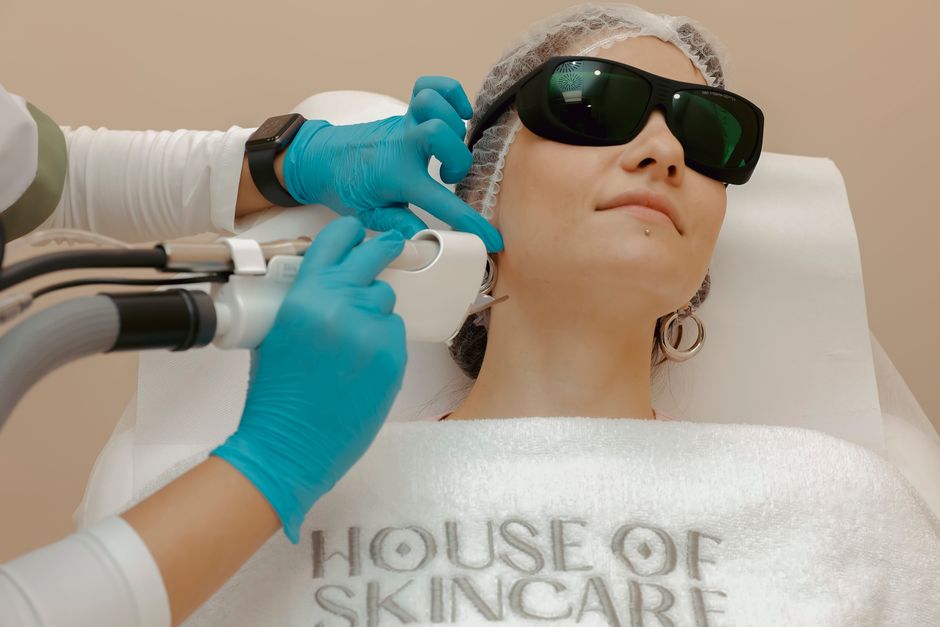
Laser Treatment in Abu Dhabi
Enfield Royal Clinic offers the full range of medical laser treatments to patients across Abu Dhabi.
Learn MoreReady to Begin Your Transformation?
Book a free consultation with our specialist team at Enfield Royal Clinic Khalifa City.