

Liver Cancer Screening
Ultrasound and AFP monitoring for early liver cancer detection
Hepatocellular carcinoma (primary liver cancer) predominantly develops in livers already affected by cirrhosis or chronic hepatitis B or C. Regular 6-monthly surveillance in at-risk patients significantly improves the chance of detecting cancer at a stage where curative treatment is possible.
Surveillance combines abdominal ultrasound with serum AFP (alpha-fetoprotein) measurement every 6 months. Any suspicious lesion identified triggers immediate advanced imaging (CT or MRI) for characterisation.
Key Benefits
- Evidence-based 6-monthly screening protocol for at-risk patients
- Combines ultrasound and blood markers for comprehensive surveillance
- Early detection when curative treatment remains possible
- Coordinated pathway with hepatology and oncology when needed
Is This Treatment Right For You?
- Patients with liver cirrhosis of any cause
- Those with chronic hepatitis B or C infection
- Patients with non-alcoholic steatohepatitis (NASH) progressing to cirrhosis
What to Expect
Baseline Assessment
Liver function, hepatitis status and ultrasound at enrolment.
6-Monthly Surveillance
Ultrasound and AFP every 6 months.
Alert Protocol
Any new lesion or AFP rise triggers immediate advanced imaging.
Multidisciplinary Review
Suspicious findings reviewed by hepatology and oncology team.
Recovery & Aftercare
No recovery — surveillance is entirely non-invasive.
Frequently Asked Questions
I have hepatitis B but normal liver function — do I need screening?
Yes, in most cases — hepatitis B carries a direct hepatocellular carcinoma risk even without cirrhosis in certain groups; your specialist will advise.
Patients Also Explore
Our specialists offer a full range of complementary treatments across surgery, skin, hair and wellness.
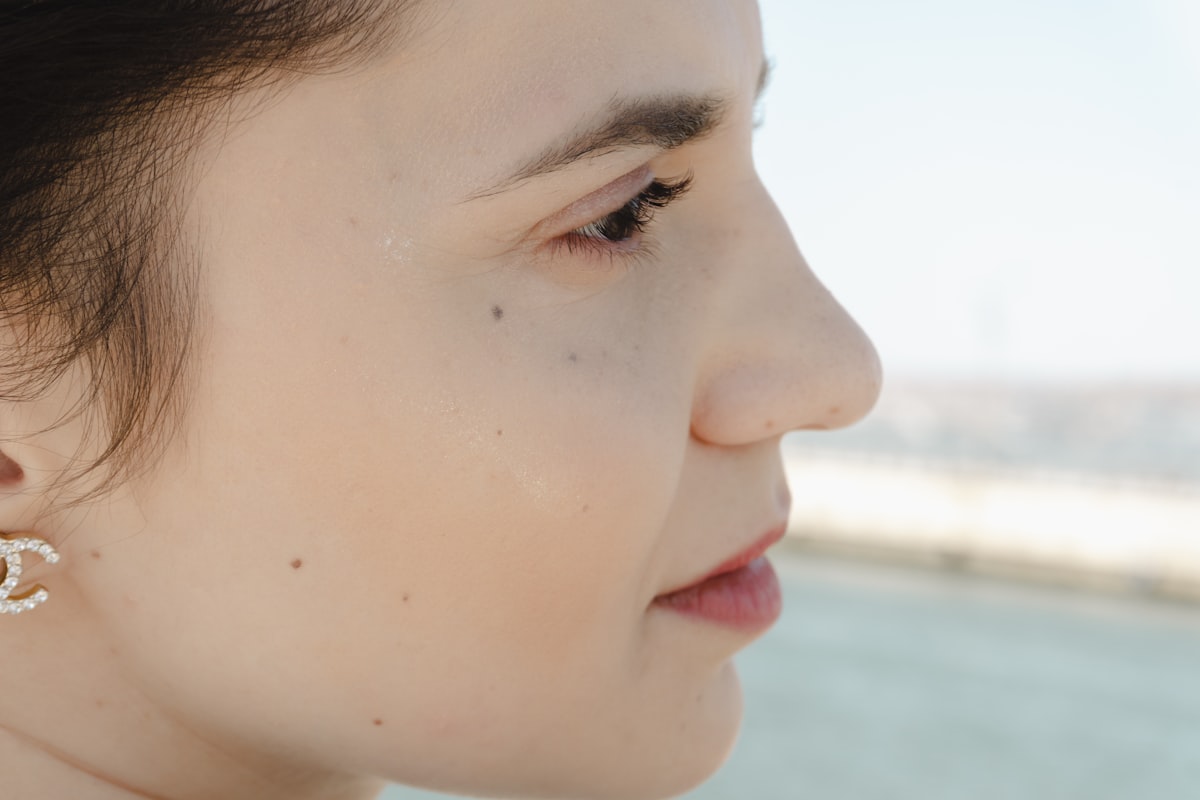
Rhinoplasty
Refine the shape, size or profile of your nose while preserving natural breathing function.
Learn More
Breast Augmentation
Enhance breast volume and shape using high-quality implants or fat transfer.
Learn More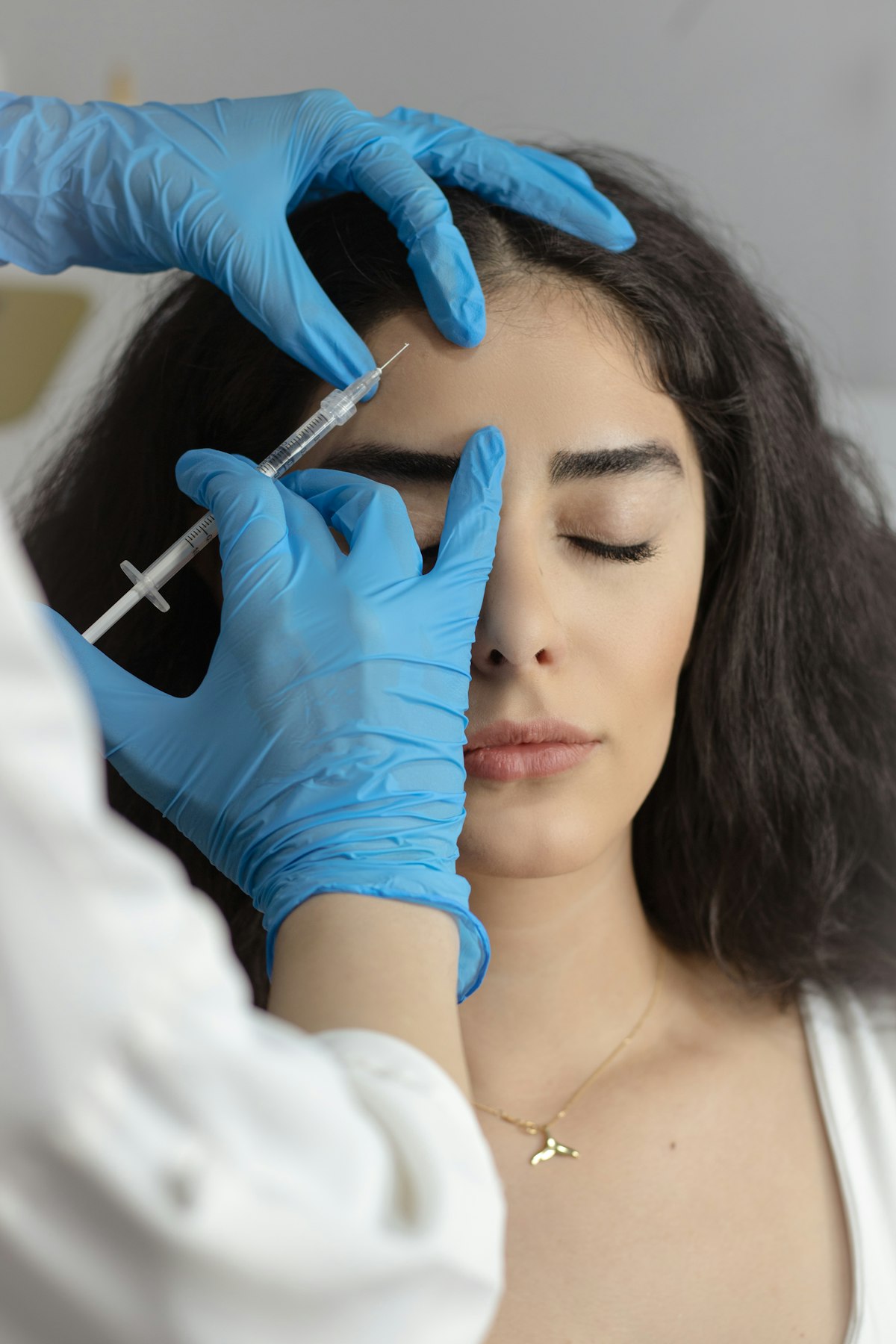
Botox
Relax the muscles that cause frown lines, crow's feet and forehead creases.
Learn MoreReady to Book Your Liver Cancer Screening Consultation?
Speak to a specialist and get an honest, personalised recommendation.