

Prostate Cancer Screening
PSA testing and prostate assessment for early cancer detection
Prostate cancer is the most common cancer in men — and when detected early, it is highly treatable. Our prostate screening programme combines PSA testing, clinical assessment and, where indicated, multiparametric MRI to identify concerns early and guide appropriate next steps.
Screening is offered from age 50 (or 45 for high-risk individuals including those of African descent or with a family history), with results interpreted in context by an experienced urologist.
Key Benefits
- PSA blood test enables early detection of prostate changes
- Urologist-led assessment puts results in clinical context
- MRI and biopsy pathway for elevated or rising PSA
- Balances detection with avoiding over-treatment
Is This Treatment Right For You?
- Men aged 50+ wanting prostate cancer screening
- Those aged 45+ with family history or African ancestry
- Men with urinary symptoms or elevated PSA on routine testing
What to Expect
Urological Consultation
Risk factors, urinary symptoms and family history reviewed.
PSA Blood Test
PSA measured from a simple blood draw.
DRE
Digital rectal examination to assess prostate size and texture.
Results & Pathway
PSA result contextualised; MRI or biopsy arranged if indicated.
Recovery & Aftercare
No downtime for PSA and DRE screening.
Frequently Asked Questions
Does a raised PSA mean cancer?
No — PSA can be elevated by BPH, prostatitis or other benign conditions; a raised PSA is an indication for further investigation, not a cancer diagnosis.
How often should I have a PSA test?
Annually from age 50 (or 45 for high-risk men); more frequently if a previous result was borderline or rising.
Patients Also Explore
Our specialists offer a full range of complementary treatments across surgery, skin, hair and wellness.

Rhinoplasty
Refine the shape, size or profile of your nose while preserving natural breathing function.
Learn More
Breast Augmentation
Enhance breast volume and shape using high-quality implants or fat transfer.
Learn More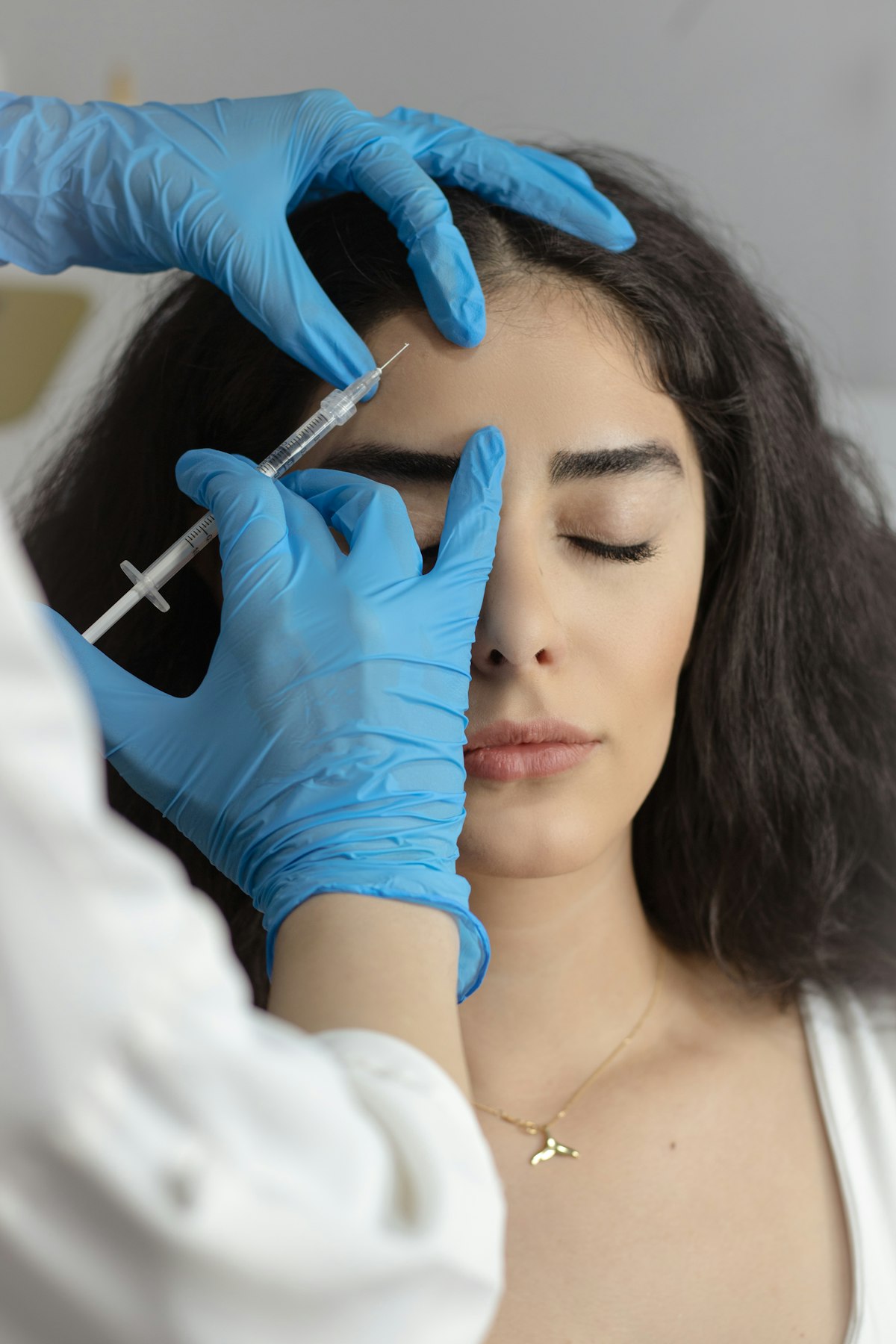
Botox
Relax the muscles that cause frown lines, crow's feet and forehead creases.
Learn MoreReady to Book Your Prostate Cancer Screening Consultation?
Speak to a specialist and get an honest, personalised recommendation.