
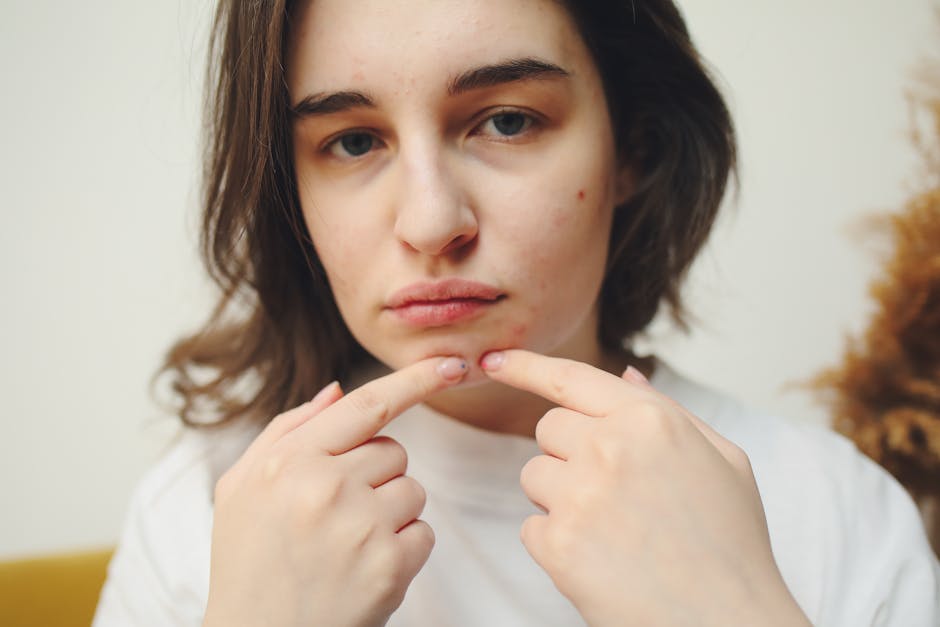
Acne Scar Treatment Abu Dhabi 2026–2027: Types, Options & What to Expect at Enfield Royal Clinic
Acne Scar Treatment in Khalifa City Abu Dhabi 2026–2027: Types, Modalities & Realistic Expectations at Enfield Royal Clinic
📊 Key Facts
- Enfield Royal Clinic in Khalifa City, Abu Dhabi offers individualized acne scar treatment plans
- Treatment modalities include laser resurfacing, subcision, RF microneedling, and soft tissue fillers
- Atrophic scars are the most common type treated at aesthetic clinics
- Acne scar treatment outcomes vary by scar type, skin tone, and healing capacity
- Board-certified physicians conduct thorough assessments before designing treatment plans
Acne scars are among the most emotionally challenging skin concerns—not because they are unavoidable, but because so many people are told they can be simply removed. The reality is more nuanced, and understanding that nuance is precisely what separates a clinic worth trusting from one making promises it cannot keep.
At Enfield Royal Clinic, located in Khalifa City, Abu Dhabi, our philosophy begins with honesty. Acne scar treatment is a clinical process tailored to scar type, skin tone, healing capacity, and lifestyle. Improvement is achievable for the vast majority of patients—but the degree, timeline, and method will differ for every individual.
This guide walks you through everything you need to know before booking a consultation in 2026–2027.
Understanding Acne Scars: Why Classification Matters
Before any treatment can be recommended, your treating physician must accurately classify your scars. This step is non-negotiable—using the wrong modality on the wrong scar type will yield poor outcomes and may worsen the skin's appearance.
Atrophic Scars (Depressed Scars)
Atrophic scars form when the skin loses collagen during the healing process, leaving depressions in the surface. They are the most common type treated at aesthetic clinics and are further divided into three subtypes:
- Ice pick scars – narrow, deep, V-shaped. Among the most difficult to treat due to their depth.
- Boxcar scars – broad, well-defined edges with a U-shaped base. Respond well to resurfacing treatments.
- Rolling scars – shallow, wave-like undulations caused by fibrous tethering beneath the skin. Often benefit from subcision.
Hypertrophic Scars (Raised Scars)
These develop when the body produces excess collagen, creating a raised scar that remains within the boundary of the original wound. They are more common on the chest, back, and shoulders. Treatment typically involves steroid injections, laser, or silicone-based therapy.
Keloid Scars
Keloid scars extend beyond the original wound boundary and are more prevalent in patients with darker Fitzpatrick skin types—a consideration highly relevant in Abu Dhabi's diverse patient population. Keloids require a carefully managed approach, as aggressive laser or surgical intervention can stimulate further growth.
At Enfield Royal Clinic, every patient undergoes a detailed scar mapping assessment before any treatment plan is proposed. There is no one-size-fits-all protocol here.

Treatment Modalities Available at Enfield Royal Clinic, Khalifa City
1. Laser Resurfacing (Fractional, Ablative & Non-Ablative)
Laser resurfacing remains one of the most evidence-supported modalities for atrophic acne scars. The key distinction lies in the type of laser used:
- Fractional non-ablative lasers (e.g., 1540 nm, 1927 nm) deliver controlled thermal energy into the dermis without removing the surface layer. Downtime is minimal, making this suitable for patients who cannot take extended recovery time.
- Fractional ablative lasers (e.g., CO₂ or Er:YAG) vaporise microscopic columns of skin tissue, triggering a more significant collagen remodelling response. These tend to deliver more noticeable improvement per session but require 5–10 days of recovery.
- Non-ablative lasers are gentler still and are often used for maintenance or for patients with darker skin tones where aggressive ablation poses a risk of post-inflammatory hyperpigmentation.
Realistic expectation: Most patients see a 30–60% improvement in scar depth and texture after a course of laser sessions. Multiple sessions—typically 3 to 6, spaced 4 to 6 weeks apart—are usually required.
2. Subcision
Subcision is a minor surgical technique specifically designed for rolling scars. A fine needle or cannula is inserted beneath the scar, and the fibrous bands tethering the scar to deeper tissue are released. Once these bands are broken, the skin can rise to a more normal level.
Subcision is frequently combined with other treatments—particularly fillers or RF microneedling—for enhanced and more durable results. As a standalone treatment, it may require 2–4 sessions depending on the extent of tethering.
3. Soft Tissue Fillers
Dermal fillers can be used to temporarily raise depressed scars, particularly boxcar and rolling subtypes. Hyaluronic acid fillers are most commonly used, providing an immediate visual improvement. However, fillers are not a permanent solution—results typically last 9–18 months before reinjection is needed.
Fillers are most effective as a component of a combination protocol, particularly following subcision, when the released tissue benefits from volumetric support.
4. Microneedling and RF Microneedling
Standard microneedling uses fine needles to create micro-channels in the skin, stimulating the body's wound-healing response and promoting collagen production. It is a gentle, well-tolerated option suitable for mild to moderate atrophic scarring.
Radiofrequency (RF) microneedling (such as Morpheus8 or Sylfirm X) adds thermal energy through the needle tips, reaching the deeper dermal layers where collagen remodelling is most impactful. This combination is particularly effective for patients with active collagen loss and is considered one of the more versatile modalities available—safe across a range of skin tones when calibrated correctly.
Typically, 3–4 sessions are recommended, spaced 4–6 weeks apart.
5. Combination Therapy: Often the Most Effective Approach
For moderate to severe acne scarring, single-modality treatment is rarely sufficient. A combination protocol—for example, subcision followed by RF microneedling and fractional laser—addresses multiple dimensions of the scar simultaneously:
- Subcision releases tethering
- RF microneedling stimulates deep collagen remodelling
- Fractional laser refines surface texture and pigmentation
Combination approaches require careful sequencing and physician oversight, but they tend to yield more meaningful improvement than any single treatment applied repeatedly. At Enfield Royal Clinic, combination protocols are designed individually following your assessment.
What Does 'Improvement' Actually Mean? Honest Expectation-Setting
It is important to be direct: acne scar treatment aims to improve the appearance of scars, not to eliminate them entirely. The degree of improvement is influenced by scar type and depth, your skin's individual healing response, adherence to pre- and post-treatment protocols, the number of sessions completed, and your Fitzpatrick skin type and propensity for pigmentation or keloid formation.
For many patients, a well-designed treatment plan can produce meaningful, visible improvement that significantly enhances their confidence and skin texture. For others, particularly those with deep ice pick scars or keloids, improvement may be more modest—and understanding this before committing to treatment is essential.
Results are also not always immediate. Collagen remodelling is a biological process that unfolds over 3–6 months following each session. Final results from a treatment series may not be fully visible for up to 12 months after the last session.
Pre-Treatment Considerations: Managing Active Acne First
Acne scar treatment should not be initiated while acne is still actively breaking out. Treating scars in the presence of active inflammation risks creating new scarring, compromises results, and in some cases can spread bacteria across the skin.
Your physician at Enfield Royal Clinic will assess your current acne status during consultation. If active acne is present, a skin stabilisation plan—potentially including topical or oral interventions—will be recommended before scar treatment begins.
Additionally, patients on isotretinoin (Accutane) must have completed their course and observed a minimum waiting period (typically 6 months) before undergoing ablative or resurfacing procedures.
Pre- and Post-Treatment Care at Enfield Royal Clinic
Proper skincare preparation and aftercare are integral to achieving optimal outcomes and minimising the risk of complications such as post-inflammatory hyperpigmentation (PIH) or prolonged redness.
Pre-treatment care typically includes:
- Daily SPF 50+ sunscreen use for a minimum of 4 weeks prior
- Avoidance of waxing, chemical peels, or abrasive exfoliation for 2 weeks prior
- Possible use of a priming agent (such as a retinoid or hydroquinone) to prepare the skin, particularly in patients with darker skin tones
- Disclosure of all medications and supplements
Post-treatment care typically includes:
- Gentle, fragrance-free skincare only during the healing phase
- Strict sun avoidance and daily SPF use for 4–8 weeks
- Avoidance of heat, saunas, and intense exercise for 48–72 hours post-procedure
- Prescribed topical agents to support healing and reduce PIH risk
- Scheduled follow-up appointments to monitor progress
Your care team will provide written post-treatment instructions specific to the modality used.
The Consultation and Assessment Process
Every acne scar treatment journey at Enfield Royal Clinic begins with a thorough, unhurried consultation. During this appointment, your physician will conduct a detailed examination of your scar types, distribution, and depth; review your skin tone and Fitzpatrick classification; discuss your medical history, including previous treatments and any medications; understand your goals and address any misconceptions; and design an individualised treatment plan with a clear timeline and realistic milestones.
If you are curious about what to expect during your first visit or whether a complimentary consultation is available, our 2026 guide to free cosmetic clinic consultations in Abu Dhabi provides helpful preparation advice.
Physician Credentials and Clinical Standards
At Enfield Royal Clinic, acne scar treatments are performed by licensed physicians and certified aesthetic practitioners operating under UAE Ministry of Health and Prevention (MOHAP) regulatory standards. All practitioners hold relevant board certifications and undergo ongoing professional development to remain current with evolving evidence in aesthetic dermatology.
We do not delegate clinical procedures to unqualified staff, and every treatment plan is reviewed and signed off by a qualified physician—not generated from a template.
Clinic Location, Accessibility & Hours
Enfield Royal Clinic is located in Khalifa City, Abu Dhabi, making it accessible to patients from across Abu Dhabi city, as well as those travelling from Al Ain or other Emirates seeking a premium, qualified aesthetic clinic.
Khalifa City offers excellent road connectivity via Sheikh Zayed Bin Hamdan Al Nahyan Street and is conveniently situated near residential communities, making it a practical choice for patients who prefer a clinic setting outside the city centre.
Clinic hours and appointment availability can be confirmed directly through our reception team. We offer appointments during standard weekday hours and select weekend slots to accommodate varied schedules.
Frequently Asked Questions
How many sessions will I need? This depends entirely on your scar type and chosen modality. As a general guide: fractional laser typically requires 3–6 sessions; RF microneedling 3–4 sessions; subcision 2–4 sessions. Combination protocols may involve fewer overall sessions by addressing multiple dimensions simultaneously.
Are results permanent? Collagen improvements stimulated by laser and microneedling are long-lasting, but the skin continues to age naturally. Filler results are temporary and require maintenance. Some patients choose periodic maintenance sessions 12–18 months after completing their initial series.
Is acne scar treatment suitable for all skin tones? Yes, but the choice of modality must be adapted for darker skin tones (Fitzpatrick IV–VI) to minimise PIH risk. This is an area of particular relevance in Abu Dhabi's cosmopolitan patient population, and our physicians are experienced in managing this complexity.
Can I combine acne scar treatment with other skin concerns? Often, yes. Patients interested in skin brightening alongside scar improvement may benefit from treatments such as glutathione injections, which may support overall skin luminosity. Those exploring facial rejuvenation alongside scar treatment may find our 2026 guide to thread lifts vs facelifts a useful reference for understanding the range of options available.
Ready to Begin Your Assessment?
If you have been living with acne scars and are considering treatment, the most valuable first step is an honest, individualised assessment with a qualified physician who can tell you clearly what your scars are, what your realistic options look like, and what improvement may be achievable for your specific situation.
Enfield Royal Clinic in Khalifa City, Abu Dhabi is committed to that level of transparency. We do not offer guarantees—we offer expertise, honest assessment, and a treatment partnership built on realistic goals.
Contact us today to schedule your personalised acne scar consultation.
Treatments Mentioned in This Article

Facelift
Restore a firmer, more youthful facial contour by repositioning underlying tissue.
Learn More
Dermal Fillers
Hyaluronic acid fillers restore lost volume and soften deeper facial lines.
Learn More
Chemical Peels
Dermatologist-led acid peels for pigmentation, acne scarring and uneven tone — with peel depth matched to your skin type and downtime tolerance.
Learn MoreReady to Begin Your Transformation?
Book a free consultation with our specialist team at Enfield Royal Clinic Khalifa City.