

Dermal Fillers for Chin & Jawline in Khalifa City 2026–2027
Dermal Fillers for Chin & Jawline in Khalifa City, Abu Dhabi: Types, Realistic Results & What to Expect in 2026–2027
📊 Key Facts
- Dermal fillers for chin and jawline are most requested non-surgical treatments in UAE
- Fillers add volume and definition but do not alter bone structure
- Results depend on individual anatomy, skin quality, and injector technique
- Enfield Royal Clinic in Khalifa City offers professional consultation services
- Guide covers filler types, realistic outcomes, candidacy, and treatment expectations
The lower face — specifically the chin and jawline — plays a defining role in how balanced and proportionate your facial profile appears. As aesthetic medicine continues to evolve across the UAE, dermal fillers for chin and jawline enhancement have emerged as one of the most sought-after non-surgical treatments at premium clinics in Khalifa City, Abu Dhabi, and beyond.
But with popularity comes misinformation. This guide cuts through the marketing noise to give you an honest, evidence-informed overview of what chin and jawline fillers can realistically achieve, what the procedure involves, and how to approach your consultation with clarity.
What Are Dermal Fillers and How Do They Work for Chin and Jawline Enhancement?
Dermal fillers are injectable substances that add volume, contour, or definition to specific areas of the face. When used in the chin and along the jawline, they work by physically repositioning soft tissue, adding structural projection, or softening transitional areas — depending on the technique and filler material selected.
They do not alter bone structure. They work within the soft tissue layer, and results are therefore subject to individual anatomy, skin quality, and the injector's technique. It's important to hold that realistic understanding from the outset.
At Enfield Royal Clinic in Khalifa City, every treatment begins with a detailed anatomical assessment — because what works for one patient's chin projection may be entirely different from what another person's jawline refinement requires.

Common Filler Types Used for Chin and Jawline: What You Should Know
Not all fillers are the same. The material used directly influences the texture of results, longevity, and suitability for different anatomical goals. Here are the three primary categories used in chin and jawline aesthetic work:
1. Hyaluronic Acid (HA) Fillers — e.g., Juvéderm Volux, Restylane Defyne
Hyaluronic acid is a naturally occurring sugar molecule found in the body. HA fillers are the most widely used globally and are well-suited to chin and jawline work because they are reversible — meaning an enzyme called hyaluronidase can dissolve them if needed.
Characteristics relevant to chin/jawline use:
- Available in a range of firmness levels; denser formulations (such as Juvéderm Volux) are specifically engineered for lower-face structural work
- Results are visible relatively quickly, though some initial swelling must be factored into early assessments
- Longevity varies meaningfully between individuals — broadly ranging from several months to around 12–18 months, though this is highly individual and not guaranteed
- Reversibility makes them a preferred starting point for patients new to fillers
2. Calcium Hydroxylapatite (CaHA) — Radiesse
Calcium hydroxylapatite is a mineral-like compound that produces a firmer, more structural result than most HA fillers. It is often considered for patients seeking more pronounced jawline definition.
Characteristics relevant to chin/jawline use:
- Provides immediate volumising effect; the calcium microspheres within the gel carrier gradually integrate with surrounding tissue over time
- Not reversible with an enzyme (no equivalent to hyaluronidase exists for CaHA)
- Duration tends to be somewhat longer than standard HA fillers on average, though individual variation applies
- Typically not recommended for first-time filler patients or those with very fine skin
3. Poly-L-Lactic Acid (PLLA) — Sculptra
PLLA is classified as a biostimulatory agent rather than a traditional volumising filler. It works differently from HA and CaHA products.
Characteristics relevant to chin/jawline use:
- Results develop gradually over a series of treatments as the product interacts with surrounding tissue — immediate visible change is minimal
- Better suited to patients seeking subtle, gradual improvement in lower-face definition and skin quality rather than immediate projection or contouring
- Results may persist for longer durations on average, but again, this varies considerably by individual metabolism and lifestyle
- Requires a different expectation-setting conversation during consultation
Important: No filler type produces permanent results. All categories will gradually break down or be metabolised, and maintenance sessions are part of responsible long-term planning — not a sales tactic.
What Concerns Can Chin and Jawline Fillers Address?
Professionally administered fillers in this area may help address a range of aesthetic concerns:
- Weak or receding chin: Adding anterior projection to the chin can improve the perceived balance between facial features, particularly the nose and forehead in profile view.
- Undefined jawline: Strategic placement along the mandibular border can create a more defined edge — though the degree of definition achievable varies based on existing tissue laxity and volume distribution.
- Age-related changes: Volume loss in the lower face is a natural part of ageing. Fillers may help restore some of that lost volume and soften the appearance of jowling in early-to-moderate presentations.
- Chin asymmetry: Minor asymmetries can sometimes be addressed through targeted filler placement, though this requires precise assessment.
What fillers are unlikely to address: Significant ptosis (drooping) of the lower face, substantial jowling caused by significant skin laxity, or concerns rooted primarily in bone structure are generally not well-suited to fillers alone. In such cases, a qualified practitioner will discuss whether a combination approach or surgical referral is more appropriate — and that honest conversation is a hallmark of responsible practice.
The Consultation: What Happens and Why It Matters
A thorough consultation is not a formality — it is the foundation of a safe, appropriate outcome. At Enfield Royal Clinic, consultations for chin and jawline fillers typically include:
- Facial analysis: Assessment of proportions, symmetry, skin quality, and tissue characteristics from multiple angles
- Goal discussion: Understanding what you hope to achieve and setting realistic expectations around what is and isn't achievable
- Medical history review: Identifying any contraindications (autoimmune conditions, certain medications, allergies, pregnancy, etc.)
- Filler selection discussion: Recommendation of filler type based on your anatomy and goals — not a one-size-fits-all protocol
- Treatment planning: Whether a single session addresses your goals, or whether a phased approach is more appropriate
Patients travelling from Dubai, Sharjah, or other Emirates are welcome for consultations at our Khalifa City location. For those seeking convenient scheduling options, we offer same-day specialist appointments and weekend availability to accommodate busy schedules across the UAE.
What to Expect During and After Treatment
During the Procedure
Chin and jawline filler injections are typically performed with a topical anaesthetic applied beforehand, and many filler products also contain lidocaine to minimise discomfort during injection. The procedure itself generally takes between 20–45 minutes depending on the areas being treated.
Injectors may use a fine needle, a cannula (blunt-tipped instrument), or a combination of both — the choice depends on the specific anatomy and injection site.
Immediately After Treatment
Expect the following in the hours and days following treatment:
- Swelling: Variable in degree; most noticeable in the first 24–72 hours. This can temporarily distort the initial appearance of results.
- Bruising: Possible, particularly along bony margins. Typically resolves within 7–14 days.
- Tenderness: Mild pressure sensitivity at injection sites for a few days.
- Firmness: Filler may feel firm or slightly irregular immediately after; this generally settles over 2–4 weeks as the product integrates.
Results should not be fully assessed until swelling has resolved — typically 2–4 weeks post-treatment.
Aftercare Guidance
- Avoid strenuous exercise for 24–48 hours
- Avoid significant heat exposure (saunas, steam rooms) for 48 hours
- Sleep with your head slightly elevated for the first night if possible
- Avoid firm pressure or massage on the treated area unless instructed otherwise by your practitioner
- Attend any recommended follow-up appointments
Duration of Results and Planning for Maintenance
This is an area where honest guidance is especially important. Filler longevity is frequently overstated in marketing materials.
Reality: Duration varies considerably based on:
- The specific filler product used
- The anatomical area treated (more dynamic areas break down product faster)
- Your individual metabolism
- Lifestyle factors including sun exposure, smoking, and exercise intensity
- The volume and technique used
Rather than committing to a specific duration at the outset, your practitioner should discuss a realistic range and plan for follow-up assessment. Maintenance is a normal part of filler treatment — understanding this before you begin helps you plan appropriately.
Possible Side Effects and Risks
All injectable treatments carry a risk profile. For chin and jawline fillers, this includes:
- Temporary swelling, bruising, and tenderness (common, expected)
- Asymmetry if product migrates or is unevenly distributed (can often be addressed at follow-up)
- Lumpiness or irregularity in the early weeks
- Infection (rare with proper sterile technique)
- Vascular occlusion — a rare but serious complication where filler enters or compresses a blood vessel; this underscores why injector experience and anatomical knowledge are non-negotiable
- Tissue necrosis in severe vascular events (very rare)
Choosing a qualified, experienced practitioner who understands lower-face anatomy and has access to reversal agents (for HA fillers) significantly reduces, though does not eliminate, these risks.
Cost Considerations
The cost of chin and jawline filler treatment varies depending on the number of syringes required, the filler type selected, and the complexity of the case. At a premium clinic, pricing reflects not only product quality but also the practitioner's expertise, the clinical environment, and the depth of consultation provided.
We recommend approaching cost as one factor among several — the practitioner's qualifications, the clinic's safety standards, and the quality of your consultation experience should weigh equally in your decision. For a broader sense of how premium clinic services are structured and what factors influence pricing, this overview of clinic services provides useful context.
Are You a Suitable Candidate?
Chin and jawline fillers may be appropriate if you:
- Have mild-to-moderate concerns about lower-face definition or proportion
- Are in good general health with no relevant contraindications
- Have realistic expectations about what non-surgical treatment can achieve
- Understand the temporary nature of results and are prepared for maintenance
Fillers may be less suitable, or additional options may need discussion, if you:
- Have significant skin laxity or jowling that extends beyond early-stage changes
- Have previously experienced complications with fillers
- Are pregnant or breastfeeding
- Have certain autoimmune or connective tissue conditions
This is precisely why consultation — not self-assessment — is the appropriate starting point.
Combining Chin and Jawline Fillers with Other Treatments
For some patients, the most effective approach involves combining fillers with complementary modalities. Common combination considerations at Enfield Royal Clinic include:
- Botox alongside fillers: Masseter reduction injections can reduce the visual width of the lower face, complementing jawline definition achieved through fillers. See our guide to Botox in Abu Dhabi for more detail.
- Lip fillers: Chin and lip proportions are closely related; patients working on lower-face balance may also consider lip filler assessment as part of a comprehensive lower-face consultation.
- Skin quality treatments: For patients where skin laxity is a component of their concern, adjunctive skin tightening treatments may be discussed alongside filler planning.
Fillers vs. Surgery: A Brief, Honest Comparison
Surgical options — such as chin implants or lower rhytidectomy (facelift) — produce structural or lasting changes that fillers cannot replicate. Surgery is not inherently superior or inferior; it is appropriate for different concerns and different patients.
Fillers offer the advantage of being non-permanent, requiring no general anaesthesia, and involving minimal downtime. Surgery offers the advantage of addressing significant structural or laxity concerns that fillers simply cannot resolve. A trustworthy practitioner will tell you clearly which category your concerns fall into — and refer appropriately when surgery is the more suitable path.
Why Choose Enfield Royal Clinic in Khalifa City?
Enfield Royal Clinic is a premium aesthetic and medical clinic located in Khalifa City, Abu Dhabi, serving patients from across Abu Dhabi, Dubai, Sharjah, and the broader UAE. Our approach to aesthetic medicine is grounded in thorough clinical assessment, transparent communication, and individualised treatment planning.
We are proud to serve international patients and those relocating to the UAE — read more about our international patient services for details on how we support patients from outside the region. Our patient reviews reflect our commitment to honest, high-quality care.
Book Your Consultation
If you are considering dermal fillers for chin and jawline enhancement in Khalifa City or Abu Dhabi, the most important first step is a professional in-person assessment. No article, social media post, or online consultation can replace a qualified practitioner's hands-on evaluation of your anatomy and goals.
Contact Enfield Royal Clinic in Khalifa City, Abu Dhabi to arrange your consultation — and approach your appointment with questions, realistic expectations, and confidence that you are in expert hands.
Disclaimer: Results from dermal filler treatments vary significantly between individuals and are influenced by anatomy, filler type, practitioner technique, and individual metabolism. This article is intended as educational information only and does not constitute medical advice. All treatment decisions should be made in consultation with a qualified, licensed medical professional following a thorough in-person assessment.
Treatments Mentioned in This Article

Facelift
Restore a firmer, more youthful facial contour by repositioning underlying tissue.
Learn More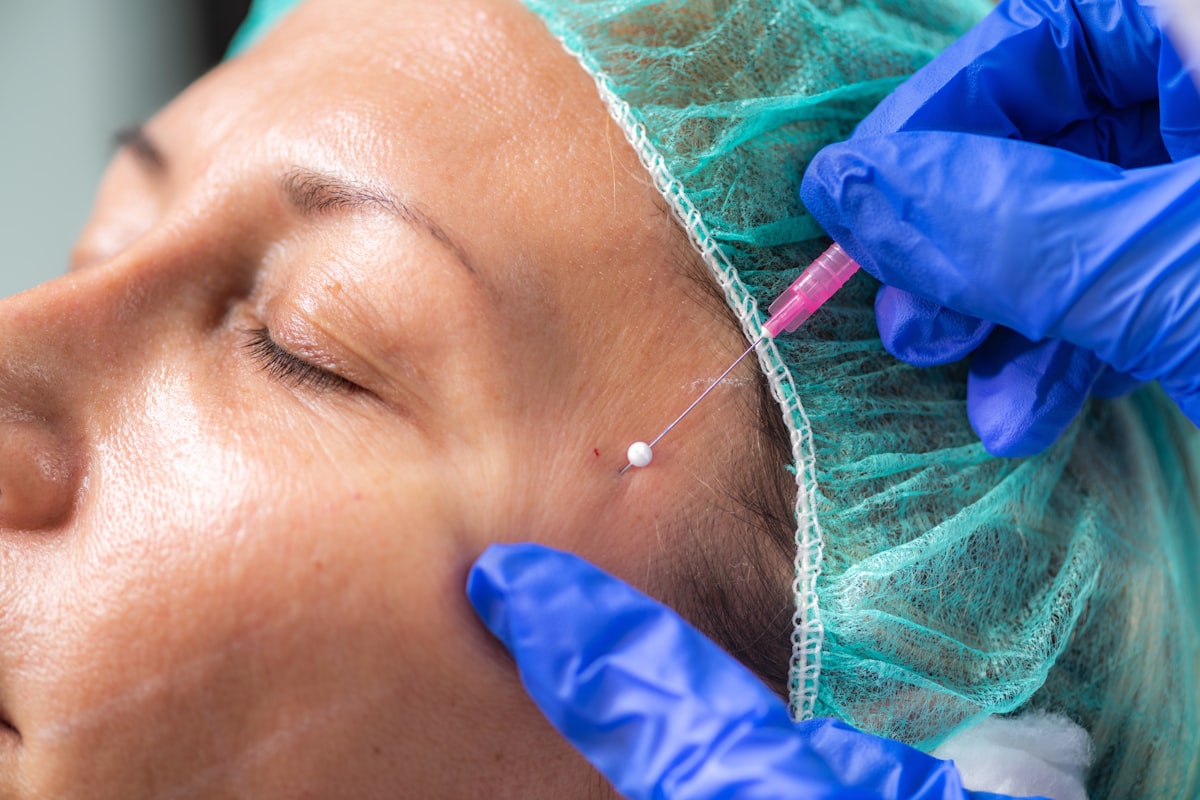
Dermal Fillers
Hyaluronic acid fillers restore lost volume and soften deeper facial lines.
Learn More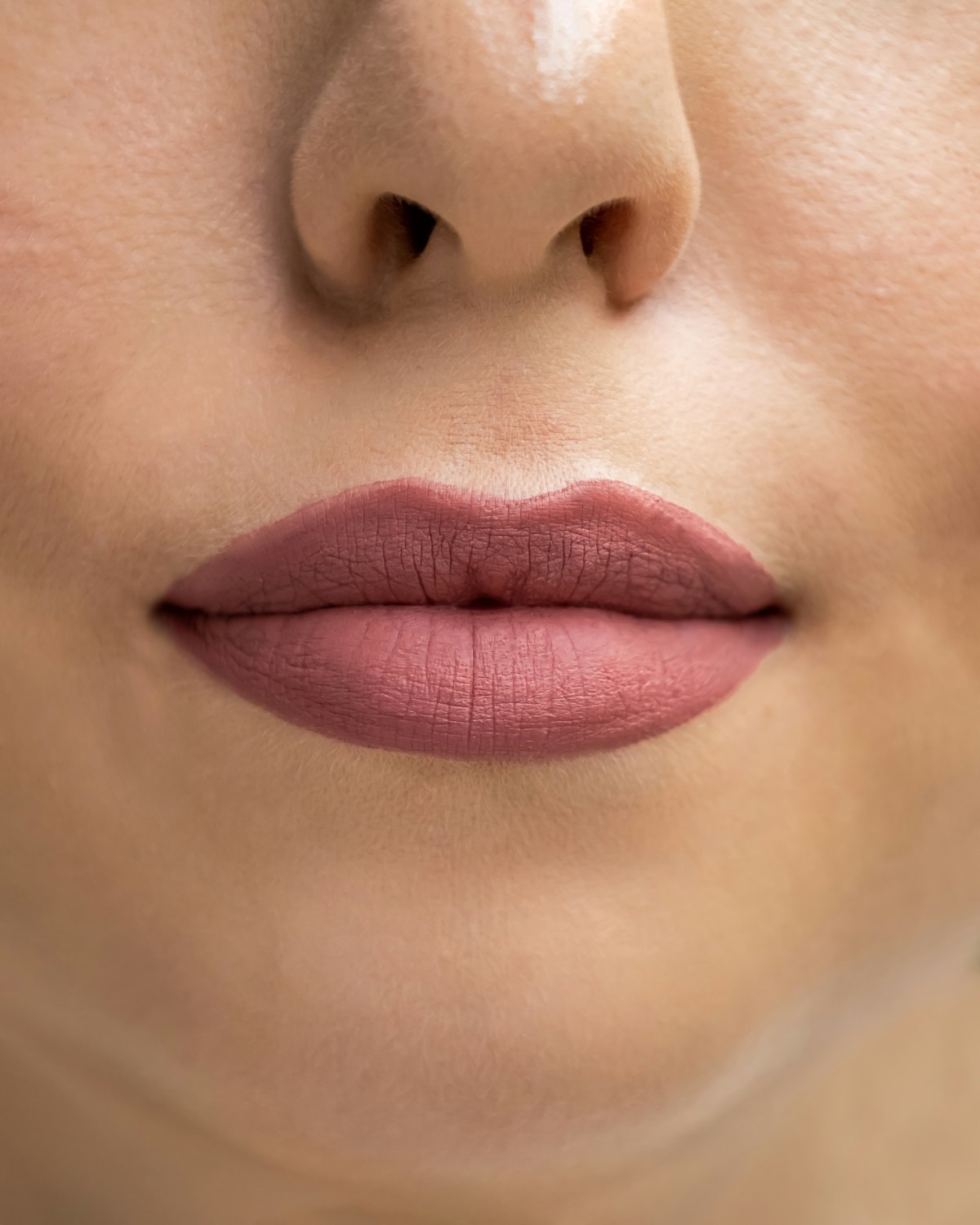
Lip Fillers
Hyaluronic acid lip fillers to add volume, improve symmetry and sharpen the lip border — from a subtle enhancement to a more defined shape.
Learn MoreReady to Begin Your Transformation?
Book a free consultation with our specialist team at Enfield Royal Clinic Khalifa City.