

Scar Removal in Abu Dhabi 2026-2027: Personalized Treatment Options at Enfield Royal Clinic
Scar Removal in Abu Dhabi 2026–2027: Personalised Treatment Options at Enfield Royal Clinic, Khalifa City
📊 Key Facts
- Scar removal is a personalized process, not a single universal procedure for all patients.
- Enfield Royal Clinic assesses scar type, age, depth, location, and skin characteristics individually.
- Atrophic scars are depressed, pitted scars commonly associated with acne and other conditions.
- Treatment planning depends on patient's specific scar type, skin tone, and treatment history.
- Clinic located in Khalifa City, Abu Dhabi, offers dermatology and aesthetic practitioner services.
Scars are deeply personal. They carry histories — of surgeries, accidents, skin conditions, or burns — and for many people in Abu Dhabi and Al Ain, they also carry a quiet but persistent desire for change. If you are exploring scar removal in Abu Dhabi, the most important thing you should know before choosing any clinic or treatment is this: scar improvement is a process, not a single procedure, and the right approach depends entirely on the nature of your scar.
At Enfield Royal Clinic in Khalifa City, our dermatology and aesthetic practitioners take a consultation-first philosophy. Rather than recommending a universal treatment, we assess each scar individually — its type, age, depth, location, and your skin's unique characteristics — before designing a personalised care plan. This guide walks you through everything you need to know.
Understanding Scar Types: Why Classification Matters
Not all scars are biologically the same, and treating them as if they were is one of the most common reasons patients experience disappointing outcomes elsewhere. At Enfield Royal Clinic, our assessment begins with identifying the precise type of scar you present with.
Atrophic Scars
These are depressed, pitted scars that sit below the surrounding skin surface. They are most commonly associated with acne (including icepick, boxcar, and rolling subtypes) and chickenpox. Because the skin has lost volume and structural support, treatment focuses on stimulating collagen and rebuilding tissue architecture.
Hypertrophic Scars
These raised, firm scars remain within the boundary of the original wound. They often follow surgical incisions or traumatic injuries and may fade with time — but many persist without intervention. Treatment options focus on flattening and softening the raised tissue.
Keloid Scars
Keloids extend beyond the original wound boundary and can continue to grow over time. They are more prevalent in individuals with deeper skin tones — a clinically significant consideration for Abu Dhabi's diverse patient population, which includes many South Asian, East African, and Middle Eastern skin types. Keloid management requires a carefully coordinated approach and realistic expectation-setting, as complete resolution is not always achievable.
Contracture Scars
Typically resulting from burns, contracture scars tighten the skin, sometimes affecting underlying muscles and nerves. These require a multidisciplinary evaluation and may involve surgical or combination-based intervention.
Post-Inflammatory Hyperpigmentation (PIH) and Hypopigmentation
Though not technically scars in the structural sense, discolouration following skin trauma — dark spots or pale patches where a wound healed — is a frequent concern among our Abu Dhabi patients. These may be addressed with targeted treatments following a thorough skin assessment.

How Scar Characteristics Determine Your Treatment Plan
During your initial consultation at our Khalifa City clinic, your practitioner will evaluate several factors that directly guide treatment selection:
- Scar maturity: Fresh scars (under three months old) are often still remodelling and may benefit from early preventive management. Most active treatment protocols are best initiated once a scar has matured — typically between three and twelve months post-injury — when the tissue has stabilised.
- Scar depth and texture: Surface irregularities respond differently to laser resurfacing than deep structural deficits that may benefit from filler augmentation or surgical revision.
- Skin tone (Fitzpatrick scale): Darker skin tones carry a higher risk of post-treatment pigmentation changes. This is not a barrier to treatment — it is a critical variable that shapes our choice of technology, energy settings, and aftercare protocol.
- Scar location: Scars on the face, chest, or over joint areas have specific treatment considerations based on healing dynamics and visibility.
- Previous treatments: A patient who has undergone prior laser sessions or steroid injections requires a reassessment of tissue response before proceeding.
This diagnostic rigour is what separates a credentialed aesthetic clinic from a generalised beauty centre. If you have never had a structured scar assessment, our complimentary consultation process is the ideal starting point.
Available Treatment Modalities at Enfield Royal Clinic
Our clinic offers a range of evidence-based treatment approaches. The goal in every case is meaningful, visible improvement in the appearance of your scar — not a guarantee of complete removal, which is rarely achievable and would be misleading to promise.
Laser Resurfacing
Laser therapy is among the most widely studied approaches to scar management. We utilise both fractional and ablative technologies depending on scar type:
- Fractional non-ablative lasers (such as Nd:YAG or fractional 1540 nm) create microscopic columns of thermal injury in the skin, stimulating collagen remodelling while leaving surrounding tissue intact. These are frequently recommended for atrophic acne scars and mild to moderate hypertrophic scars, particularly in patients with deeper skin tones where downtime and pigmentation risk must be carefully managed.
- Fractional ablative lasers (such as CO2 or Erbium:YAG) deliver more intensive resurfacing for deeper atrophic scars with significant textural irregularity. These carry a longer recovery period and require thorough pre-treatment skin preparation.
For patients with darker skin tones concerned about pigmentation, hyperpigmented or discoloured scar tissue may be addressed with laser therapy — but only following a detailed skin assessment that determines the appropriate wavelength, fluence, and treatment interval.
Microneedling and Radiofrequency Microneedling
Collagen induction therapy via microneedling — particularly when combined with radiofrequency energy (RF microneedling) — has demonstrated meaningful results in improving the texture and depth of atrophic scars across a range of skin types. This approach is well-tolerated and carries a relatively lower risk of post-inflammatory pigmentation compared to ablative laser options, making it a commonly recommended choice within our Abu Dhabi patient cohort.
Dermabrasion and Microdermabrasion
Mechanical resurfacing techniques remove the outer layers of skin to improve surface texture. Dermabrasion is a clinical procedure suited to certain types of raised or irregular scarring, while microdermabrasion is a milder option for superficial discolouration and very mild textural concern.
Surgical Scar Revision
For scars that are significantly distorting tissue, restricting movement (contractures), or are anatomically complex, surgical revision may be recommended. Techniques include simple excision and re-closure, Z-plasty, W-plasty, or skin grafting, depending on the specific anatomy involved. Surgical revision is not about removing a scar entirely — it is about repositioning or improving it so that it heals in a less conspicuous manner.
Combination Approaches
For many of our patients, particularly those presenting with complex, longstanding, or multi-subtype scars, a combination protocol delivers the most meaningful improvement. For example, a patient with deep boxcar acne scars may benefit from an initial series of fractional laser treatments followed by RF microneedling sessions, with possible use of dermal filler to address residual volume loss. Keloid patients may require intralesional corticosteroid injections coordinated with laser therapy and pressure therapy.
Combination planning is a hallmark of expert scar management and is offered as standard within our Khalifa City practice.
What to Expect: Consultation, Timeline, and Sessions
At your first appointment, your practitioner will conduct a comprehensive clinical assessment, review your medical history, examine the scar under appropriate lighting, and discuss your goals. Photographs may be taken with your consent to track progress over time. You will receive a clear explanation of which treatment options are suitable, the expected number of sessions, the interval between sessions, and a realistic picture of what improvement may look like for your specific scar.
Treatment sessions vary depending on modality. Laser and microneedling protocols typically require between three and six sessions, spaced four to eight weeks apart, to allow adequate healing and collagen maturation between visits. Surgical interventions are generally single-session procedures followed by a structured aftercare period.
When will you see results? This is one of the most important questions to address honestly. Visible improvement generally begins to emerge after the second or third treatment session, with continued remodelling continuing for three to six months after the final session. Full assessment of outcomes is typically possible at the six-to-twelve-month mark post-treatment completion.
Pre- and Post-Treatment Care Requirements
Proper preparation significantly influences treatment outcomes and reduces the risk of complications:
Before treatment:
- Avoid sun exposure and apply broad-spectrum SPF 50 daily for at least four weeks prior
- Discontinue retinoids, exfoliating acids, and certain supplements as advised
- Patients with darker skin tones may be prescribed a topical brightening agent (such as hydroquinone or azelaic acid) to reduce PIH risk prior to laser treatment
- Disclose all medications, particularly anticoagulants and immunosuppressants
After treatment:
- Sun avoidance and consistent SPF use are non-negotiable during the healing period
- Prescribed post-procedure topicals (healing serums, barrier creams) should be applied strictly as directed
- Physical activity and environments that induce excessive sweating should be limited in the initial recovery window
- Follow-up appointments are essential — they allow your practitioner to monitor healing, adjust subsequent treatment parameters, and address any emerging concerns early
Potential Side Effects and How They Are Managed
All aesthetic treatments carry a degree of risk, and transparent communication about this is a cornerstone of our clinical practice. Common side effects associated with scar removal procedures include:
- Temporary redness, swelling, and sensitivity following laser or microneedling sessions (typically resolving within three to seven days)
- Post-inflammatory hyperpigmentation (PIH), particularly in Fitzpatrick skin types IV–VI; this is managed through pre-treatment preparation, appropriate technology selection, and post-treatment care
- Prolonged erythema following ablative procedures
- Infection risk (minimised through sterile technique and appropriate aftercare)
- Paradoxical darkening or lightening in rare cases, particularly where protocols are not tailored to skin type
Our practitioners will discuss your individual risk profile before any procedure begins and ensure you have full information to provide informed consent.
Understanding Cost and Treatment Planning in Abu Dhabi
The cost of scar removal in Abu Dhabi varies considerably based on the treatment modality selected, the number of sessions required, the size and complexity of the scar, and the experience level of the practitioner. At Enfield Royal Clinic, pricing is discussed transparently during your consultation, once an individualised plan has been developed. We do not publish flat-rate pricing for scar treatments because a quote without a clinical assessment is not meaningful — and potentially misleading.
Payment planning options are available; please enquire directly with our team at the time of consultation. We also recommend clarifying your insurance coverage prior to your appointment, as cosmetic versus medically indicated procedures are categorised differently under UAE health insurance frameworks.
Scar Removal at Enfield Royal Clinic: Our Practitioners and Standards
Enfield Royal Clinic in Khalifa City is staffed by board-certified dermatologists and aesthetic physicians with extensive experience managing the full spectrum of scar presentations — including complex cases involving darker skin tones, post-surgical scarring, and keloid-prone individuals. Our team maintains active engagement with international cosmetic dermatology standards and is experienced in the UAE regulatory environment for aesthetic procedures.
We invest in advanced laser and RF technologies specifically validated for use across diverse skin types, recognising that Abu Dhabi's patient community deserves equipment and expertise that reflects their demographic reality — not protocols designed exclusively for lighter skin tones.
To learn more about how our clinic approaches other skin and aesthetic concerns, explore our guides on glutathione injection treatments in Abu Dhabi and facial rejuvenation options including thread lifts and facelifts.
Common Myths About Scar Removal
Myth: Scars can be completely removed. Most scars can be significantly improved in appearance and texture, but complete removal is rarely achievable. Honest expectation-setting is fundamental to a satisfying outcome.
Myth: One treatment session is enough. Meaningful improvement almost always requires multiple sessions spaced appropriately to allow tissue response and healing.
Myth: Newer scars are always easier to treat. Immature scars are still actively remodelling and are not always candidates for active treatment. Timing is a clinical decision, not a general rule.
Myth: Home remedies can replace clinical treatment. Over-the-counter silicone sheets and vitamin E products may assist in early scar management but are not substitutes for professional assessment when dealing with established, significant scarring.
Take the First Step: Book Your Scar Assessment in Khalifa City
If you are ready to understand what is genuinely possible for your scar — with honesty, clinical expertise, and a personalised plan — Enfield Royal Clinic in Khalifa City, Abu Dhabi, is here to guide you through it.
Begin with a complimentary consultation at our Abu Dhabi clinic and take the first step toward meaningful, lasting improvement in the appearance of your scar.
Enfield Royal Clinic — Khalifa City, Abu Dhabi. Serving patients across Abu Dhabi and Al Ain with premium, personalised aesthetic care.
Treatments Mentioned in This Article
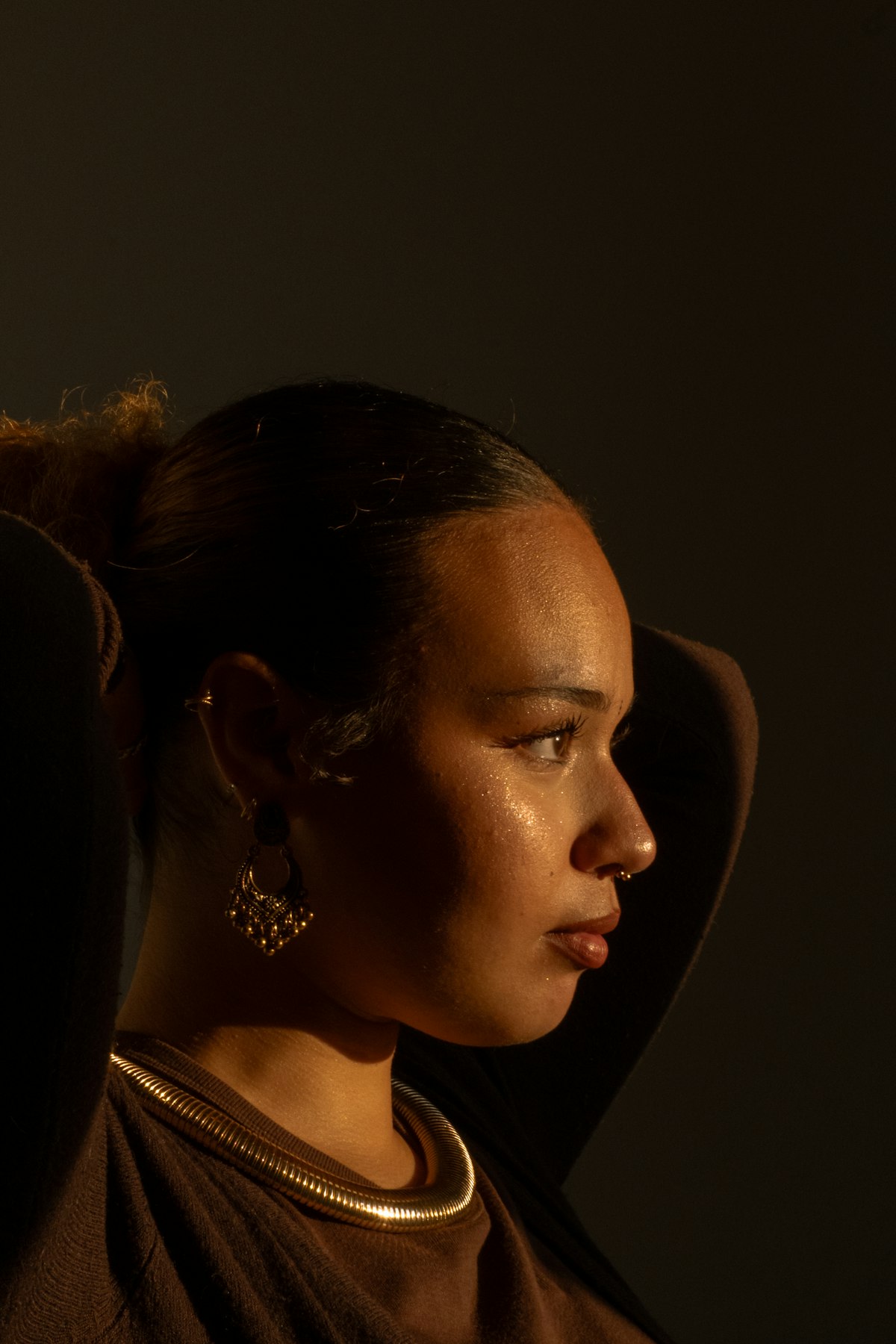
Facelift
Restore a firmer, more youthful facial contour by repositioning underlying tissue.
Learn More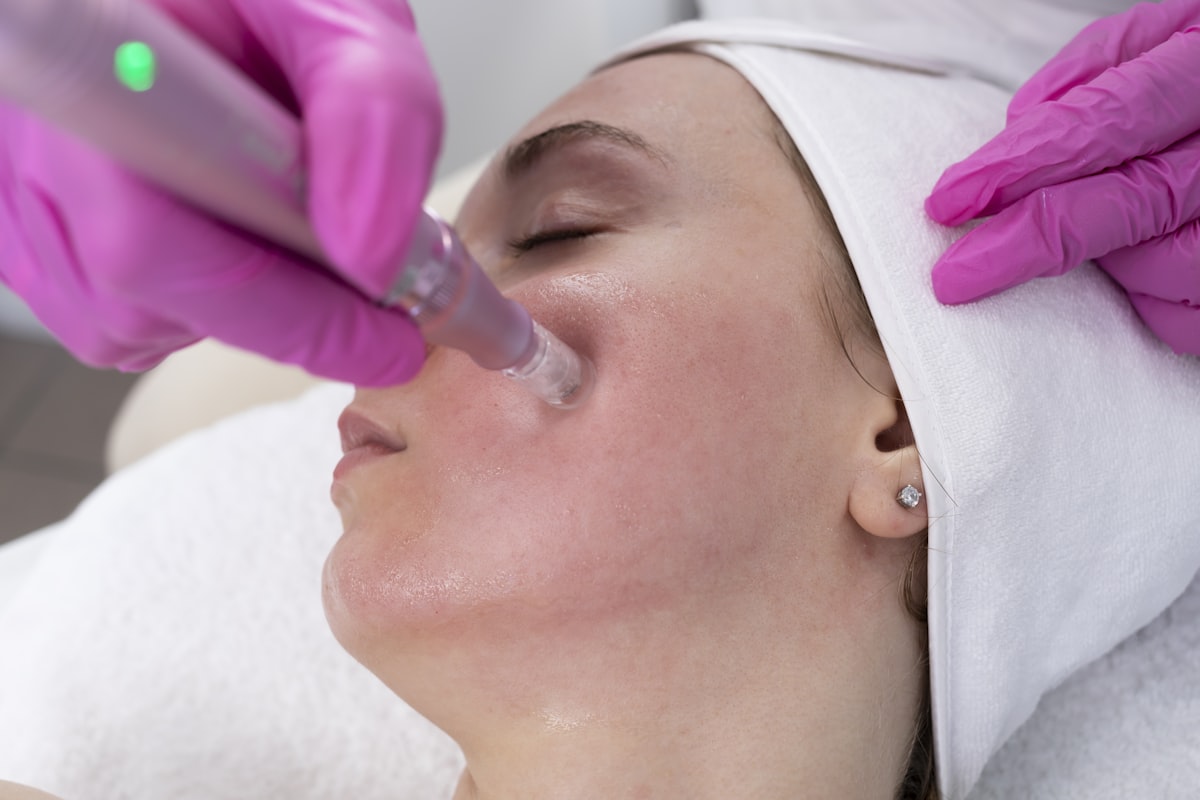
Microneedling
Medical-grade collagen induction therapy for acne scarring, enlarged pores, fine lines and overall skin texture improvement.
Learn More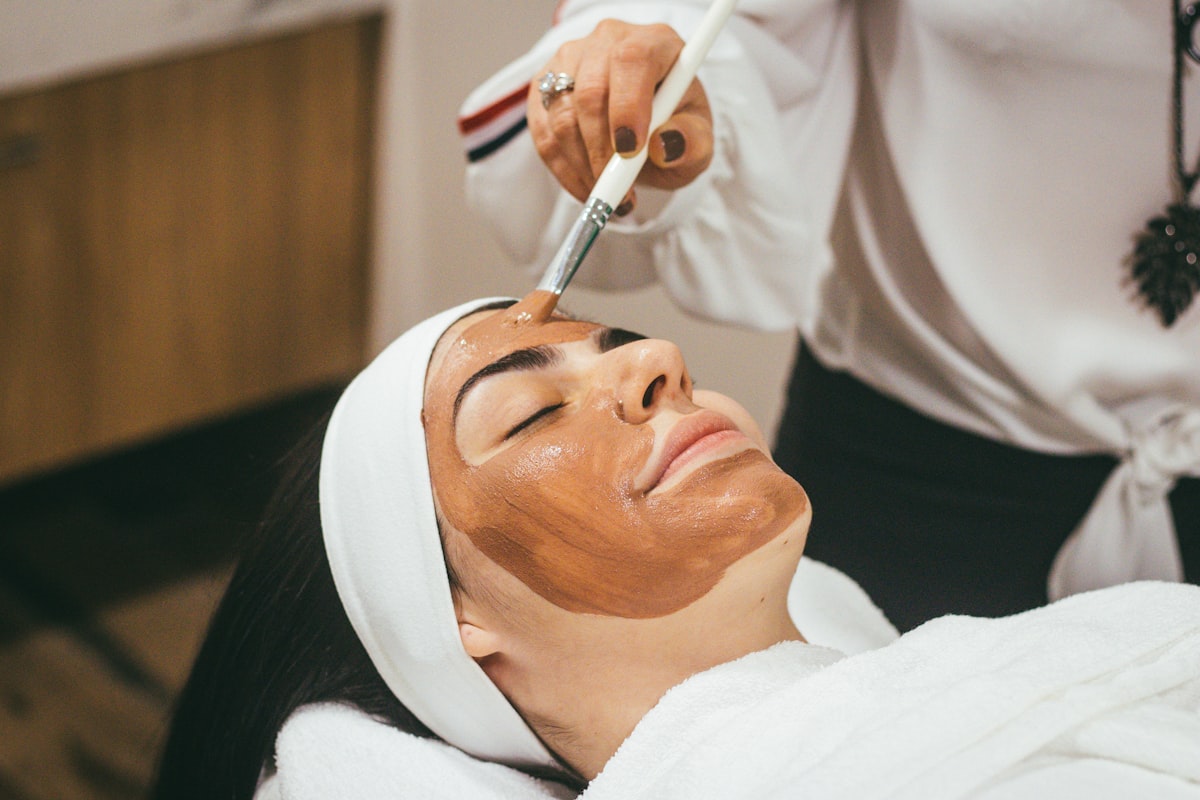
Thread Lift
Minimally invasive facial rejuvenation using absorbable threads to lift and tighten sagging skin.
Learn MoreReady to Begin Your Transformation?
Book a free consultation with our specialist team at Enfield Royal Clinic Khalifa City.