
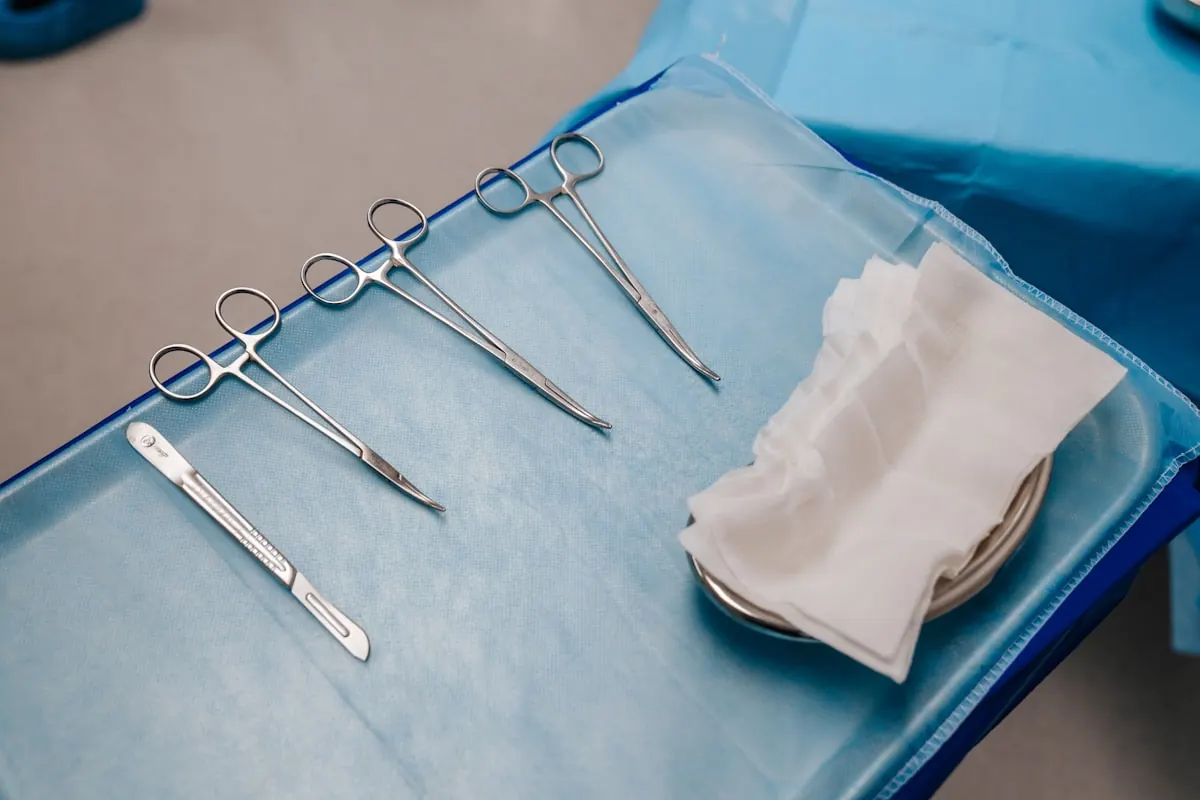
Tummy Tuck in Abu Dhabi 2026–2027 | Enfield Royal Clinic, Khalifa City
Tummy Tuck in Abu Dhabi 2026–2027 | Personalised Abdominoplasty at Enfield Royal Clinic, Khalifa City
📊 Key Facts
- Tummy tuck removes excess skin, weakened muscles, and stubborn fat unresponsive to diet/exercise
- Enfield Royal Clinic in Khalifa City personalizes procedures based on individual anatomy and goals
- Abdominoplasty repairs separated abdominal muscles, a condition called diastasis recti
- Non-surgical alternatives like radiofrequency work for mild to moderate skin laxity only
- Guide covers candidacy, surgical process, recovery expectations, costs, and clinic credentials
If you have been living with loose abdominal skin, a protruding lower belly, or separated stomach muscles that no exercise programme has been able to address, abdominoplasty—commonly called a tummy tuck—may be an appropriate surgical option worth exploring. At Enfield Royal Clinic in Khalifa City, Abu Dhabi, we approach every consultation as the beginning of an individual conversation, not a sales process. This guide is written to give you the honest, substantive information that most clinic websites skip over.
What Is a Tummy Tuck, and How Does It Differ from Non-Surgical Alternatives?
Abdominoplasty is a surgical procedure that removes excess skin and fatty tissue from the abdominal area and, where needed, repairs the rectus abdominis muscles that have separated—a condition known as diastasis recti. It addresses structural changes in the abdominal wall that non-surgical treatments simply cannot reach.
Non-surgical alternatives such as radiofrequency skin tightening, HIFU, or cryolipolysis can produce meaningful improvements in skin laxity and localised fat when the degree of change required is mild to moderate. For a detailed look at those options, see our Skin Tightening Treatment Abu Dhabi 2026–2027 guide. However, when there is significant skin redundancy—after major weight loss, multiple pregnancies, or natural ageing—non-surgical devices cannot achieve the degree of contour improvement that surgery can. Understanding which category you fall into is exactly what a candidacy assessment is designed to determine.

Am I a Good Candidate? How Is Candidacy Determined?
Candidacy is never a simple checklist. At Enfield Royal Clinic, our lead surgeon conducts a thorough pre-operative assessment that includes:
- Medical history review: Existing conditions such as diabetes, cardiovascular disease, or clotting disorders require careful evaluation and, in some cases, specialist clearance before surgery is approved.
- BMI and body composition analysis: We use the InBody Test to assess lean mass, visceral fat, and total body water—giving a clinically accurate picture beyond surface-level observation. Patients with a high proportion of intra-abdominal (visceral) fat are typically counselled to achieve further weight loss before surgery, because abdominoplasty addresses subcutaneous tissue only.
- Smoking status: Nicotine significantly impairs wound healing and elevates the risk of skin necrosis and deep vein thrombosis. Patients are required to stop smoking—not reduce—for a minimum period determined by the surgeon, typically at least six weeks before and after the procedure.
- Pregnancy plans: Patients who plan future pregnancies are strongly advised to wait, as a subsequent pregnancy can undo muscular repair and stretch skin that has been surgically tightened.
- Psychological readiness: We discuss body image expectations explicitly. Abdominoplasty may help improve the appearance of the abdominal area; it is not a remedy for broader dissatisfaction with one's body, and our team takes the time to establish that distinction honestly.
Patients from across Abu Dhabi and Al Ain are welcome to arrange an in-person consultation at our Khalifa City clinic, which offers accessible parking and a private, discreet environment.
Understanding the Procedure: Technique, Anaesthesia, and Duration
Types of Abdominoplasty
Not every tummy tuck is the same, and the right variation depends entirely on your anatomy:
- Mini abdominoplasty: Addresses skin laxity below the navel only; shorter incision, faster recovery, appropriate for patients with limited excess tissue.
- Full abdominoplasty: The most common variant; removes skin from the lower abdomen, repositions the navel, and allows for complete rectus muscle repair.
- Extended abdominoplasty: Extends to the flanks; suitable for patients with excess skin wrapping around to the lower back, often following significant weight loss.
- Fleur-de-lis abdominoplasty: Adds a vertical midline incision; indicated when there is both horizontal and vertical skin excess, as is common after massive weight loss or bariatric surgery.
Combining abdominoplasty with liposuction is a frequent and surgically sound combination—liposuction can refine the flanks and waist that abdominoplasty alone does not address. This is discussed and planned at consultation stage.
What Happens During Surgery
The procedure is performed under general anaesthesia administered and monitored by a qualified anaesthetist. Duration typically ranges from two to four hours, depending on the technique and whether combination procedures are performed. The incision is placed low on the abdomen, designed to be concealed within standard underwear or swimwear. Drains are placed to prevent fluid accumulation and are typically removed within one to two weeks post-operatively.
Recovery: What Actually Happens, Week by Week
This is the section most clinic websites handle superficially. Here is a realistic picture:
Days 1–3: You will experience significant soreness, tightness, and swelling. Most patients describe the discomfort as more intense than anticipated—this is a major surgical procedure. You will be in a bent posture initially to reduce tension on the incision. Pain is managed with prescribed medication. Someone must be with you at home.
Days 4–14: Swelling and bruising are at their most visible. Drains remain in place during this period. Light walking is encouraged to reduce clot risk, but bending, lifting, and driving are prohibited. Most patients are not comfortable working from home until at least day ten.
Weeks 2–6: Gradual return to light desk-based work is possible for many patients around weeks two to three, though this varies. A compression garment must be worn continuously. Swelling continues—do not judge final results during this phase.
Weeks 6–12: Return to moderate exercise is typically cleared at the six-week post-operative review. Core strengthening exercises are introduced gradually and only with surgeon approval.
Months 3–6: Swelling continues to resolve. Incision scars begin to mature and fade. Final aesthetic outcomes become clearer. Scar maturation continues for up to 12–18 months.
Patients travelling from outside Abu Dhabi or expatriates without close family support should plan for a longer in-city recovery period. We discuss post-operative support options, including nursing care availability, at consultation.
Risks, Complications, and How They Are Managed
Abdominoplasty is a major surgical procedure, and no ethical clinic claims a zero-complication rate. Known risks include:
- Seroma: Fluid accumulation under the skin—the most common complication, managed with aspiration in clinic.
- Haematoma: Blood pooling requiring drainage; risk is reduced by careful surgical technique and drain placement.
- Wound healing issues: Delayed healing, particularly at the incision corners; more common in smokers, diabetic patients, or those with compromised circulation.
- Deep vein thrombosis (DVT) and pulmonary embolism: Rare but serious; mitigated through compression stockings, early mobilisation, and pharmacological prophylaxis where indicated.
- Nerve sensitivity changes: Temporary numbness or hypersensitivity in the lower abdominal area; most resolve over months, though some changes may persist.
- Scarring: All patients will have a scar. Its visibility and texture depend on genetics, skin type, and adherence to post-operative scar care. We provide a detailed scar management protocol.
- Anaesthesia risks: Discussed in full at your pre-operative assessment by our anaesthetic team.
Our post-operative care protocol includes defined follow-up appointments, written guidance on symptoms that require urgent contact, and a direct line for post-operative concerns. Knowing when something is normal discomfort versus a warning sign is part of the patient education we provide before you leave the clinic after surgery.
Cost and Payment Options in Abu Dhabi
Abdominoplasty pricing in Abu Dhabi is not one-size-fits-all. The final cost reflects surgical complexity, operative duration, anaesthetist fees, facility costs, compression garments, and follow-up appointments. For a full breakdown of pricing factors specific to Khalifa City, read our dedicated Tummy Tuck Cost in Khalifa City Abu Dhabi 2026–2027 guide.
Most health insurance policies in the UAE do not cover elective cosmetic surgery, though functional procedures such as diastasis recti repair following pregnancy may be partially covered depending on your policy. We recommend verifying your policy terms before consultation.
Enfield Royal Clinic offers structured payment plan options for eligible patients. For a broader overview of financing cosmetic procedures in Abu Dhabi, our Cosmetic Clinic Abu Dhabi Payment Plan Guide 2026–2027 explains how installment arrangements typically work in the UAE context.
Will Results Last? Long-Term Expectations and Lifestyle Factors
Abdominoplasty produces structural changes—excess skin is removed and muscle repair is performed. These changes are durable. However, it is important to understand what can affect outcomes over time:
- Weight gain: Gaining significant weight after surgery can stretch the skin and abdominal wall again. Maintaining a stable body weight is the single most important factor in preserving your result.
- Subsequent pregnancy: As noted in candidacy criteria, pregnancy can reverse both the skin improvement and the muscular repair.
- Ageing: Natural tissue ageing continues, and skin will gradually change in quality over years—this is true of all tissues, operated on or not.
- Lifestyle habits: Smoking, poor nutrition, and inactivity all affect skin quality and healing over the long term.
We counsel every patient on these factors explicitly, so that expectations are grounded in physiology rather than marketing.
Why Patients Choose Enfield Royal Clinic for Abdominoplasty
Patients researching tummy tuck in Abu Dhabi have several clinic options. Here is what distinguishes our approach at Khalifa City:
- Surgeon credentials: Our lead plastic surgeon holds recognised board certifications in plastic and reconstructive surgery with specific training and years of dedicated experience in body contouring procedures including abdominoplasty.
- Regulatory compliance: Enfield Royal Clinic operates in full compliance with the Abu Dhabi Department of Health (DoH) regulatory framework. Informed consent is a thorough, unhurried process—not a formality.
- Personalised surgical planning: We do not operate from a single protocol. Surgical technique, incision design, and combination procedures are determined by your anatomy and goals.
- Transparent consultations: Pricing, risks, recovery timelines, and realistic outcomes are communicated clearly—before you commit to anything.
- Post-operative support: Defined follow-up milestones, written post-operative instructions, and direct access to care if concerns arise after discharge.
- Location: Our Khalifa City clinic is accessible from central Abu Dhabi and Al Ain, with private parking and discreet facilities designed around patient comfort.
We also offer complementary procedures for patients considering broader aesthetic goals, including rhinoplasty, gynecomastia surgery, and liposuction—all of which can be discussed at your initial consultation if relevant to your overall goals.
Take the Next Step
If you are considering a tummy tuck in Abu Dhabi and want a consultation that prioritises your questions, your anatomy, and your honest options—rather than a pressure-driven sales experience—we invite you to contact Enfield Royal Clinic in Khalifa City.
Book your confidential consultation today and receive a personalised assessment from our surgical team.
Treatments Mentioned in This Article
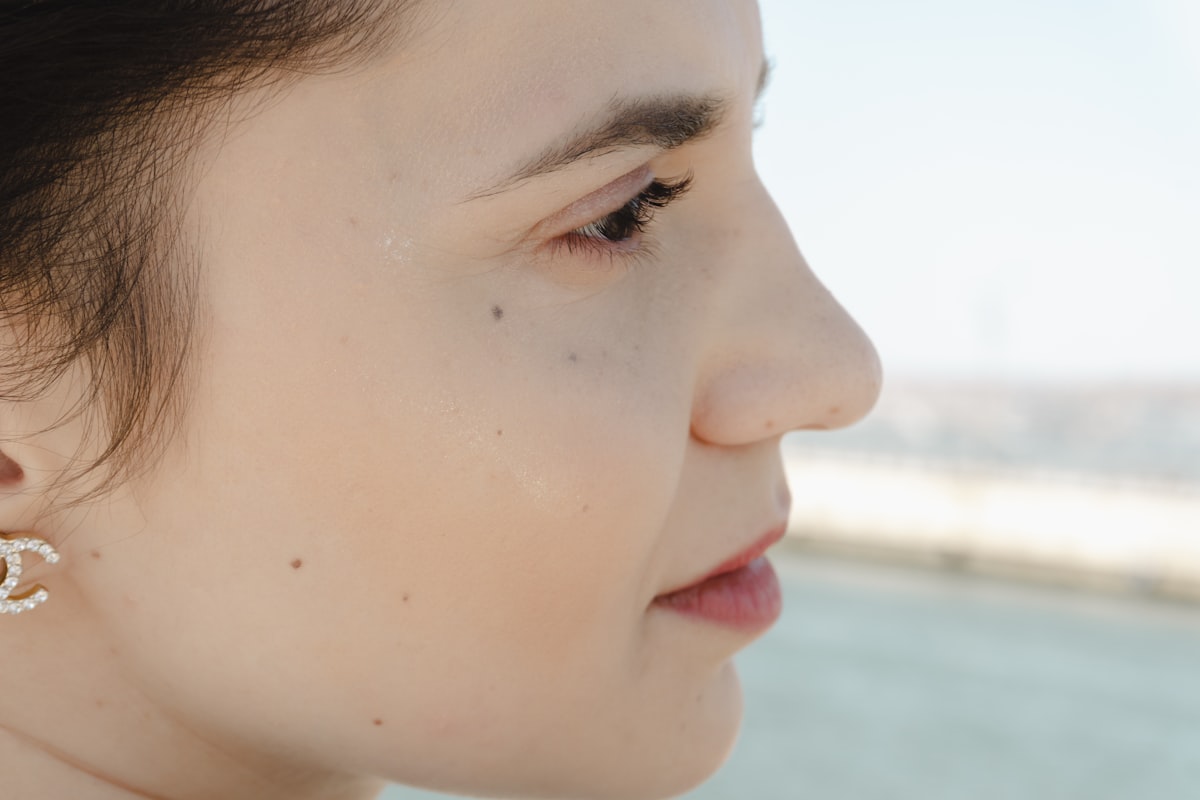
Rhinoplasty
Refine the shape, size or profile of your nose while preserving natural breathing function.
Learn More
Liposuction
Remove stubborn, diet-resistant fat deposits to sculpt a more defined body contour.
Learn More
Tummy Tuck
Remove excess skin and tighten weakened abdominal muscles for a smoother midsection.
Learn MoreReady to Begin Your Transformation?
Book a free consultation with our specialist team at Enfield Royal Clinic Khalifa City.