
Underarm Whitening Laser Treatment in Khalifa City 2026–2027
Underarm Whitening Laser Treatment in Khalifa City, Abu Dhabi: A Realistic Patient Guide (2026–2027)
📊 Key Facts
- Dark underarms are a common aesthetic concern in UAE, particularly relevant in warm climate
- Underarm skin darkens due to friction, shaving, waxing, and antiperspirant chemical exposure
- Post-inflammatory hyperpigmentation results from repeated irritation triggering excess melanin production
- Enfield Royal Clinic provides thorough assessments and tailored treatment plans with realistic expectations
- Laser treatment is established in aesthetic medicine but often surrounded by exaggerated marketing claims
Dark underarms are among the most frequently raised aesthetic concerns at our Khalifa City clinic. Whether the discolouration is mild or more pronounced, many people feel self-conscious wearing sleeveless clothing or attending the beach—a particularly relevant concern in Abu Dhabi's warm climate. Underarm whitening laser treatment has become a well-established option in aesthetic medicine, but the conversation around it is often clouded by exaggerated marketing claims and unrealistic promises.
This guide takes a transparent, evidence-informed approach. We explain how the treatment works, what you can realistically expect, who it suits, and when other options might serve you better.
Why Do Underarms Darken? Understanding the Cause
Before choosing any treatment, understanding why underarm hyperpigmentation develops helps you set realistic goals and make an informed decision.
The skin of the axilla (underarm area) is structurally different from the skin on your arms or chest. It sits in a fold, experiences friction, is frequently shaved, and is exposed to antiperspirant chemicals—all of which can disrupt normal melanin regulation.
Common causes of underarm darkening include:
- Post-inflammatory hyperpigmentation (PIH): Repeated irritation from shaving, waxing, or tight clothing triggers melanin overproduction as a protective response.
- Acanthosis nigricans: A skin condition linked to insulin resistance, hormonal shifts, or certain medications, presenting as velvety, darkened patches.
- Friction and occlusion: The natural folding of skin causes chronic low-level inflammation.
- Deodorant and antiperspirant irritants: Certain ingredients can sensitise the skin over time.
- Sun exposure: Less common in the underarm area but relevant after hair removal sessions that temporarily thin the skin barrier.
- Hormonal changes: Pregnancy, contraception, and thyroid imbalances can influence melanin production.
Identifying the underlying cause is essential—it directly affects which treatment will be most appropriate and what level of improvement is realistic for your skin.

How Does Underarm Whitening Laser Treatment Work?
Laser treatment for underarm hyperpigmentation is based on a principle called selective photothermolysis. In simple terms, specific wavelengths of laser light are absorbed preferentially by melanin (the pigment responsible for dark colouration) in the skin. The laser energy is converted to heat, which disrupts the melanin-producing cells (melanocytes) or breaks down existing pigment deposits, allowing the body's natural processes to gradually clear the discolouration.
The key word here is selectively. FDA-cleared laser devices used in reputable aesthetic clinics are calibrated to target pigment while minimising energy transfer to surrounding tissue. This precision is what distinguishes laser treatment from more generalised approaches.
Laser types commonly used for pigmentation:
- Q-switched Nd:YAG lasers are frequently used for darker skin tones because they target melanin with a wavelength that reduces the risk of post-treatment pigmentation changes in Fitzpatrick skin types IV–VI—skin tones that are common across the UAE's diverse population.
- Intense Pulsed Light (IPL) is not technically a laser (it uses a broad spectrum of light) and is generally better suited to lighter skin tones. It may be less appropriate for the melanin-rich skin typical of many patients in this region.
- Fractional lasers may be considered when textural changes accompany pigmentation.
At your consultation, our specialists assess your Fitzpatrick skin type and select the device and settings most appropriate for your individual presentation. This is not a one-setting-fits-all procedure.
Realistic Expectations: What Does 'Improvement' Actually Mean?
One of the most important conversations to have before starting treatment is around what success looks like. Laser treatment can produce meaningful improvements in underarm skin tone for many patients—but it is important to understand:
- Results vary between individuals. Skin tone, cause of hyperpigmentation, depth of pigment, lifestyle habits, and the number of sessions all influence outcomes.
- Improvement does not always mean complete elimination. Many patients see a noticeable lightening of the treated area; others achieve more subtle changes. Neither result is a failure—it reflects the biology of your skin.
- Results are not permanent. Laser treatment addresses existing pigmentation, but it does not reprogram your melanocytes indefinitely. Without maintenance and appropriate aftercare, underarm darkening can recur—particularly if the original triggers (friction, shaving, certain deodorants) continue.
- Deeper pigmentation typically requires more sessions and may show more gradual change.
This transparency is deliberate. We believe that patients who start with accurate expectations make better decisions—and are more satisfied with outcomes that genuinely represent progress for their individual skin.
For a broader perspective on what skin brightening treatments can realistically achieve, our Skin Whitening Clinic Khalifa City: Your 2026 Guide to Radiant Skin at Enfield Royal Clinic provides additional context on the range of options available.
The Consultation and Skin Assessment Process
At Enfield Royal Clinic, every underarm laser treatment journey begins with a detailed consultation. This is not a formality—it is clinically essential.
During your consultation, our specialist will:
- Review your medical history, including medications and any conditions such as diabetes or thyroid dysfunction that may be contributing to pigmentation.
- Assess your Fitzpatrick skin type to determine the safest and most effective laser parameters.
- Examine the nature of the hyperpigmentation (superficial vs. deep; diffuse vs. focal).
- Discuss your previous treatments and responses.
- Explain realistic outcomes for your specific case.
- Outline the full treatment plan, number of recommended sessions, and interval between sessions.
- Address contraindications—there are cases where laser treatment is not advisable, and an honest consultation will identify these clearly.
This level of assessment reflects the dermatological consultation standards we maintain across all procedures at our clinic.
Treatment Procedure, Sessions, and Recovery
What happens during a session?
The underarm area is cleansed, and a cooling gel or integrated cooling system is typically applied to protect the skin surface and improve comfort. The laser handpiece is applied to the skin in a systematic pattern. Most patients describe a sensation similar to a small elastic band snap against the skin. Sessions for the underarm area are relatively brief, often taking 15–30 minutes per session.
How many sessions are needed?
This depends on the depth and cause of hyperpigmentation. A typical course for underarm pigmentation ranges from 4 to 8 sessions, spaced approximately 4 to 6 weeks apart to allow the skin to heal and for natural pigment clearance to occur between sessions. Some patients with more superficial pigmentation may see meaningful change earlier; those with deeper or more complex hyperpigmentation may need more sessions.
What is recovery like?
The underarm area is not a sensitive region in the same way facial skin is, but some temporary responses are normal:
- Mild redness and warmth immediately after treatment
- Slight swelling or tenderness for 24–48 hours
- Temporary darkening of pigmented areas before they begin to fade (this is a normal part of the process)
- Skin sensitivity that makes deodorant application temporarily uncomfortable
Most patients can return to routine daily activities the same day, though some modifications to underarm care are needed in the days following treatment.
Potential Side Effects and Contraindications
Laser treatment carries real, if generally manageable, risks. Reputable clinics discuss these openly.
Possible side effects include:
- Temporary erythema (redness) and oedema (swelling)
- Paradoxical post-inflammatory hyperpigmentation—in some cases, particularly in darker skin tones, the treatment itself can initially worsen pigmentation before improving it
- Blistering or crusting in rare cases when skin is not prepared appropriately
- Temporary hypopigmentation (lightening beyond the intended area)
Contraindications—laser treatment may not be suitable if you:
- Are pregnant or breastfeeding
- Have active skin infections or open lesions in the treatment area
- Are taking photosensitising medications
- Have a history of keloid scarring
- Have recently had sun exposure or use of self-tanning products in the area
- Have certain underlying conditions including active acanthosis nigricans linked to unmanaged insulin resistance (treating the skin without addressing the underlying cause tends to produce limited results)
If you are unsure whether you are a suitable candidate, our consultation process is specifically designed to address this. We encourage an honest, two-way conversation rather than a sales-led interaction.
Post-Treatment Care and Maintenance
What you do between and after sessions significantly affects your results.
Post-treatment care guidance:
- Avoid applying standard deodorants or antiperspirants for at least 24–48 hours post-session; use a gentle, fragrance-free alternative
- Do not shave the treated area for 5–7 days following a session
- Keep the area moisturised with a recommended gentle emollient
- Avoid tight-fitting clothing that creates friction over the treated skin
- Do not expose the area to direct heat (saunas, steam rooms) for 48–72 hours
- Use a broad-spectrum SPF if the area may be incidentally exposed to sunlight
Maintenance after completing your treatment course:
- Address the underlying causes of darkening (switch to a gentler deodorant, consider laser hair removal to reduce the need for regular shaving)
- Many patients benefit from a maintenance session every 6–12 months, depending on how their skin responds over time
- Lifestyle factors—diet, hydration, hormonal balance—all contribute to long-term skin tone stability
How Does Laser Compare to Alternative Treatments?
Laser is not the only approach to underarm hyperpigmentation, and it is not always the most appropriate starting point. Here is a balanced comparison:
| Treatment | Best suited for | Limitations |
|---|---|---|
| Laser treatment | Moderate to significant hyperpigmentation; patients seeking measurable improvement in fewer sessions | Higher cost; not suitable for all skin types without careful calibration; requires downtime management |
| Chemical peels | Superficial pigmentation; patients with lighter skin tones or early-stage darkening | Less effective for deep pigmentation; multiple sessions needed; risk of irritation in sensitive underarm skin |
| Topical brightening agents (kojic acid, niacinamide, azelaic acid) | Mild pigmentation; maintenance between treatments; patients not ready for clinical procedures | Slower results; require consistent daily application; may not reach deeper pigment |
| Dermabrasion / microdermabrasion | Textural improvement alongside mild pigmentation | Limited efficacy for melanin-driven darkening |
The right choice depends on your skin type, the severity and cause of pigmentation, your budget, and your tolerance for downtime. Our team will discuss all relevant options during consultation rather than defaulting to laser as a default recommendation.
Cost Factors and Pricing Context in Khalifa City
Pricing for underarm whitening laser treatment in Abu Dhabi varies based on several factors:
- The laser technology used
- The number of sessions required
- The treating clinician's experience and qualifications
- The clinic's location and service standard
At Enfield Royal Clinic in Khalifa City, pricing is discussed transparently during your consultation, based on your individual treatment plan rather than a one-size-fits-all package. We also offer information on affordable medical clinic services and financing options to help make treatment accessible.
For international patients travelling from Dubai, Sharjah, or further afield, our International Patient Clinic Services at Enfield Royal page outlines the support available to make your visit smooth and well-coordinated.
We are also open on weekends—details are available on our Find a Clinic Open on Weekends page, which is particularly helpful for working professionals across Abu Dhabi and neighbouring emirates.
Why Choose Enfield Royal Clinic in Khalifa City?
Enfield Royal Clinic serves patients across Khalifa City, Abu Dhabi, Dubai, and Sharjah. Our approach to cosmetic and aesthetic procedures is grounded in clinical integrity—we do not offer guarantees, we do not use unverified statistics, and we do not apply a single protocol to every patient.
What we offer is a qualified, experienced team, FDA-cleared laser technology calibrated for regional skin tone diversity, and a consultation process designed to give you accurate information before you commit to any treatment.
If you would like to hear from other patients about their experience, our Top Rated Medical Clinic Reviews page reflects the standard of care we maintain.
Ready to Book a Consultation?
If you are considering underarm whitening laser treatment and want an honest, qualified opinion on whether it is appropriate for your skin, we welcome you to book a consultation at our Khalifa City clinic. Our specialists will assess your skin, explain your options clearly, and help you make a decision that is right for you—not just for a booking form.
Individual results vary. No treatment outcome is guaranteed. Laser treatment addresses existing hyperpigmentation but does not prevent future recurrence from lifestyle or environmental factors. All treatments are subject to a full clinical assessment.
Treatments Mentioned in This Article
Laser Hair Removal
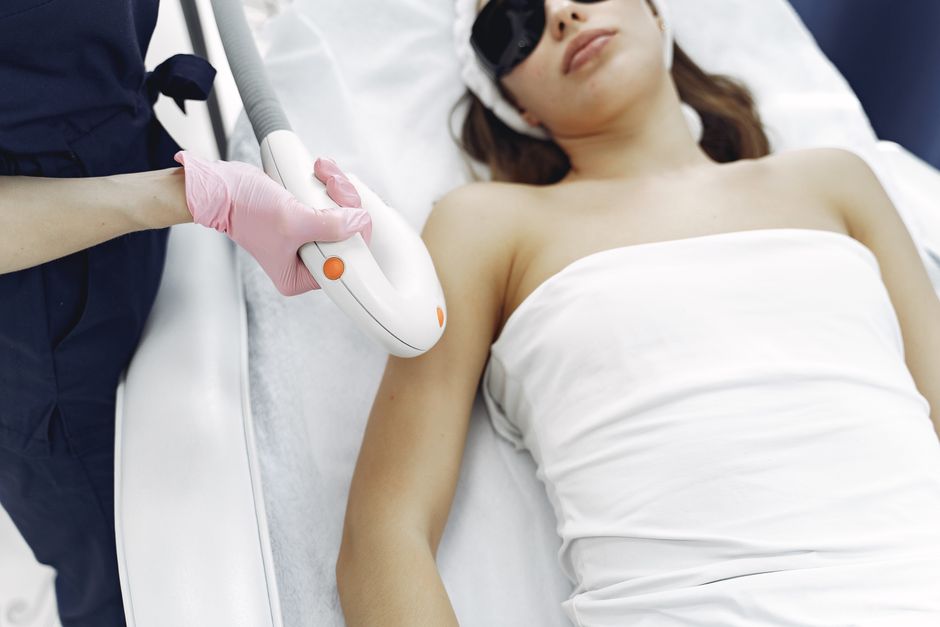
Medical-grade laser hair removal for the face and body — long-term reduction with settings calibrated to your skin tone for safe, effective results.
Learn More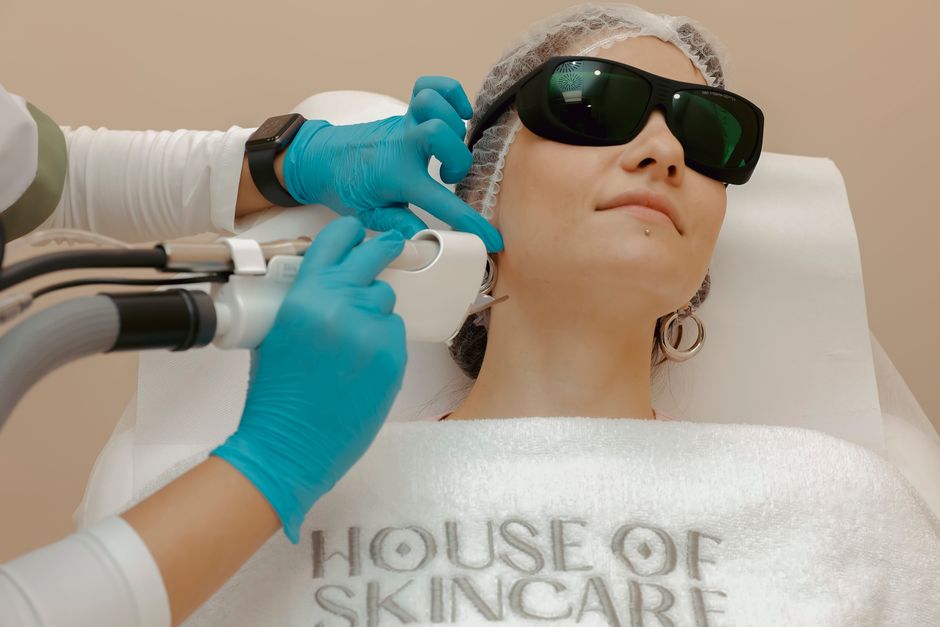
Laser Treatment in Abu Dhabi
Enfield Royal Clinic offers the full range of medical laser treatments to patients across Abu Dhabi.
Learn More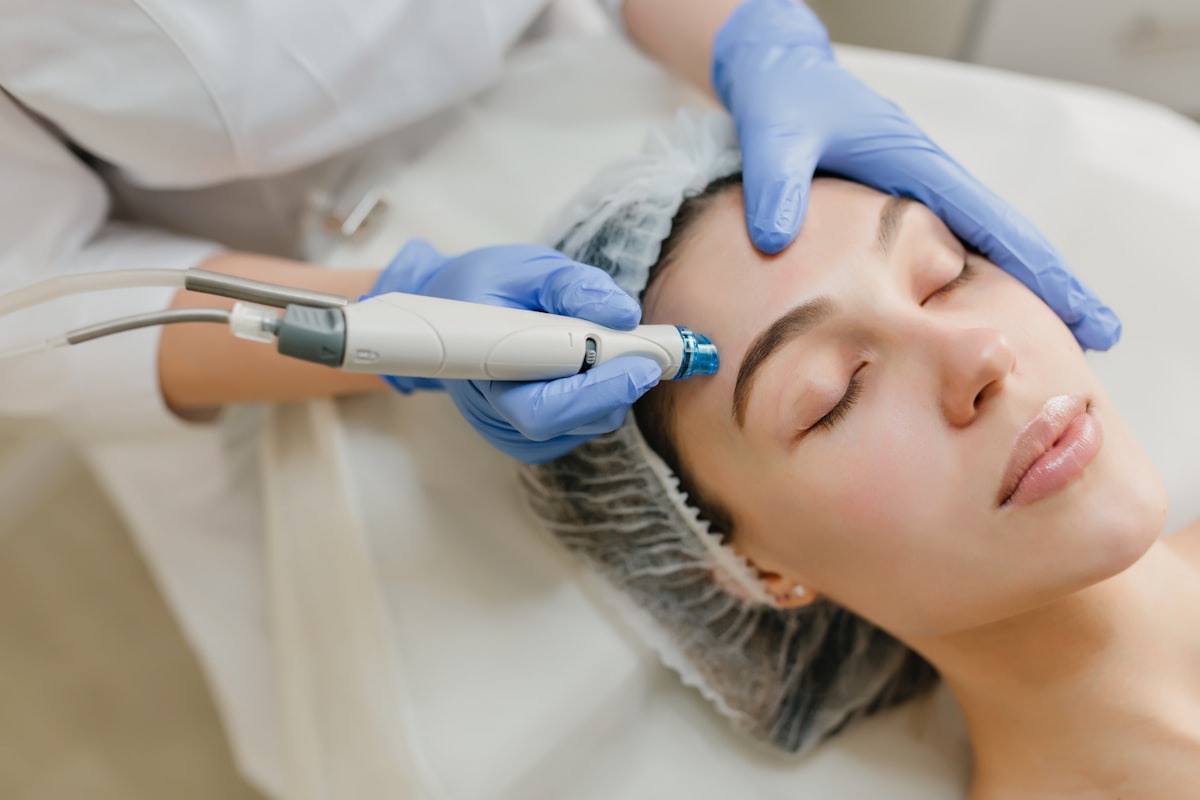
Chemical Peels
Dermatologist-led acid peels for pigmentation, acne scarring and uneven tone — with peel depth matched to your skin type and downtime tolerance.
Learn MoreReady to Begin Your Transformation?
Book a free consultation with our specialist team at Enfield Royal Clinic Khalifa City.