

Acne Scar Treatment Options in Khalifa City Abu Dhabi | 2026–2027 Consultation Guide
Acne Scar Treatment Options in Khalifa City, Abu Dhabi | 2026–2027 Consultation Guide
📊 Key Facts
- Acne scars are classified into distinct types requiring different treatment approaches
- Enfield Royal Clinic in Khalifa City offers structured consultations for personalized scar treatment
- Atrophic scars are most common, including ice pick, boxcar, and rolling subtypes
- No single treatment works for every scar type or skin profile
- Acne scars impact confidence and social interactions beyond physical appearance
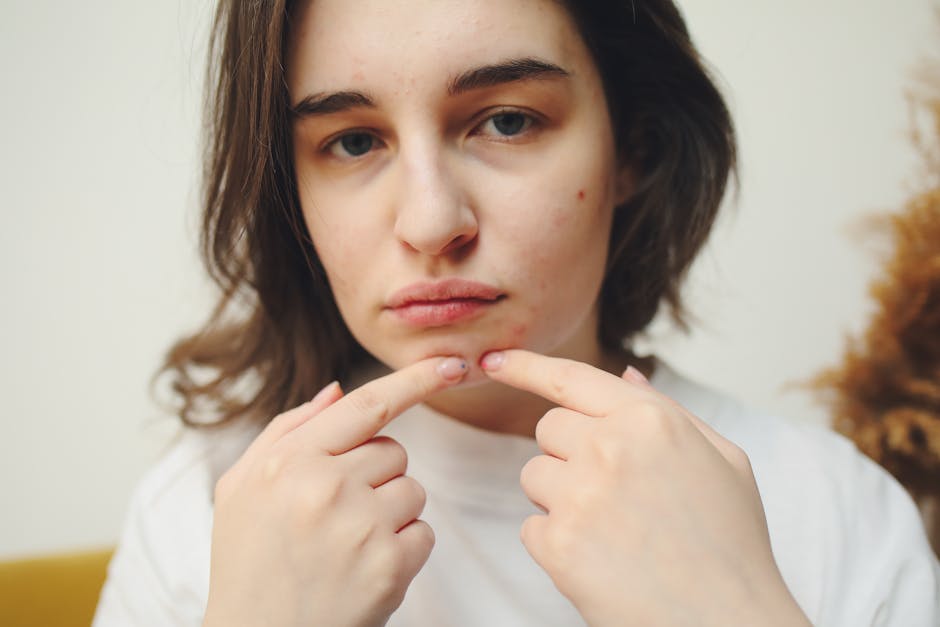
Acne scars affect far more than skin tone. They can influence how confident you feel, how you interact in professional and social settings, and how you perceive your own appearance over time. If you are based in Khalifa City, Abu Dhabi — or travelling from Dubai, Sharjah, or other parts of the UAE — and you are considering treatment, the most important thing to understand upfront is this: there is no single treatment that works for every scar type or every skin profile.
At Enfield Royal Clinic in Khalifa City, Abu Dhabi, the consultation is the starting point — not an afterthought. This guide will walk you through the types of scars that can be treated, the modalities available, what realistic outcomes look like, and what to expect when you book an assessment.
Understanding Acne Scars: Why Type Matters Before Treatment
Not all acne scars respond to the same treatments. Dermatologists classify them into distinct categories, and choosing the right approach depends entirely on accurate identification.
Atrophic Scars (Depressed Scars)
These are the most common type and occur when the skin loses tissue during the healing process. There are three subtypes:
- Ice pick scars — narrow, deep, and difficult to treat with surface-only techniques
- Boxcar scars — wider with defined edges; respond well to resurfacing procedures
- Rolling scars — wave-like texture caused by fibrous tissue pulling the skin downward
Hypertrophic Scars
These scars are raised above the skin surface and form when the body overproduces collagen during healing. They remain within the original wound boundary and are more common in individuals with certain skin types.
Keloid Scars
Keloids extend beyond the original wound area and can continue to grow over time. They require a more specialised and often multi-step management approach. Treatments suitable for atrophic scars may not be appropriate here — and in some cases, poorly chosen interventions can worsen keloids.
Why this matters: A clinic that applies the same protocol to every scar type is not providing individualised care. At Enfield Royal Clinic, the scar classification is established during your initial consultation before any treatment recommendation is made.
Treatment Modalities: What Is Available and When Each Is Used
Laser Treatments
Laser resurfacing is one of the most effective options for atrophic scars, particularly boxcar and rolling subtypes. Two broad categories exist:
- Ablative lasers (such as CO₂ or Er:YAG) remove the outer skin layer and stimulate new collagen formation. They typically deliver more visible improvement per session but carry longer downtime — often 7 to 14 days of recovery.
- Non-ablative and fractional lasers target deeper skin layers while leaving the surface largely intact, resulting in shorter recovery times but often requiring more sessions to achieve comparable improvement.
Laser treatments are generally not the first choice for active keloids, darker skin tones without specialist assessment, or patients with very recent active breakouts.
Chemical Peels
Chemical peels use acids (such as TCA, glycolic, or salicylic acid) at varying concentrations to accelerate exfoliation and stimulate collagen remodelling. Superficial peels are suitable for mild pigmentation and texture irregularities. Medium-depth peels can address more pronounced atrophic scarring. The choice of peel depth depends on your scar severity and skin type — darker Fitzpatrick skin tones require careful agent selection to avoid post-inflammatory hyperpigmentation.
Microneedling (Collagen Induction Therapy)
Microneedling uses fine needles to create controlled micro-injuries in the skin, stimulating the body's natural collagen and elastin production. It is a well-tolerated option across a range of skin tones and is frequently used for rolling and boxcar scars. Recovery is typically 24–72 hours of mild redness. It is often combined with other modalities for more comprehensive results.
Dermal Fillers
For certain atrophic scars — particularly rolling and shallow boxcar scars — injectable fillers can temporarily restore volume and smooth the skin surface. Fillers are not a permanent solution; results typically last several months to over a year depending on the product used. They can, however, provide visible improvement while a longer-term collagen-stimulating protocol is underway.
Combination Approaches
Many patients benefit most from a combination protocol — for example, fractional laser followed by a course of microneedling, or a chemical peel series used alongside subcision (a technique that releases fibrotic bands beneath rolling scars). No single modality addresses all aspects of complex scarring. Your dermatologist at Enfield Royal Clinic will discuss whether a phased, multi-modal approach is more appropriate for your presentation than a standalone treatment.
Realistic Expectations: Improvement, Not Erasure
This is perhaps the most important section of this guide. Acne scar treatment can produce meaningful, visible improvement in texture, depth, and pigmentation — but complete removal of scars is rarely achievable, and any provider who suggests otherwise is not being accurate.
Factors that influence how much improvement is achievable include:
- Scar type and depth — deeper ice pick scars are inherently more resistant to surface treatments
- Skin tone — certain treatments carry higher risk of pigmentation changes in darker skin types without careful management
- Age and skin quality — collagen production slows with age, which affects how the skin responds to stimulation-based treatments
- Consistency of treatment course — skipping sessions or not following post-treatment protocols reduces outcomes
- Active acne — ongoing breakouts can create new scarring during or after treatment, which is why acne management often runs in parallel
A realistic goal is a measurable reduction in scar visibility and an improvement in skin texture and tone. Most patients require between 3 and 6 sessions depending on modality and severity, spaced several weeks apart.
The Consultation Process at Enfield Royal Clinic, Khalifa City
Before any treatment is discussed in practical terms, every patient at Enfield Royal Clinic undergoes a structured assessment that includes:
- Medical and skin history review — including previous treatments, medications, allergies, and skin conditions
- Fitzpatrick skin type classification — to determine which treatments are safe and appropriate
- Scar mapping and classification — identifying scar types, distribution, and severity
- Suitability discussion — explaining which modalities are viable, why some options may not suit your profile, and what a treatment plan could look like
- Transparent timeline and cost discussion — including realistic session counts and pricing variables before you commit to anything
Our dermatologists are trained to explain why a particular pathway is recommended for your specific presentation — not simply to offer the most expensive or most popular option.
What to Expect: Recovery and Post-Treatment Care
Recovery varies significantly depending on the treatment chosen:
| Treatment | Typical Downtime | Key Post-Care |
|---|---|---|
| Ablative laser | 7–14 days | Sun avoidance, barrier creams, no active ingredients |
| Fractional/non-ablative laser | 2–5 days | Gentle skincare, SPF 50+, avoid heat |
| Microneedling | 1–3 days | No makeup for 24h, hydration, SPF |
| Chemical peel (medium) | 5–10 days | Strict sun avoidance, no picking, moisturiser |
| Dermal fillers | Minimal (1–2 days) | Avoid pressure on treated areas |
Post-treatment skin management is not optional — it is a clinical requirement. Failure to protect the skin from UV exposure after resurfacing treatments can result in hyperpigmentation that is more difficult to address than the original scarring. Your care team will provide written aftercare instructions and a follow-up schedule.
Pricing and Cost Factors in Khalifa City, Abu Dhabi
Acne scar treatment costs in Abu Dhabi vary based on several individual factors — and any pricing published without these caveats should be viewed with caution:
- Number of sessions required (which depends on scar severity and treatment response)
- Modality selected (ablative laser carries different costs from microneedling)
- Size of the treatment area
- Whether a combination protocol is used
- Consumables and any adjunct products prescribed
At Enfield Royal Clinic, pricing is discussed transparently during your consultation — after your assessment — so that any figure quoted reflects your actual treatment plan rather than a generic package price. We also offer flexible payment options to support patients in planning treatment across multiple sessions.
Credentials, Compliance, and Clinical Standards
Enfield Royal Clinic operates in compliance with HAAD (Health Authority Abu Dhabi) regulatory requirements. Our dermatologists hold internationally recognised qualifications and bring extensive clinical experience in treating diverse skin types — including the range of tones common across the UAE population.
When choosing any acne scar treatment Abu Dhabi clinic, we would encourage you to ask:
- What qualifications does the treating clinician hold?
- Is the clinic licensed with HAAD?
- Will I be seen by a qualified dermatologist or a non-specialist?
- Are before-and-after photographs shown with appropriate disclaimers?
These are reasonable, important questions — and a reputable clinic will answer them clearly.
Visiting Enfield Royal Clinic in Khalifa City
Our clinic is located in Khalifa City, Abu Dhabi, a well-connected residential and commercial district easily accessible from central Abu Dhabi, as well as from Dubai and Sharjah via Sheikh Zayed Road and the Abu Dhabi–Dubai highway corridor. Khalifa City offers ample parking, making visits straightforward whether you are a local resident or travelling from further afield.
We offer appointments across morning and evening slots to accommodate work and family schedules. New patient consultations can be booked directly through our reception team.
A Note on Preventing New Scarring
Treating existing scars while active acne continues is counterproductive. Part of your consultation at Enfield Royal Clinic may include a discussion of active acne management — whether through topical prescriptions, systemic therapy, or in-clinic treatments — to stabilise the skin before or during a scar treatment course. Addressing the root cause of ongoing breakouts is foundational to protecting the skin improvements you invest in.
Taking the First Step
If you are in Khalifa City, Abu Dhabi, or anywhere across the UAE and have questions about acne scarring, the most productive first step is a professional consultation — not an online comparison of treatments. Scar type, skin tone, medical history, and lifestyle all influence which pathway is right for you, and none of these can be assessed without a clinical assessment.
Enfield Royal Clinic is here to provide that assessment honestly, with clear guidance on what is achievable for your specific skin — and what is not. Contact our team to schedule your consultation and begin the process with clarity.
Ready to Begin Your Transformation?
Book a free consultation with our specialist team at Enfield Royal Clinic Khalifa City.