
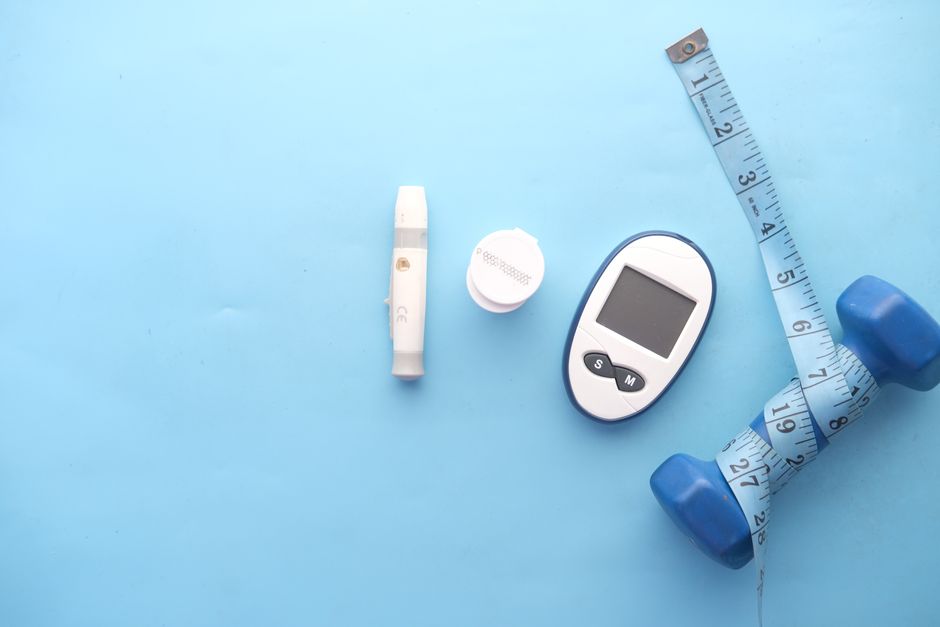
Weight Loss Injections Khalifa City Abu Dhabi: Types, Price & What to Expect 2026–2027
Weight Loss Injections in Khalifa City, Abu Dhabi: Types, Pricing & What to Realistically Expect in 2026–2027
📊 Key Facts
- Weight loss injections in Abu Dhabi include GLP-1 agonists, lipotropic, and fat-dissolving treatments
- Treatment choice depends on goals: systemic weight management, localized fat reduction, or metabolic support
- Enfield Royal Clinic emphasizes transparency in pricing and realistic expectations for outcomes
- Individual results vary significantly; medical consultation required before initiating any weight loss injection treatment
- Demand for medically supervised weight loss injections in Khalifa City has grown considerably
The demand for medically supervised weight loss injections across Abu Dhabi—and Khalifa City in particular—has grown considerably as residents seek clinically structured alternatives to diet and exercise alone. But with that growth comes an overwhelming variety of options, price points, and marketing claims that can make informed decision-making genuinely difficult.
At Enfield Royal Clinic in Khalifa City, we believe transparency is the foundation of trust. This guide covers every injection category available in the region, what each one actually does mechanically, realistic price ranges you will encounter across Abu Dhabi, and the clinical factors that determine whether any of these treatments is appropriate for you.
Medical Disclaimer: All information in this article is educational. Individual results vary significantly. No treatment should be initiated without a formal medical consultation and candidacy evaluation by a licensed physician.
Understanding the Three Categories of Weight Loss Injections
Not all weight loss injections work the same way, and choosing the right one depends entirely on your goals—whether that is systemic weight management, localised fat reduction, or metabolic support. Grouping them correctly is the first step toward a meaningful comparison.
1. GLP-1 Receptor Agonists (Appetite and Metabolic Regulation)
GLP-1 receptor agonists are a class of medications that mimic a naturally occurring gut hormone involved in regulating appetite and glucose metabolism. When administered by injection—typically subcutaneous, often weekly—they influence the brain's satiety signalling, slow gastric emptying, and can lead to reduced caloric intake over time.
These are prescription-only medications in the UAE, regulated under the Ministry of Health and Prevention (MOHAP) and subject to Abu Dhabi Health Services Company (SEHA) and Health Authority Abu Dhabi (HAAD) oversight. They are not appropriate for self-administration and must be prescribed and monitored by a licensed physician.
Who may be considered: Individuals with a clinically elevated BMI, often those with associated metabolic conditions such as insulin resistance or type 2 diabetes, following thorough medical screening.
Realistic expectations: Measurable changes in body weight may begin within 8–12 weeks for suitable candidates, with ongoing results contingent on continued treatment and lifestyle modifications. Weight loss is not permanent if medication is discontinued without maintaining supporting habits.
Approximate price range in Abu Dhabi (2026–2027): AED 1,200–2,500 per month depending on dosage, brand, and clinic protocol. Consultation fees are typically separate.
2. Lipotropic Injections (Metabolic Support)
Lipotropic injections are compound formulations—commonly containing methionine, inositol, choline, and B vitamins—that are administered intramuscularly, often into the thigh or upper arm. Their proposed mechanism involves supporting the liver's ability to process and export fat, potentially complementing a structured diet and exercise programme.
It is important to note that lipotropic injections are considered a supportive adjunct rather than a standalone weight loss treatment. Their regulatory status in the UAE varies depending on formulation, and availability should be confirmed through a licensed clinic.
Who may be considered: Individuals pursuing general wellness and metabolic support who are already engaged in a structured weight management programme.
Realistic expectations: Lipotropic injections are not independently validated to produce significant standalone fat loss. Results, where observed, are typically modest and highly individual. Sessions are often scheduled weekly.
Approximate price range in Abu Dhabi (2026–2027): AED 300–800 per session.
3. Fat-Dissolving Injections / Mesotherapy (Localised Fat Reduction)
Fat-dissolving injections—most commonly formulated with deoxycholic acid or phosphatidylcholine-based compounds—work through a fundamentally different mechanism. Rather than influencing appetite or systemic metabolism, they are injected directly into subcutaneous fat deposits to disrupt and break down fat cell membranes in a targeted area.
These treatments are intended for localised, stubborn fat pockets—such as the submental (under-chin) area, abdomen, flanks, or inner thighs—rather than for overall weight reduction. They are not appropriate as a treatment for obesity.
Who may be considered: Individuals who are at or near their target weight but carry isolated fat deposits resistant to diet and exercise. Medical screening is required to assess skin laxity, health status, and treatment area suitability.
Realistic expectations: Most patients require between 2–6 sessions per treatment area, spaced 4–6 weeks apart. Visible reduction in the treated area may become apparent after the second or third session, with final results assessed several weeks post-treatment. Some swelling, bruising, and tenderness in the treatment area following injections is a recognised and expected response.
Approximate price range in Abu Dhabi (2026–2027): AED 900–2,000 per session, depending on the treatment area, volume of product used, and clinic expertise.

What Affects the Price of Weight Loss Injections in Abu Dhabi?
Price variation across Abu Dhabi clinics—including Khalifa City—reflects a range of legitimate clinical variables, not arbitrary markup. Understanding these helps you evaluate quotes more accurately.
| Cost Variable | Why It Matters |
|---|---|
| Injection type and formulation | GLP-1 medications carry prescription and supply costs; fat-dissolving compounds vary by concentration and origin |
| Treatment area and volume | Larger or multiple areas require more product and time |
| Session frequency | Protocols vary; more sessions increase total investment |
| Physician qualifications | Board-certified specialists or dermatologists command different fee structures than general practitioners |
| Clinic infrastructure | HAAD-licensed facilities with in-house monitoring and aftercare have higher operational standards reflected in pricing |
| Consultation and monitoring | Reputable clinics include pre-treatment evaluation and post-treatment follow-up, which adds to total cost but is clinically essential |
Note: Pricing data presented here represents regional benchmarks gathered from publicly available competitor information and should not be interpreted as a quote or guarantee of Enfield Royal Clinic's specific pricing. An accurate cost estimate requires an in-person or virtual consultation.
Am I a Suitable Candidate?
Candidacy for weight loss injections is not determined by desire alone—it is established through clinical evaluation. A responsible clinic will assess:
- BMI and body composition — GLP-1 agonists are generally considered for individuals with a BMI above a clinical threshold, often 27–30 or higher with comorbidities. Fat-dissolving injections are typically appropriate for those at or near a healthy weight.
- Medical history — Certain conditions, including thyroid disorders, pancreatitis history, or active gastrointestinal disease, may contraindicate specific injection types.
- Current medications — Drug interactions must be assessed by a physician.
- Realistic goals — Patients seeking rapid or dramatic transformation in a single session are unlikely to be appropriate candidates for any of these treatments.
- Psychological readiness — Sustainable outcomes are connected to behavioural and lifestyle readiness, not injections alone.
A clinic that offers treatment without this screening process is not one that is prioritising your safety.
Side Effects and Safety Considerations
All injection-based treatments carry recognised potential side effects. Transparency about these is a marker of a trustworthy provider.
GLP-1 receptor agonists may be associated with nausea, vomiting, diarrhoea, constipation, or decreased appetite. More serious effects, including pancreatitis or gallbladder events, have been documented in clinical literature and require monitoring.
Lipotropic injections may cause injection site reactions, including redness, swelling, or discomfort. Allergic responses, though uncommon, are possible depending on formulation.
Fat-dissolving injections commonly produce swelling, bruising, redness, and tenderness in the treated area following sessions—these are expected physiological responses to the disruption of fat cells. Numbness or firmness in the area may persist temporarily. In rare cases, uneven results or changes in skin texture can occur.
None of these treatments are without risk, and no legitimate provider will claim otherwise.
Treatment Timelines: What to Realistically Expect
One of the most consistent gaps in weight loss injection content is the absence of honest timeline guidance. Here is what the clinical picture actually looks like:
- GLP-1 agonists: Treatment is ongoing, often months to a year or more. Discontinuing treatment without establishing supporting lifestyle changes typically results in weight returning over time. This is a medically managed journey, not a course of treatment with a defined endpoint.
- Fat-dissolving injections: Allow 4–6 weeks between sessions. Most patients complete 2–6 sessions per area. Final assessment of results is typically made 8–12 weeks after the last session.
- Lipotropic injections: Often administered weekly as part of a broader wellness programme. Standalone results are modest and individual.
Aftercare and Maintenance
Aftercare is often underemphasised by providers focused on initial conversion rather than long-term outcomes. At a premium clinic, aftercare should include:
- Post-injection monitoring for adverse reactions
- Dietary and hydration guidance tailored to your treatment type
- Scheduled follow-up appointments to assess response and adjust protocols
- For GLP-1 patients: regular review of metabolic markers and dosage calibration
- For fat-dissolving patients: guidance on managing temporary swelling and activity restrictions during the healing period
Results from any injection programme—regardless of type—require supporting lifestyle behaviours to be maintained over time. There is no injection category that delivers permanent results independent of how you live.
Why Clinic Choice Matters Beyond Price
In a market where prices for nominally similar treatments can range from AED 300 to AED 2,500 per session, the instinct to choose the lowest quote is understandable. But clinical outcomes are shaped by factors that do not appear on a price list:
- Physician qualifications and licensing under HAAD — The practitioner administering your treatment should hold verifiable credentials and operate within a licensed facility.
- Formulation quality and sourcing — Not all injectable products are equivalent in purity, concentration, or regulatory compliance within the UAE.
- Protocol rigour — A thorough intake assessment, dosing protocol, and follow-up structure are not administrative extras—they are central to your safety.
- Access to management if complications arise — A clinic with in-house medical support is meaningfully different from a pop-up or single-practitioner setup.
Booking a Consultation at Enfield Royal Clinic, Khalifa City
Enfield Royal Clinic operates from Khalifa City, Abu Dhabi, making it conveniently accessible for residents across Khalifa City, Abu Dhabi city, and those travelling from Dubai or Sharjah. Our approach to weight loss injection consultations prioritises honest candidacy evaluation before any treatment recommendation is made.
During your consultation, you can expect:
- A detailed review of your medical history and current health status
- A transparent discussion of which injection type—if any—is clinically appropriate for your goals
- A clear breakdown of estimated costs, session frequency, and what realistic outcomes look like for your specific case
- Time to ask questions without pressure
We do not offer treatment plans designed around price competitiveness alone. We offer them around clinical appropriateness.
To book a consultation with our team in Khalifa City, contact Enfield Royal Clinic directly. A brief conversation is all it takes to determine whether you are a suitable candidate and what a responsible treatment plan would involve for you.
Results from weight loss injection treatments vary between individuals and are influenced by medical history, treatment adherence, lifestyle factors, and biological response. Nothing in this article constitutes medical advice or a treatment recommendation. All treatments at Enfield Royal Clinic are subject to individual medical consultation and physician approval in accordance with UAE health authority guidelines.
Ready to Begin Your Transformation?
Book a free consultation with our specialist team at Enfield Royal Clinic Khalifa City.