

Actinic Keratosis Treatment
Treating sun-damaged pre-cancerous skin lesions
Actinic keratoses are rough, scaly patches caused by years of UV exposure; left untreated they carry a risk of progressing to squamous cell carcinoma — our dermatologists provide safe and effective removal using the most appropriate technique for each lesion.
Treatment choice depends on lesion count, location and thickness: single lesions are typically treated with cryotherapy or curettage, while field cancerisation with multiple lesions responds well to photodynamic therapy or prescription topical agents.
Key Benefits of Actinic Keratosis Treatment in Abu Dhabi
- Removes pre-cancerous lesions before progression
- Multiple treatment options tailored to lesion type
- Prevents development of squamous cell carcinoma
- Skin cancer surveillance provided alongside treatment
Is Actinic Keratosis Treatment Right For You?
Ideal Candidates
- Patients with rough, scaly sun-damaged skin patches
- Those with a history of extensive sun exposure
- Anyone referred or concerned about changing skin lesions
What to Expect During Your Actinic Keratosis Treatment at Enfield Royal
Dermatoscopy Examination
Lesions are examined with dermoscopy to confirm diagnosis and assess thickness.
Treatment Selection
Cryotherapy, topical field treatment or photodynamic therapy is selected.
Treatment Delivery
The chosen treatment is applied to individual or multiple lesions.
Follow-Up
Skin is reviewed at 3 months to confirm clearance and check for new lesions.
Recovery & Aftercare
Cryotherapy: treated area blisters and heals over 7–14 days; topical treatments cause inflammation for several weeks in the treatment field.
Frequently Asked Questions About Actinic Keratosis Treatment
Do actinic keratoses always become skin cancer?
Not always — studies suggest around 5–10% of untreated lesions may progress to squamous cell carcinoma, which is why proactive treatment is recommended.
What sun protection should I use after treatment?
Daily broad-spectrum SPF 50+ is essential to prevent new lesions forming; sun-protective clothing is also strongly advised.
Patients Also Explore
Our specialists offer a full range of complementary treatments across surgery, skin, hair and wellness.
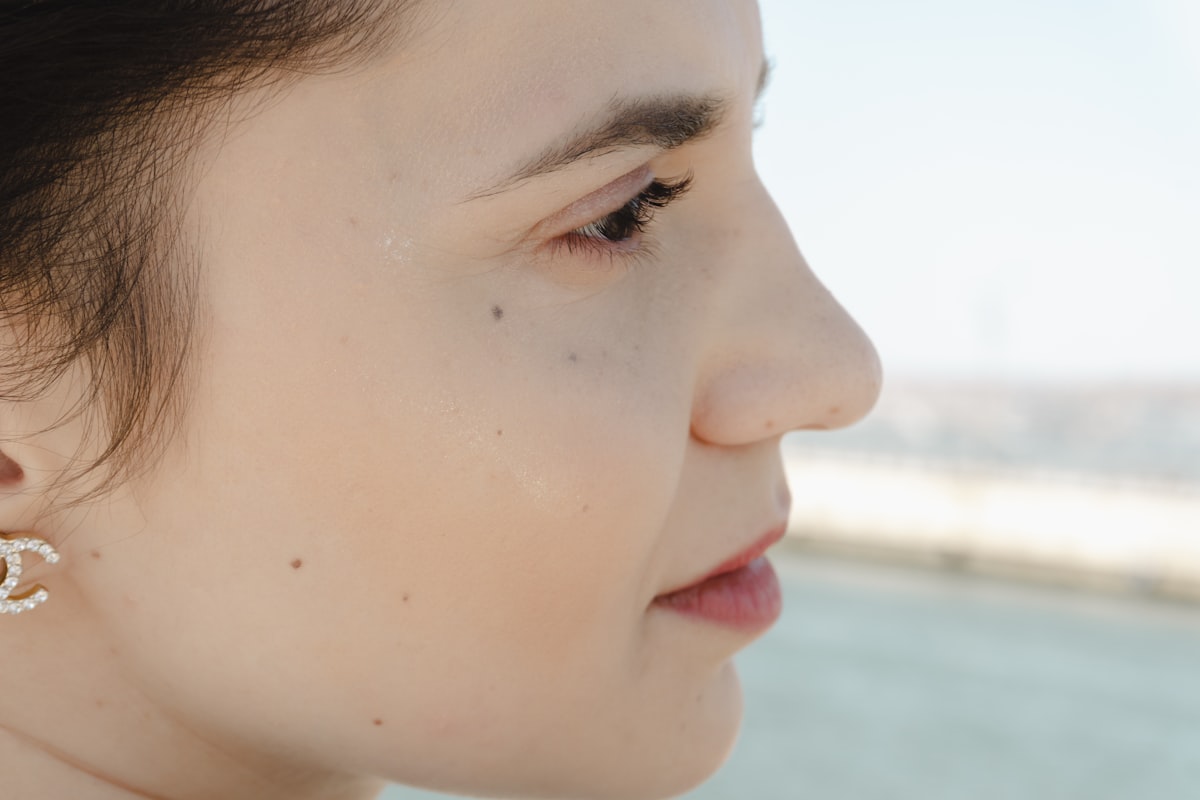
Rhinoplasty
Refine the shape, size or profile of your nose while preserving natural breathing function.
Learn More
Breast Augmentation
Enhance breast volume and shape using high-quality implants or fat transfer.
Learn More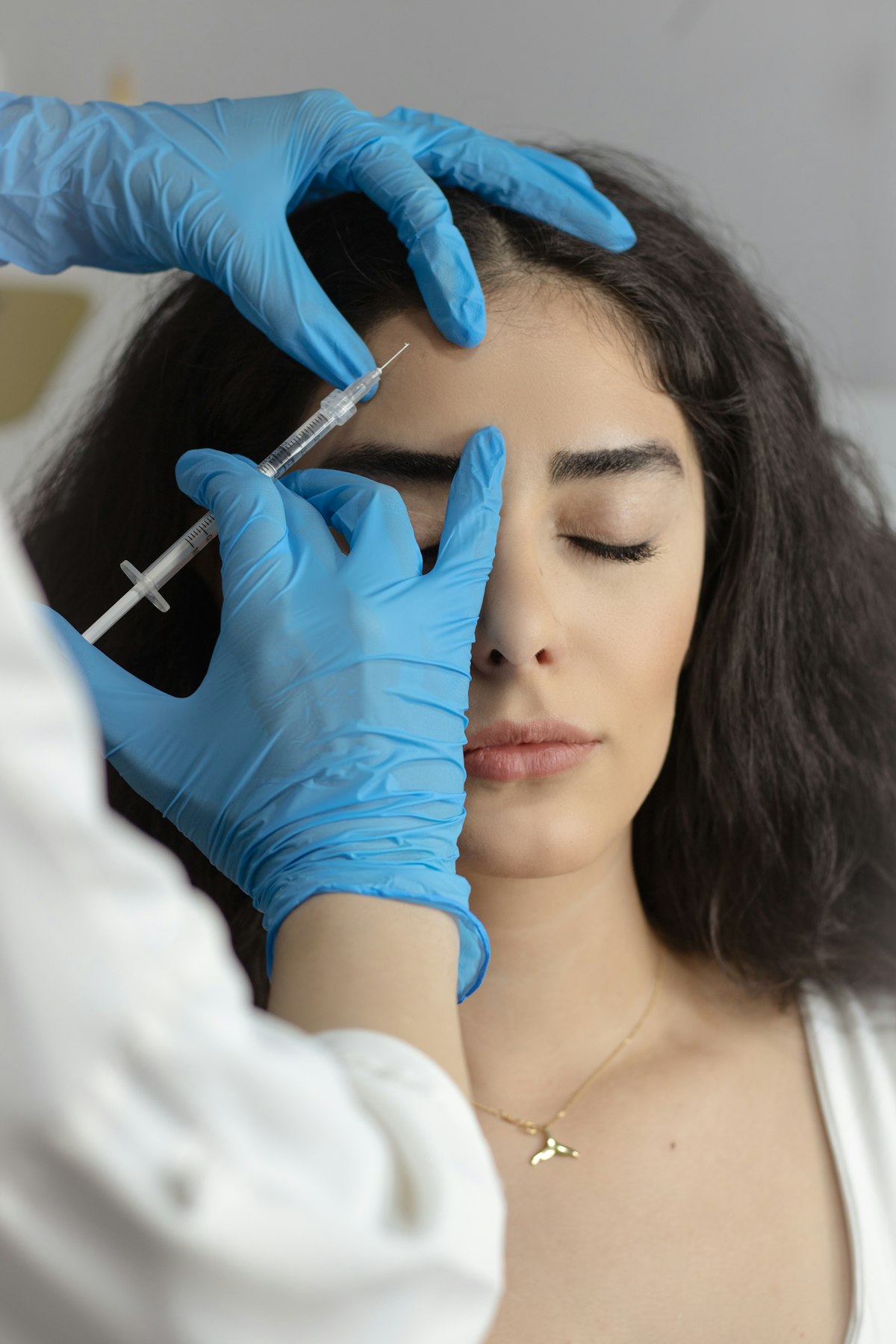
Botox
Relax the muscles that cause frown lines, crow's feet and forehead creases.
Learn MoreReady to Book Your Actinic Keratosis Treatment Consultation?
Speak to a specialist and get an honest, personalised recommendation.