

Beard Hair Transplant in Khalifa City Abu Dhabi 2026–2027 | Enfield Royal Clinic
Beard Hair Transplant in Khalifa City, Abu Dhabi (2026–2027) | Enfield Royal Clinic
📊 Key Facts
- Enfield Royal Clinic in Khalifa City offers FUE, FUT, and DHI beard transplant techniques
- Beard transplants relocate hair follicles from scalp to face for fuller, defined facial hair
- Procedure requires careful planning of angle, direction, and density for natural-looking results
- Beard transplants carry cultural significance and personal identity importance in Gulf region
- Guide covers candidacy, timelines, costs, and aftercare for informed decision-making
A well-defined beard is more than a grooming preference—for many men across Abu Dhabi, the UAE, and the broader Gulf region, it carries cultural significance, personal identity, and aesthetic confidence. Yet patchy growth, scarring, hormonal factors, or genetics can make achieving a full beard difficult without medical intervention.
At Enfield Royal Clinic, located in Khalifa City, Abu Dhabi, our team of specialized surgeons offers beard hair transplant procedures designed around your individual facial structure, donor hair characteristics, and aesthetic goals. This guide provides honest, detailed information to help you assess whether a beard transplant is the right step for you in 2026–2027.
What Is a Beard Hair Transplant?
A beard hair transplant is a surgical procedure that relocates hair follicles—typically harvested from the back or sides of the scalp—to areas of the face where beard growth is absent, thin, or uneven. The goal is to restore density, definition, or coverage across the cheeks, jawline, chin, mustache area, or sideburns.
The procedure requires careful planning: follicle angle, direction of natural beard growth, and density per square centimeter must all be considered to produce results that integrate seamlessly with your existing facial hair. This is not a one-size-fits-all treatment, and candidacy, technique selection, and outcome expectations vary significantly from patient to patient.

Techniques Used at Enfield Royal Clinic
Our surgeons employ three established methods, with technique selection based on your specific anatomy, desired density, and donor area characteristics.
FUE – Follicular Unit Extraction
FUE is the most widely used technique for beard transplants. Individual follicular units (groups of 1–4 hairs) are extracted one by one from the donor scalp using a micro-punch tool, leaving no linear scar. The extracted grafts are then implanted into pre-made incisions in the beard area.
Best suited for: Patients who prefer minimal visible scarring at the donor site, those with moderate graft requirements, and patients who wear their scalp hair short.
FUT – Follicular Unit Transplantation
FUT involves removing a narrow strip of scalp tissue from the donor region. Follicular units are then dissected from this strip under magnification and transplanted to the beard area. FUT allows for a larger number of grafts in a single session but leaves a linear scar at the donor site.
Best suited for: Patients requiring a high volume of grafts or those where the donor area density supports strip harvesting. Less commonly selected for beard-only cases but remains a viable option in specific clinical scenarios.
DHI – Direct Hair Implantation
DHI uses a specialized implanter pen (Choi pen) to extract and implant follicles simultaneously, without pre-making recipient site incisions. This technique offers a high degree of precision in controlling the angle, depth, and direction of each implanted graft—particularly valuable when working with the contoured terrain of the face.
Best suited for: Patients seeking refined density control, those targeting specific zones like the mustache or upper cheek, and cases requiring precise directional placement for a coherent growth pattern.
During your consultation, our surgeons will explain which technique—or combination of techniques—aligns with your anatomy and goals, along with the trade-offs of each approach.
Who Is a Good Candidate for a Beard Transplant?
Ideal candidates share several characteristics:
- Adequate donor hair supply: Sufficient healthy follicles at the back or sides of the scalp are essential. Patients with advanced scalp hair loss may have limited donor availability.
- Realistic expectations: Candidates who understand that hair grows in phases and that final density becomes visible over 9–12 months.
- Specific beard concerns: Patchy areas, scarring from acne or injury, naturally sparse facial hair, or asymmetrical growth.
- Good general health: No active skin conditions on the face or scalp, no uncontrolled systemic illness, and no blood-thinning medication regimens that cannot be safely paused.
Who may NOT be a suitable candidate:
- Men with very limited scalp donor density
- Patients with active alopecia areata or other follicular conditions affecting the donor region
- Individuals with unrealistic expectations about density or uniformity
- Those in poor general health or with contraindicated medications
A thorough pre-operative assessment at our clinic will determine your suitability before any procedure is scheduled.
Realistic Results: What to Expect and When
This is one area where we deliberately differ from vague competitor claims. Here is an honest, phase-by-phase timeline:
| Phase | Timeframe | What Happens |
|---|---|---|
| Immediate post-op | Days 1–5 | Redness, minor swelling, small crusts around grafts. Normal and expected. |
| Shedding phase | Weeks 2–4 | Transplanted hairs shed. This is part of the follicle's reset cycle—not graft failure. |
| Dormant phase | Months 1–3 | Minimal visible growth. Follicles are anchoring and entering the anagen (active) phase. |
| Early growth | Months 3–6 | New hairs begin emerging. Texture may initially differ from surrounding beard hair. |
| Maturation | Months 6–12 | Density, texture, and direction continue refining. Most patients see meaningful results by month 9. |
| Final assessment | 12 months post-op | The clearest evaluation of overall outcome, density, and coverage. |
Results vary based on individual follicle health, skin characteristics, adherence to aftercare, and the number of grafts placed. No specific outcome can be guaranteed.
Cost Factors and Pricing Transparency in Khalifa City
Beard transplant costs in Abu Dhabi are rarely fixed—and any clinic offering a flat price without an assessment should raise questions. At Enfield Royal Clinic, pricing is structured around measurable, transparent variables:
- Graft count: Most beard transplants require between 500 and 3,000 grafts depending on the coverage area and desired density. A fuller beard restoration typically falls in the 1,500–2,500 graft range.
- Technique selected: DHI and FUE typically command a premium over FUT due to the precision instrumentation and additional time involved per graft.
- Area complexity: Targeting the mustache or upper cheek requires finer directional control than the jawline, which may affect session time and cost.
- Number of sessions: Some patients achieve their goal in a single session; others with significant coverage needs may benefit from staged procedures.
- Included services: Our pricing structure includes pre-operative consultation, procedure, post-operative medications, and follow-up appointments—itemized clearly so you understand what you are paying for.
We provide personalized cost estimates only after a formal consultation and assessment. Payment options at our clinic include major credit and debit cards, cash in UAE Dirhams, and financing plan arrangements—common practice across UAE aesthetic clinics.
Recovery Process and Aftercare
Recovery from a beard transplant is manageable with proper guidance. Here is what our clinical team advises:
First 72 hours: Keep the transplanted area dry. Sleep with your head slightly elevated. Avoid touching or rubbing the graft sites. Prescribed antibiotics and anti-inflammatory medication will be provided.
Days 4–10: Gentle washing of the face begins, using a technique demonstrated by our team. Crusting will start to loosen and naturally resolve. Avoid shaving the beard area entirely during this period.
Weeks 2–6: The shedding phase occurs—do not be alarmed. Avoid direct sun exposure on the face, strenuous physical activity that causes heavy sweating, and swimming pools or saunas.
Months 2–6: Standard grooming may gradually resume as instructed. Some patients incorporate PRP (Platelet-Rich Plasma) therapy during this phase to support follicle health, though this is optional and discussed individually.
Ongoing: Protect the beard area from prolonged sun exposure. Maintain a balanced diet and hydration, as these affect hair cycle health.
All aftercare instructions are provided in both Arabic and English, and our team is available for follow-up queries throughout your recovery.
Beard Transplant vs. Alternative Treatments
Some patients ask about non-surgical options before committing to a procedure. It is fair to address these:
- Minoxidil: A topical treatment that may stimulate some facial hair growth in patients with partial follicular activity. It requires indefinite use and is not effective for areas with no existing follicles or scarring.
- PRP Therapy: Platelet-rich plasma injections can support hair cycle health and are sometimes used as a complementary treatment post-transplant. As a standalone option for significant beard gaps, results are limited and variable.
For patients with significant patchiness, scarring, or absent growth zones, a hair transplant remains the most direct intervention to place new follicles in non-producing areas.
Risks and Honest Complications Discussion
All surgical procedures carry inherent risks. We believe patients deserve a candid overview:
- Infection: Rare with proper aftercare and prophylactic antibiotics, but possible at graft sites.
- Folliculitis: Temporary inflammation around hair follicles during early growth phases.
- Poor graft survival: A percentage of transplanted grafts may not survive—this is a known variable in all transplant procedures and influences how many grafts are planned.
- Donor site effects: Temporary numbness, mild scarring (technique-dependent), or slight thinning in the donor area.
- Asymmetry or uneven growth: Can occur if directional placement is not precise or if individual grafts respond differently.
- Temporary numbness or sensitivity: Common in both donor and recipient areas, typically resolving within weeks.
Our surgeons discuss all relevant risks with you during consultation as part of our informed consent process, in compliance with UAE health and aesthetic procedure regulations.
The Consultation Process at Enfield Royal Clinic, Khalifa City
A beard transplant decision begins with an in-depth consultation—not a sales appointment. During your assessment, our surgeon will:
- Evaluate your donor hair: Density, caliber, and scalp health determine how many quality grafts are available.
- Assess your beard area: Mapping areas of absence, patchiness, or scarring helps determine graft placement and density targets.
- Discuss your aesthetic goals: We use this conversation to align clinical possibilities with what you hope to achieve—and to flag any expectations that may not be clinically realistic.
- Present a personalized treatment plan: Including technique recommendation, estimated graft count, session structure, projected timeline, and an itemized cost estimate.
- Review risks and answer your questions: We encourage you to ask everything before agreeing to proceed.
Consultations are available in English and Arabic to serve both expatriate and UAE national patients comfortably.
Our Location in Khalifa City, Abu Dhabi
Enfield Royal Clinic is based in Khalifa City, Abu Dhabi—one of the emirate's most accessible residential and commercial districts, well connected by major road networks from central Abu Dhabi, as well as from Dubai and Sharjah for patients willing to travel for a specialized consultation.
The clinic offers convenient on-site parking, a private reception area, and a clinical environment that reflects the premium, patient-centered care our team is committed to delivering.
Frequently Asked Questions
Will a beard transplant leave visible scars? With FUE and DHI techniques, donor-site marks are small circular micro-wounds that typically heal with minimal visibility, especially when scalp hair is kept at a moderate length. FUT leaves a linear donor scar, which is discussed in detail during consultation.
Can I shave my transplanted beard normally afterward? Yes—once fully grown, transplanted beard hair behaves like natural beard hair and can be trimmed or shaved in the usual manner.
How many grafts will I need? This varies significantly. A focused area (chin or mustache only) may require 300–700 grafts. A full beard restoration commonly ranges from 1,500 to 2,500+ grafts. Your surgeon will give you a precise estimate after examining your face.
Is the procedure painful? Local anaesthesia is administered before the procedure begins. Most patients report pressure or mild discomfort rather than sharp pain during the session. Post-procedure tenderness is typically manageable with prescribed medication.
What if I am travelling from Dubai or Sharjah? Many of our patients travel from Dubai, Sharjah, and other emirates for consultations and procedures. Our team can help coordinate appointments to minimize travel time and plan follow-up visits efficiently.
Book Your Consultation at Enfield Royal Clinic
If you are considering a beard hair transplant in Khalifa City or greater Abu Dhabi, the most informed next step is a personalized consultation—not a price comparison alone. Every beard restoration case is different, and a clinical assessment is the only way to give you an honest picture of what is achievable for your specific situation.
Contact Enfield Royal Clinic in Khalifa City to schedule your consultation with one of our experienced beard restoration specialists. We offer appointments in Arabic and English, and we are committed to giving you the transparent, patient-first guidance you deserve before making any decision.
Results from beard hair transplant procedures vary between individuals and depend on factors including graft health, skin type, adherence to aftercare, and individual hair growth cycles. No specific outcome is guaranteed. All procedures are performed in compliance with UAE health authority regulations.
Treatments Mentioned in This Article
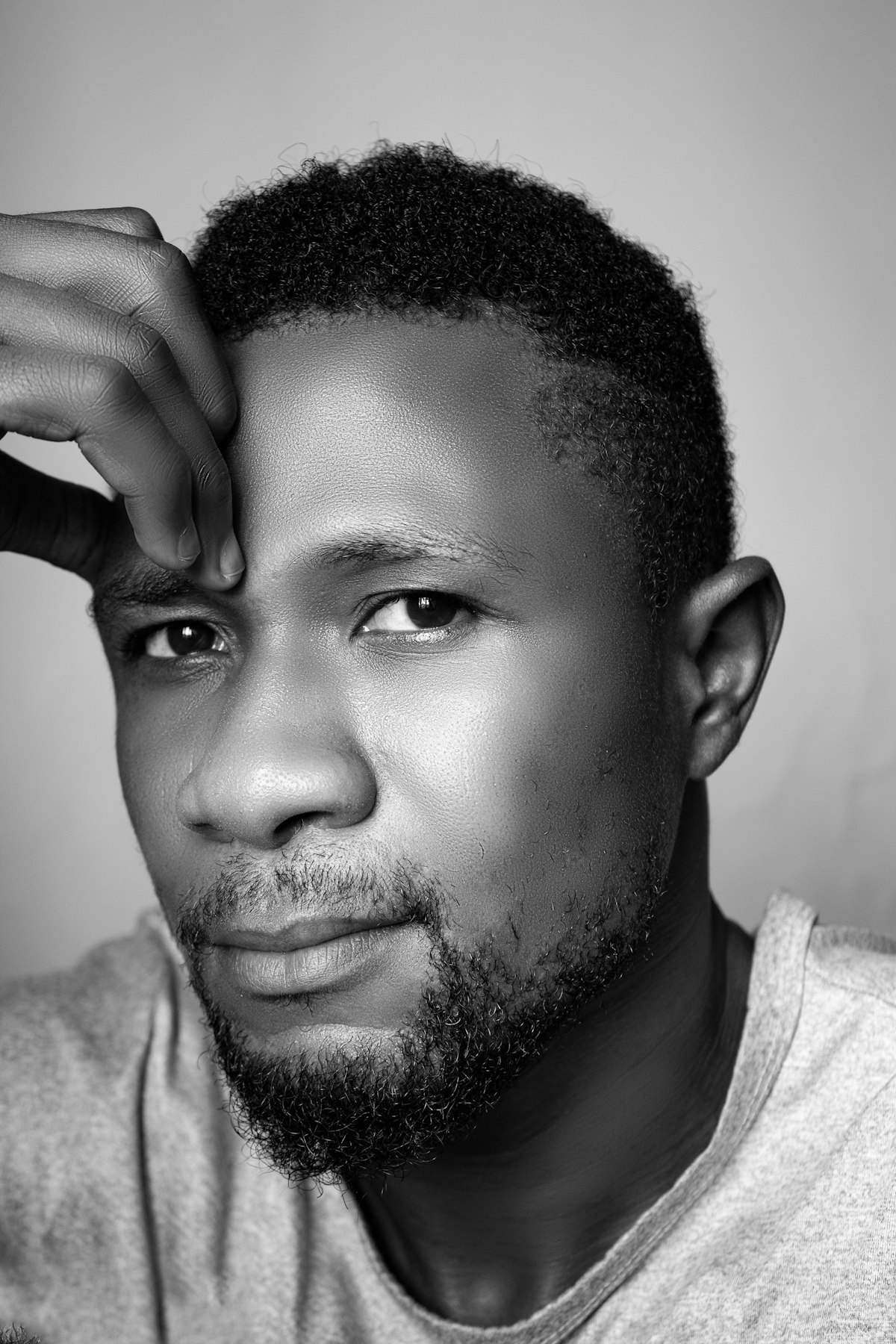
Beard Transplant
Transplant scalp follicles into the beard area for fuller, natural facial hair.
Learn More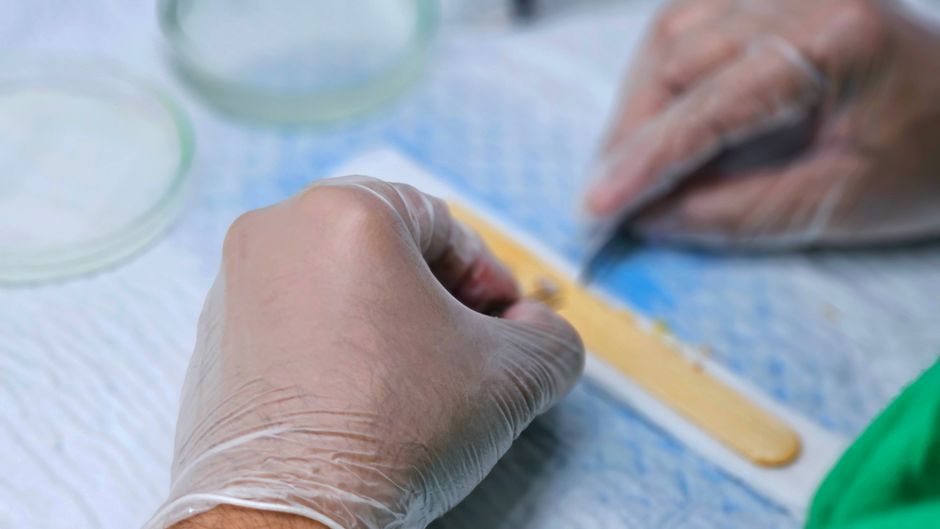
Hair Transplant in Khalifa City
Enfield Royal Clinic in Khalifa City offers FUE and DHI hair transplant surgery for Abu Dhabi residents.
Learn More
PRP Therapy
Concentrated growth factors from your own blood injected to stimulate collagen production, hair regrowth and tissue repair.
Learn MoreReady to Begin Your Transformation?
Book a free consultation with our specialist team at Enfield Royal Clinic Khalifa City.