
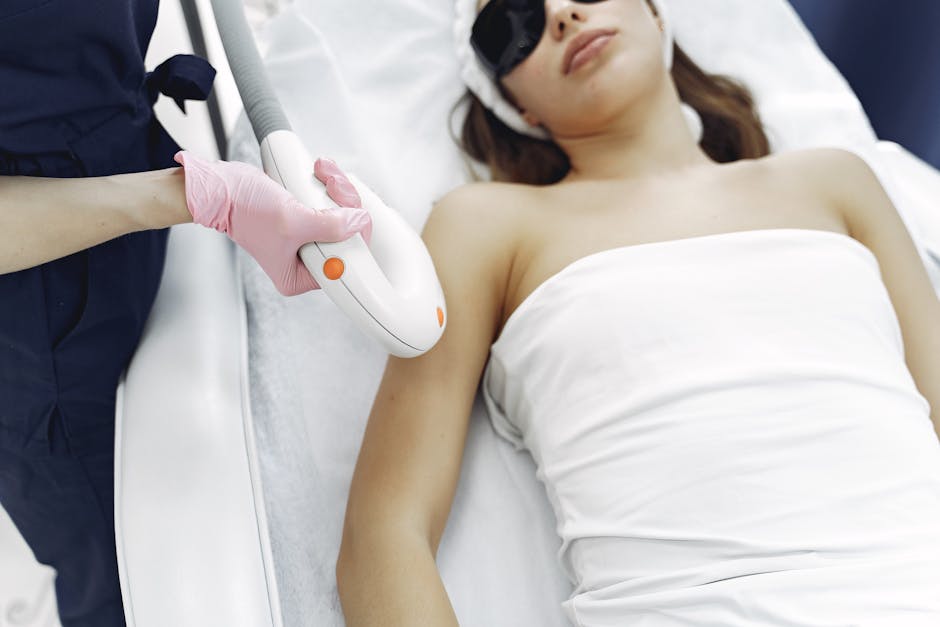
Best Laser Hair Removal Clinic in Abu Dhabi 2026–2027
Best Laser Hair Removal Clinic in Abu Dhabi: What to Know Before You Book (2026–2027 Guide)
📊 Key Facts
- Laser hair removal targets melanin in follicles using concentrated light energy
- Results vary by individual based on skin tone, hair color, and hormones
- Medically accurate term is laser hair reduction, not permanent removal
- Enfield Royal Clinic serves Abu Dhabi, Dubai, and Sharjah clients
- Choosing clinic requires transparency about technology, timelines, and practitioner qualifications
Searching for the best laser hair removal clinic in Abu Dhabi is one thing. Finding a clinic that will be completely honest with you about what treatment involves — including the limitations, the preparation, and the realistic outcomes — is something else entirely.
This guide is written for people making a considered decision, not an impulsive one. Whether you are based in Khalifa City, commuting from central Abu Dhabi, or travelling from Dubai or Sharjah, the information below will help you ask the right questions, evaluate any clinic fairly, and arrive at your first appointment genuinely prepared.
What Is Laser Hair Removal and How Does It Actually Work?
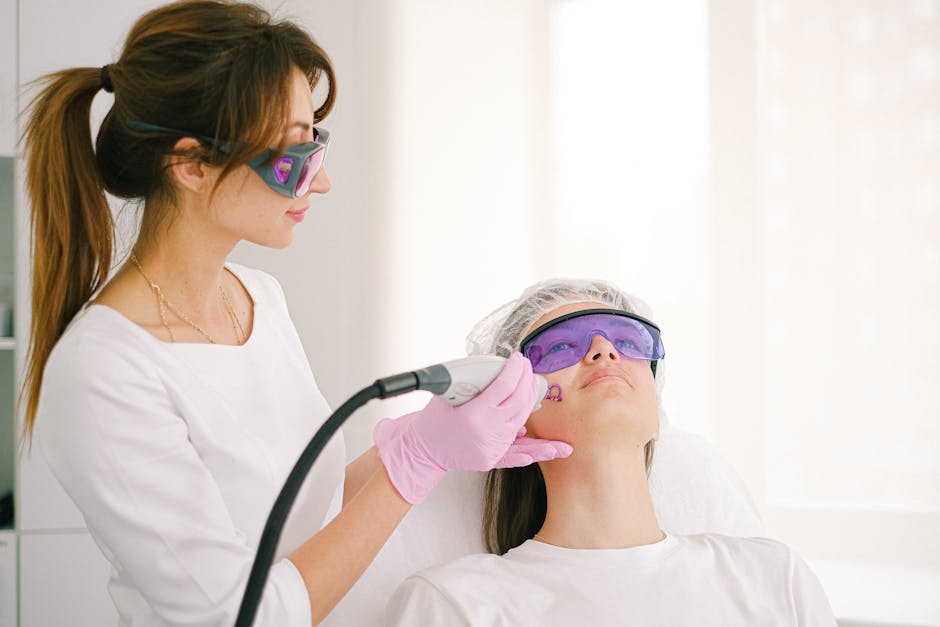
Laser hair removal is a light-based treatment that uses concentrated energy to target the melanin (pigment) inside individual hair follicles. When the follicle absorbs that energy, it heats up — disrupting the follicle's ability to produce hair in future growth cycles.
The phrase hair removal is technically a simplification. The medically accurate term is laser hair reduction, because results vary by individual, and the degree of long-term reduction depends on several interacting factors: the laser technology used, your skin tone, your natural hair colour, the treatment area, your hormonal profile, and how consistently you complete your recommended session plan.
No ethical practitioner will promise total permanence, because the evidence does not support that claim universally. What clinical data does support — across multiple peer-reviewed studies — is that a well-delivered course of laser treatments produces significant, lasting reduction in hair density and regrowth speed for most candidates.
Realistic Treatment Timelines: How Many Sessions Will You Actually Need?
One of the most common frustrations clients express is discovering that the "quick fix" they expected is actually a multi-month commitment. Here is what an honest timeline looks like:
- Minimum sessions for most areas: 6 to 8 sessions
- Spacing between sessions: 4 to 8 weeks, depending on the body area and your individual hair growth cycle
- Total treatment duration: Typically 6 to 12 months for an initial course
- Maintenance sessions: Many clients benefit from one or two annual top-up sessions, particularly if hormonal changes occur
Hair grows in three distinct phases — anagen (active growth), catagen (transitional), and telogen (resting). Laser energy is only effective during the anagen phase, when the follicle is actively producing hair and melanin concentration is highest. Because not all hairs in a given area are in the same phase simultaneously, multiple sessions are necessary to intercept each follicle during its active cycle.
A clinic that quotes you three sessions and calls it complete is either working with an exceptionally small treatment area or is not giving you accurate expectations. Ask specifically: How many sessions does your clinic typically recommend for my target area, and what interval do you space them at?
Skin Type and Hair Type: Why These Details Matter More Than People Realise
Not every laser platform is appropriate for every skin type. This is one of the most clinically significant factors in both safety and outcome, and it is frequently glossed over in clinic marketing.
The Fitzpatrick scale classifies skin tones from Type I (very fair) through Type VI (deeply pigmented). Earlier laser platforms — particularly older Alexandrite systems — carried higher risk of hyperpigmentation or burns on darker Fitzpatrick types (IV, V, VI) because the laser could not reliably distinguish between melanin in the follicle and melanin in the surrounding skin.
Modern platforms have largely addressed this, with Nd:YAG lasers — which use a longer wavelength that bypasses surface melanin more effectively — now considered the clinical standard for darker skin tones. Diode lasers occupy a middle ground, offering versatility across a broader skin type range.
Hair colour also matters significantly:
- Dark brown to black hair: Responds best to laser treatment due to high melanin concentration
- Light brown hair: Responds, but may require additional sessions
- Blonde, grey, red, or white hair: Has very limited melanin and does not respond reliably to current laser technology
An honest clinic will assess your specific combination at consultation and tell you plainly if laser is not the optimal solution for your hair and skin profile.
Pre-Treatment Care: How to Prepare Properly
What you do in the weeks before your session directly affects both safety and efficacy. Here is a standard preparation framework:
4–6 weeks before treatment:
- Stop waxing, plucking, threading, or using depilatory creams in the treatment area. These methods remove the follicle temporarily, leaving nothing for the laser to target. Shaving is acceptable because it removes surface hair without disturbing the root.
- Avoid deliberate tanning — whether sun exposure, sunbeds, or spray tan products — in the treatment area. Tanned skin increases the risk of adverse reactions.
24–48 hours before treatment:
- Shave the treatment area. This reduces surface hair so the laser energy travels directly to the follicle rather than burning hair above the skin, which can cause discomfort.
- Do not apply perfumes, deodorants, or active skincare products (retinoids, AHAs, BHAs) to the area.
- Inform your practitioner of any medications you are currently taking, including topical prescriptions.
On the day:
- Arrive with clean, product-free skin in the treatment area
- Wear loose, comfortable clothing to your appointment
Post-Treatment Care: What Happens After Your Session
Post-treatment skin behaviour is predictable and manageable when you know what to expect.
Immediately after treatment (0–48 hours):
- Redness, mild swelling, and a sensation similar to mild sunburn in the treated area are common and expected. These responses are a normal inflammatory reaction and typically resolve within 24 to 72 hours.
- Apply a fragrance-free, gentle moisturiser or aloe vera gel if recommended by your practitioner
- Avoid heat exposure: saunas, hot showers, steam rooms, and intense exercise that raises body temperature significantly should be avoided for 24 to 48 hours
First two weeks post-treatment:
- Apply broad-spectrum SPF 30 or higher to any treated area exposed to sunlight, consistently
- Avoid exfoliating actives (retinol, glycolic acid) until skin has fully settled
- Do not wax or pluck hairs in the treated area between sessions — shaving is still acceptable
What to watch for: If you experience blistering, crusting, prolonged swelling beyond 72 hours, or changes in skin pigmentation, contact your clinic promptly. These are not typical responses and warrant professional review.
Side Effects and Contraindications: Who Should Not Pursue Laser Treatment
Informed consent requires understanding not only what laser hair reduction can offer, but also where it is not appropriate.
Common, expected side effects:
- Temporary redness and mild swelling
- Follicular oedema (small bumps around each follicle) that resolves within hours
- Mild discomfort during treatment, often described as a snapping sensation
Less common but possible reactions:
- Temporary hyperpigmentation (darkening) or hypopigmentation (lightening) of the treated area, more common with inappropriate laser-skin-type matching
- Paradoxical hair stimulation — a rare phenomenon where laser energy stimulates rather than reduces hair growth, most commonly reported on facial areas in individuals with certain hormonal profiles
Contraindications — situations where laser is not recommended:
- Pregnancy and breastfeeding: There is insufficient safety data to support treatment during these periods, and ethical clinics decline to treat
- Active skin infections, open wounds, or cold sore outbreaks in the treatment area
- Photosensitising medications: Certain antibiotics (particularly tetracyclines), retinoids taken orally, and some antidepressants increase photosensitivity and require a pause in treatment
- Recent significant sun exposure or active tan in the treatment area
- Certain autoimmune conditions affecting the skin
- History of keloid scarring — should be disclosed and discussed prior to treatment
This is not an exhaustive list. A qualified practitioner will take a full medical history before your first session precisely because individual circumstances vary.
How to Verify Clinic Credentials — and Why It Matters
In Abu Dhabi, aesthetic clinics operate under the licensing oversight of the Department of Health Abu Dhabi (DoH). Any clinic performing laser procedures must hold the appropriate facility licence, and practitioners performing treatments must hold valid individual practitioner licences issued by the DoH.
When evaluating any clinic — including Enfield Royal Clinic — you are entitled to ask:
- Is this clinic licensed by the Department of Health Abu Dhabi?
- What are the qualifications and DoH licence status of the practitioner who will deliver my treatment?
- What laser platform does this clinic use, and does it hold CE marking or equivalent international certification? (Note: CE certification reflects the European conformity standard for medical devices — a meaningful benchmark for equipment quality and safety validation.)
- What training has the operator received on the specific device being used?
Equipment matters as much as credentials. Not all laser platforms are equal. Clinics investing in CE-certified, professionally maintained devices from established manufacturers — combined with trained operators — provide a meaningfully different standard of care than those using unverified equipment.
At Enfield Royal Clinic in Khalifa City, practitioners hold valid DoH licences and the clinic operates under full regulatory compliance. Technology selection is guided by clinical appropriateness — meaning the device used is matched to client skin type and treatment area, not defaulted uniformly.
Why the Khalifa City Location Is Relevant for Abu Dhabi Residents
Khalifa City is a strategically accessible district within Abu Dhabi — well-connected by road to central Abu Dhabi, Al Raha, Mohammed Bin Zayed City, and the routes linking to Dubai and Sharjah. For clients commuting from Dubai or Sharjah who prefer a less congested clinic environment than central Abu Dhabi's busier corridors, Khalifa City offers practical advantages: parking accessibility, lower congestion relative to downtown zones, and a residential-area atmosphere that many clients find more comfortable for repeat visits.
For a treatment requiring 6 to 8 or more sessions across 6 to 12 months, proximity and ease of access are not trivial considerations. Choosing a clinic you can realistically reach consistently — without appointment fatigue — is a practical decision that affects whether you complete your course.
Pricing Transparency: What to Expect Structurally
Laser hair reduction pricing in Abu Dhabi varies based on treatment area size, number of sessions purchased, and clinic positioning. Common pricing structures include:
- Per-session pricing for individual areas (small areas like the upper lip, large areas like full legs or back carry different price points)
- Package pricing for a set number of sessions — typically 6 or 8 — which generally offers better value per session than single-session booking
- Full-body packages for clients treating multiple areas simultaneously
Be cautious of pricing that appears unusually low without explanation. Significant underpricing can reflect lower-grade equipment, under-qualified operators, or aggressive commercialisation that prioritises volume over individual assessment. Equally, high pricing alone is not a quality guarantee.
At consultation, a reputable clinic will provide a personalised cost estimate based on your specific areas, assessed skin and hair type, and estimated session requirements — not a one-size-fits-all quote.
The Consultation: The Step Most People Skip and Shouldn't
A consultation is not a sales call. In a properly structured clinic, it is a clinical assessment that determines:
- Whether you are a suitable candidate based on your Fitzpatrick skin type and hair colour
- Whether any current medications or health conditions contraindicate treatment
- Which laser platform is appropriate for your specific profile
- A realistic session estimate for your target areas
- Your pre-treatment preparation instructions
- A clear explanation of what the treatment involves, what to expect during and after sessions, and how to respond to any adverse reactions
At Enfield Royal Clinic, consultations are conducted before any commitment is made. You should leave a consultation with enough information to make a genuinely informed decision — including the freedom to decline if the treatment is not right for you.
Making Your Decision
The best laser hair removal clinic in Abu Dhabi for you is one that respects your right to accurate information, employs properly licensed practitioners, uses appropriately certified equipment, and will decline to treat you if treatment is not clinically appropriate — even if that means losing your business.
Enfield Royal Clinic in Khalifa City is built around that philosophy. If you are ready to have an honest, pressure-free conversation about whether laser hair reduction is suitable for you and what a realistic treatment plan looks like, a consultation is the right first step.
All treatments at Enfield Royal Clinic are subject to individual clinical assessment. Results vary by individual. This article is intended for informational purposes and does not constitute medical advice.
Ready to Begin Your Transformation?
Book a free consultation with our specialist team at Enfield Royal Clinic Khalifa City.