

Cosmetic Surgery Clinic in Khalifa City: 2026–2027 Guide
Cosmetic Surgery Clinic in Khalifa City: Your 2026–2027 Patient Guide
📊 Key Facts
- Enfield Royal Clinic in Khalifa City provides comprehensive cosmetic surgery guidance for 2026–2027.
- Khalifa City has become a healthcare hub attracting patients from Abu Dhabi, Dubai, and Sharjah.
- Guide covers surgeon credentials, consultations, procedures, recovery timelines, and informed decision-making.
- Khalifa City attracts cosmopolitan patients including expatriates, UAE nationals, and international visitors.
- Clinic prioritizes transparency about process, expectations, risks, and realistic surgical outcomes.
Making the decision to pursue cosmetic surgery is deeply personal. Whether you are considering a subtle refinement or a more significant transformation, the quality of your experience — and the safety of your outcome — depends heavily on the clinic and surgeon you choose. At Enfield Royal Clinic in Khalifa City, Abu Dhabi, we believe every patient deserves full transparency: about the process, the realistic expectations, the risks, and the results.
This guide is designed to answer the questions prospective patients most commonly bring to their first consultation, and to help you navigate the landscape of cosmetic surgery in Khalifa City and across Abu Dhabi with confidence.
Why Khalifa City Is Becoming a Destination for Aesthetic Procedures
Khalifa City A, one of Abu Dhabi's most established residential districts, has matured into a hub for premium healthcare services. Its accessibility from central Abu Dhabi, proximity to major road networks, and the growing concentration of internationally trained specialists have made it an increasingly sought-after location for residents across Abu Dhabi, Dubai, and Sharjah who prioritise clinic quality over convenience alone.
The area attracts a cosmopolitan patient demographic — expatriates, UAE nationals, and international visitors — all with one common priority: they want expert care in a safe, discreet, and professionally managed environment.
Surgeon Qualifications: What Matters Most in Abu Dhabi
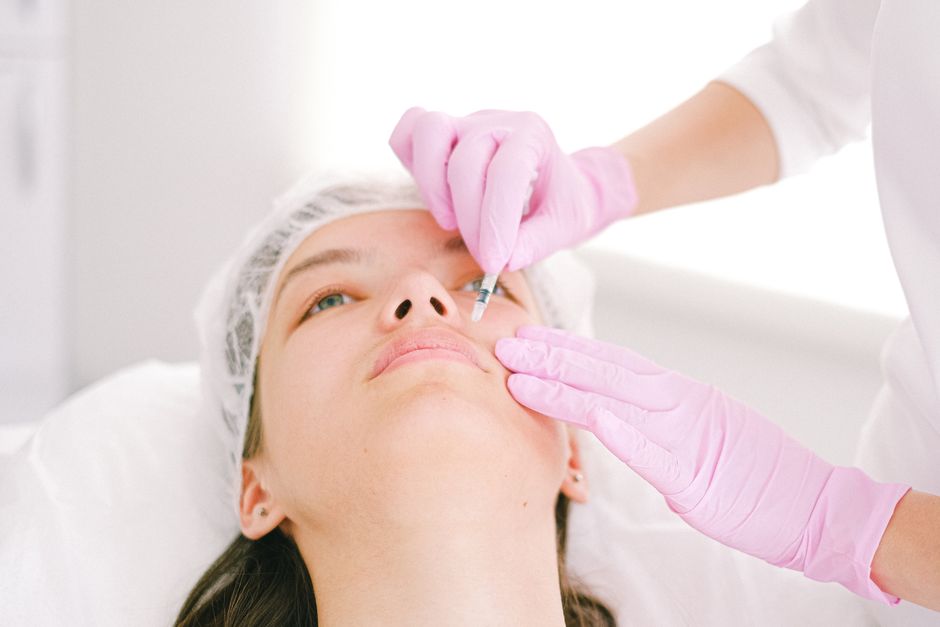
One of the most significant gaps in information available to cosmetic surgery patients in the UAE is how to evaluate a surgeon's credentials. Here is what you should look for before committing to any procedure:
Regulatory Licensing
In Abu Dhabi, cosmetic and plastic surgeons must be licensed by the Department of Health Abu Dhabi (DOH), formerly known as HAAD (Health Authority Abu Dhabi). This is a non-negotiable baseline. Any practitioner performing surgical procedures should be able to confirm active DOH licensure.
For clinics operating in Dubai, the equivalent body is the Dubai Health Authority (DHA). When patients travel between emirates for procedures, they should confirm the regulatory body under which the clinic is accredited.
Board Certification and Specialist Training
Beyond local licensing, look for surgeons who hold internationally recognised certifications — such as board certification from the American Board of Plastic Surgery (ABPS), the European Board of Plastic, Reconstructive and Aesthetic Surgery (EBOPRAS), or equivalent bodies from the UK, Canada, or the Arab Board of Health Specializations.
A credentialled specialist will also be transparent about their sub-specialisation. A surgeon who primarily focuses on facial procedures will typically achieve better outcomes in rhinoplasty or facelifts than a generalist. Ask about the volume of procedures they perform annually in the specific area you are considering.
Red Flags to Avoid
- Vague or unverifiable credentials
- Pressure to decide quickly or accept package-based discounts without proper consultation
- Clinics that cannot name the specific regulatory body under which they operate
- Practitioners who cannot discuss risks and alternatives clearly
The Consultation Process: What to Expect at Enfield Royal Clinic
At Enfield Royal Clinic, every patient journey begins with a structured, no-pressure consultation designed to educate and empower — not to sell.
What Happens During a Cosmetic Surgery Consultation?
1. Medical History and Health Assessment Your surgeon will review your medical background, current medications, previous surgeries, and any conditions that may affect surgical planning or anaesthesia. Honesty at this stage is essential — undisclosed conditions can directly affect safety.
2. Aesthetic Goals Discussion This is a conversation, not a presentation. Your surgeon will ask you to describe what you hope to achieve and will listen carefully. Visual references (photos you bring, digital imaging tools) may be used to align expectations.
3. Candidacy Evaluation Not every patient is an ideal candidate for every procedure at every time. Factors such as skin quality, body mass index, psychological readiness, and smoking status all affect candidacy. A responsible surgeon will tell you honestly if a procedure is not appropriate for you — or if a non-surgical alternative may better serve your goals.
4. Procedure Walkthrough and Risk Discussion Your surgeon will explain the procedure in plain language: what it involves, typical recovery timelines, expected results, and known risks. This conversation should feel informative and balanced — not alarming, but never minimised.
5. Questions — Yours and Theirs Come prepared. See the section below for a list of questions worth asking.
Common Cosmetic Procedures: Realistic Outcomes Language
Below are the procedures most frequently requested at our Khalifa City clinic, alongside honest expectation-setting.
Rhinoplasty (Nose Reshaping)
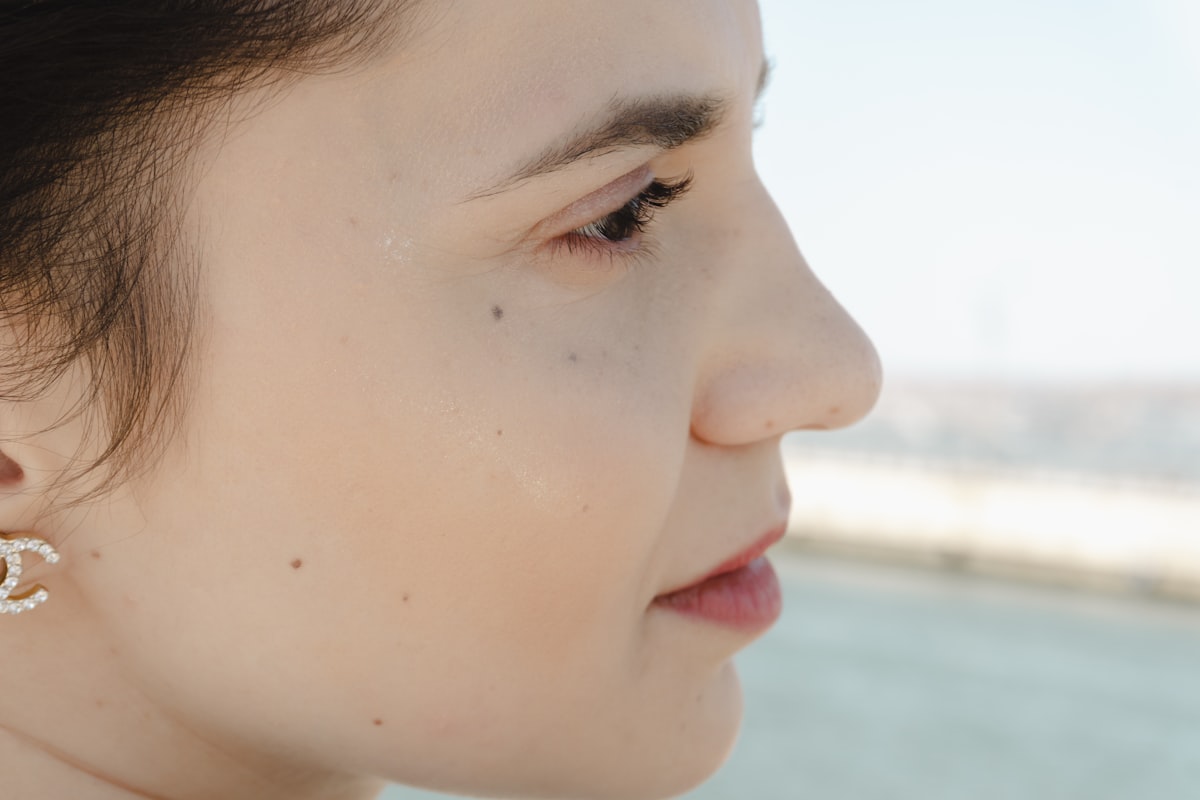
One of the most technically demanding facial procedures, rhinoplasty refines the shape, size, or function of the nose. Swelling is significant in the first two to three weeks; final results typically stabilise over 12 to 18 months. Skilled rhinoplasty produces natural-looking, long-lasting results — but revision rates industry-wide underscore the importance of selecting an experienced surgeon.
Breast Augmentation
Using implants or fat transfer, breast augmentation enhances volume and projection. Patients should expect two to six weeks of restricted physical activity and several months before the implants fully settle into their natural position. Results are long-lasting with proper care, though implants are not lifetime devices and may require future assessment or replacement.
Liposuction and Body Contouring
Liposuction removes localised fat deposits resistant to diet and exercise. It is a contouring tool, not a weight-loss solution. Final results emerge over three to six months as swelling resolves. Combining liposuction with skin tightening treatments may be recommended depending on skin laxity.
Facelift (Rhytidectomy)
A facelift addresses sagging skin, jowls, and deep facial folds. Recovery typically involves two to three weeks of visible bruising and swelling. The result is a refreshed, more youthful appearance — not a different face. Skilled surgeons achieve results that look natural rather than operated.
Eyelid Surgery (Blepharoplasty)
Upper or lower eyelid correction addresses excess skin and puffiness. Recovery is relatively swift — typically one to two weeks — with results that can meaningfully rejuvenate facial expression.
Hair Transplant
Using FUE (Follicular Unit Extraction) or FUT techniques, hair transplant surgery redistributes healthy follicles to thinning areas. New hair growth is typically visible from three to four months, with full results at 12 to 18 months. Results are long-lasting when performed on stable donor areas.
Safety Standards and UAE Regulatory Compliance
Cosmetic surgery in the UAE is a regulated medical practice — not an unregulated beauty service. DOH-licensed facilities in Abu Dhabi are subject to:
- Facility accreditation standards requiring appropriate surgical theatre environments, sterilisation protocols, and emergency preparedness
- Anaesthesia administered by licensed anaesthesiologists, not nursing staff
- Post-operative monitoring protocols to identify and respond to complications early
- Informed consent documentation that is mandatory before any elective procedure
At Enfield Royal Clinic, our processes are aligned with these regulatory requirements. Patients are encouraged to ask any clinic they consider: Is this facility DOH-accredited? Who administers anaesthesia? What is your protocol if a complication arises?
Pre- and Post-Operative Care: Your Responsibilities Matter
Surgical outcomes are a partnership. Your surgeon's skill accounts for a significant portion of the result — but your preparation and aftercare directly influence healing and longevity.
Before Surgery
- Stop smoking at least four to six weeks prior (smoking significantly impairs wound healing)
- Discontinue blood-thinning medications and supplements as directed (aspirin, fish oil, vitamin E)
- Arrange post-operative support — transportation home, assistance for the first 24–48 hours
- Attend all pre-operative appointments and complete required laboratory tests
After Surgery
- Follow wound care and compression garment instructions precisely
- Attend all scheduled follow-up appointments — even if you feel well
- Avoid sun exposure to healing incisions for a minimum of three to six months
- Manage expectations during the healing phase — swelling, bruising, and temporary asymmetry are normal and do not reflect final results
Understanding Cosmetic Surgery Costs in Abu Dhabi
Cost is a legitimate consideration — and one that deserves honest discussion rather than evasion. Cosmetic surgery pricing in Abu Dhabi reflects several variables:
- Surgeon experience and specialisation — board-certified specialists with international training typically command higher fees, which is a reflection of training investment and outcome quality
- Procedure complexity and duration — longer, more technically involved procedures carry higher costs
- Anaesthesia and facility fees — operating in a properly accredited surgical facility with a licensed anaesthesiologist adds to cost but is not optional in a reputable clinic
- Post-operative care and follow-up — comprehensive aftercare should be included, not an add-on
Pricing for cosmetic procedures in the UAE varies considerably. Rather than seeking the lowest available price, focus on value: what is included, who is performing the procedure, and what level of post-operative support is provided.
Regarding financing: Enfield Royal Clinic offers structured payment options for eligible patients. During your consultation, our patient coordinators can outline the arrangements available without pressure or obligation.
Note: Cosmetic surgery is typically not covered by health insurance in the UAE, though some insurance plans may cover reconstructive procedures with documented medical necessity. Confirm your coverage directly with your insurer.
Non-Surgical Alternatives Worth Knowing About
Not every aesthetic concern requires surgery. For patients in the early stages of consideration — or those for whom surgery is not appropriate — non-surgical alternatives may achieve meaningful results:
- Botulinum toxin (anti-wrinkle injections): Temporary reduction of dynamic facial lines; results last three to six months
- Dermal fillers: Volume restoration in cheeks, lips, and under-eye areas; results vary by product and area
- Laser skin resurfacing: Addresses texture, pigmentation, and mild laxity without surgery
- Thread lifts: A minimally invasive option for mild to moderate facial sagging
- Non-surgical rhinoplasty: Filler-based nose reshaping for minor contour concerns
During your consultation, your practitioner may recommend beginning with a non-surgical approach, monitor results, and revisit surgical options with more information — this is a sign of patient-centred care, not avoidance.
Questions to Ask During Your Consultation
Arriving prepared transforms a consultation from a passive experience into a collaborative one. Consider asking:
- What specific credentials and board certifications do you hold, and are you licensed with the DOH?
- How many times have you performed this specific procedure in the past year?
- Can I see a portfolio of previous patients with similar anatomy to mine?
- What are the realistic risks associated with this procedure, and how are they managed?
- What does the total cost include — facility, anaesthesia, follow-up care?
- What is my recovery timeline, and when can I return to work and exercise?
- What is your protocol if I experience a complication after discharge?
- Am I a good candidate for this procedure, or would you recommend an alternative?
A surgeon who welcomes these questions — and answers them thoroughly — is a surgeon worth trusting.
Making Your Decision: A Framework for Confidence
Choosing a cosmetic surgery clinic in Khalifa City is not a decision to make based on price alone, proximity, or social media presence. The right clinic will:
- Employ DOH-licensed surgeons with verifiable international credentials
- Offer a structured, unhurried consultation process
- Discuss risks and alternatives honestly — without minimising either
- Provide transparent, itemised cost information
- Demonstrate a clear post-operative care protocol
- Encourage you to take time to decide
At Enfield Royal Clinic, our philosophy is simple: an informed patient makes better decisions, experiences less anxiety, and achieves results they are genuinely satisfied with. We welcome patients from across Khalifa City, Abu Dhabi, Dubai, and Sharjah for initial consultations — with no obligation and no pressure.
Ready to begin your consultation? Contact Enfield Royal Clinic in Khalifa City, Abu Dhabi, to schedule a private appointment with one of our qualified aesthetic surgeons.
Treatments Mentioned in This Article
Rhinoplasty
Refine the shape, size or profile of your nose while preserving natural breathing function.
Learn More
Liposuction
Remove stubborn, diet-resistant fat deposits to sculpt a more defined body contour.
Learn More
Breast Augmentation
Enhance breast size, shape and symmetry using implants or your own transferred fat.
Learn MoreReady to Begin Your Transformation?
Book a free consultation with our specialist team at Enfield Royal Clinic Khalifa City.