
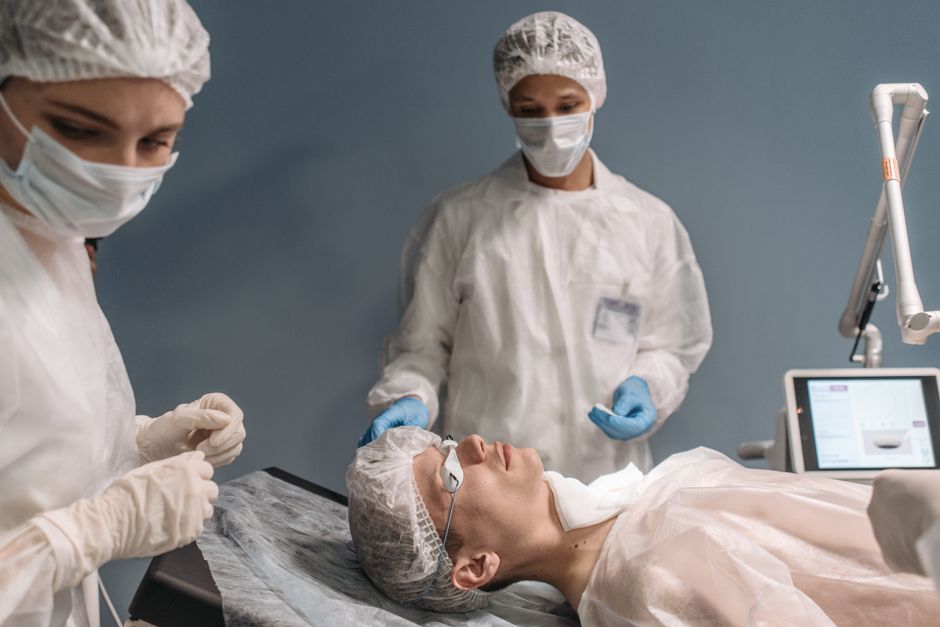
Double Chin Removal Abu Dhabi 2026–2027: Surgical & Non-Surgical Options
Double Chin Removal in Khalifa City, Abu Dhabi (2026–2027): A Transparent Guide to Surgical & Non-Surgical Procedures
📊 Key Facts
- Double chin caused by genetics, weight fluctuations, and natural ageing
- Enfield Royal Clinic offers surgical and non-surgical removal options in Abu Dhabi
- Submental fullness is common aesthetic concern at the clinic
- Fat distribution patterns are largely hereditary and individual
- Skin laxity increases with age due to collagen and elastin decline
- Double chin can return after treatment in certain circumstances
A visible fold beneath the chin—medically termed submental fullness—is one of the most common aesthetic concerns among patients who visit Enfield Royal Clinic in Khalifa City, Abu Dhabi. Whether you are considering your first consultation or comparing your options after prior research, this guide is designed to give you an honest, procedure-focused overview of what is actually available, how each approach works, and what a realistic journey looks like from consultation through recovery.
What Causes a Double Chin?
Submental fullness rarely has a single cause. The most common contributing factors include:
- Genetics: Fat distribution patterns are largely hereditary. Some individuals develop submental fat at a healthy body weight, while others do not develop it even with significant weight gain.
- Weight fluctuation: Repeated cycles of weight gain and loss can stretch the skin beneath the chin and contribute to residual fat deposits.
- Natural ageing: As collagen and elastin production decline, the skin beneath the jaw loses laxity, which can make an existing fat deposit appear more prominent.
- Posture and anatomical structure: Jawline depth, hyoid bone position, and neck muscle tone all influence how pronounced submental fullness appears.
Can a double chin return after treatment? Yes—in certain circumstances. Fat cells that are surgically removed do not regenerate, but significant weight gain after treatment can cause remaining fat cells in the area to enlarge. Ageing also continues to affect skin laxity over time. This is why realistic expectations and a discussion of long-term lifestyle are part of every consultation at Enfield Royal Clinic.
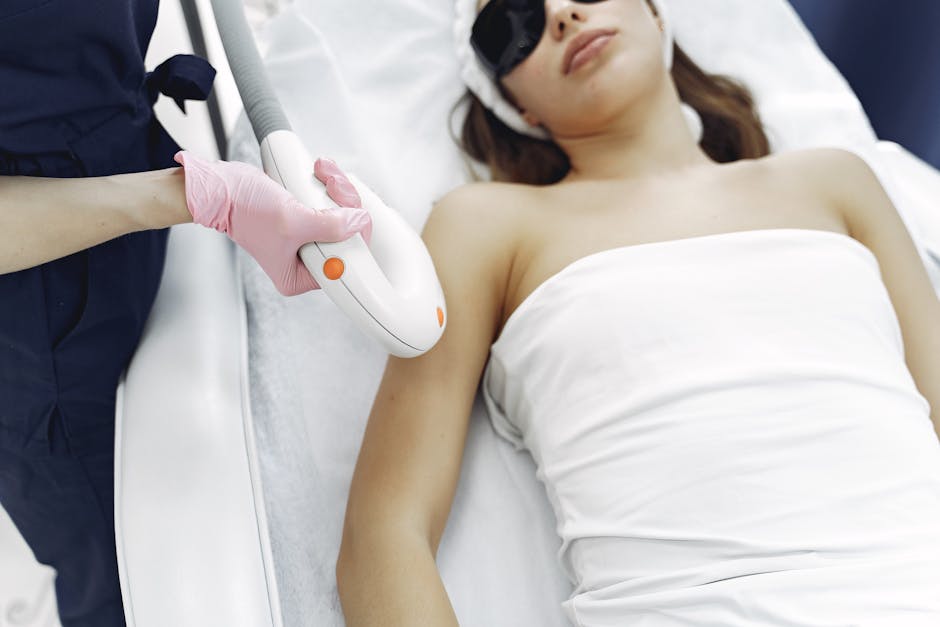
Surgical Double Chin Removal Options in Khalifa City
Surgical approaches are generally recommended for candidates with moderate to significant submental fat volume, or those whose skin laxity may benefit from more structural intervention. All surgical procedures at Enfield Royal Clinic are performed within a regulated facility that meets Abu Dhabi's MOHAP (Ministry of Health and Prevention) standards.
VASER Liposuction
VASER (Vibration Amplification of Sound Energy at Resonance) uses ultrasound energy to selectively emulsify fat cells before they are gently aspirated. Because the ultrasound energy targets fat preferentially, surrounding connective tissue and blood vessels experience less disruption than with traditional liposuction. This selective action also stimulates some degree of skin retraction in the treated area—though individual skin response varies significantly and cannot be guaranteed.
How it works: A small probe is inserted through a micro-incision beneath the chin. Ultrasonic waves liquefy fat, which is then removed via a thin cannula. The procedure is typically performed under local anaesthesia with sedation, though general anaesthesia is an option for select candidates.
Recovery: Expect swelling and bruising for 1–3 weeks. A compression garment is worn around the chin and neck for approximately two to four weeks. Most patients return to desk-based work within five to seven days. Final tissue settling can take three to six months.
Body Jet (Water-Jet Assisted) Liposuction
Body Jet liposuction uses a pressurised stream of tumescent fluid to gently dislodge fat cells, which are simultaneously aspirated. Because fat cells are loosened rather than aggressively broken down, this technique is associated with a gentler tissue profile. It is performed under local anaesthesia in most chin cases.
Recovery: Similar to VASER—swelling and mild bruising for one to two weeks, compression garment advised for two to three weeks.
Traditional Liposuction
Conventional liposuction uses mechanical cannula movement to break up and remove fat. It remains a well-established technique for submental fat removal, though it does not offer the skin-tightening mechanism associated with ultrasound-based approaches. It is often the most cost-accessible surgical option.
A note on anaesthesia: Local anaesthesia numbs the treatment area and reduces procedural discomfort significantly, but it does not eliminate all sensation. Patients should expect to feel pressure and movement during the procedure. Practitioners at Enfield Royal Clinic discuss anaesthesia preferences during consultation and tailor the approach to each patient's anatomy and comfort level.
Non-Surgical Double Chin Removal Options
Non-surgical treatments are suited to candidates with mild to moderate submental fat who prefer to avoid anaesthesia, incisions, and surgical downtime. They generally require multiple sessions and involve a more gradual visible change.
Deoxycholic Acid Injections
Deoxycholic acid is a naturally occurring bile acid that disrupts the membrane of fat cells, causing them to break down and be gradually metabolised by the body. When injected directly into submental fat, it selectively damages fat cell membranes in the treated zone.
How it works: Multiple small injections are placed in a grid pattern beneath the chin during each session. The treated fat cells are destroyed over the following weeks as the body clears cellular debris. Most protocols involve two to four sessions spaced four to six weeks apart.
Temporary side effects: Swelling, redness, and firmness in the treatment area are expected and typically peak within 48–72 hours. Numbness in the area can persist for several weeks. These are expected physiological responses during the healing phase, not permanent complications.
Cryolipolysis (Fat Freezing)
Cryolipolysis uses precisely controlled cooling to bring submental fat cells to a temperature at which they undergo programmed cell death (apoptosis), while overlying skin and surrounding tissue remain unaffected. The destroyed cells are gradually cleared through the lymphatic system over the following weeks.
How it works: A specially designed applicator is placed beneath the chin, creating controlled suction and cooling simultaneously. The process typically takes 35–45 minutes per session. Multiple sessions may be required depending on fat volume.
Temporary side effects: Temporary redness, numbness, tingling, and mild swelling are common post-treatment. A temporary paradoxical adipose hyperplasia (PAH) is a rare but documented risk—this is discussed during consultation.
Radiofrequency Treatments
Radiofrequency (RF) devices deliver energy that heats the deeper dermal and subdermal layers, stimulating collagen remodelling and providing mild fat reduction. RF is most effective for patients whose primary concern is skin laxity with minimal fat volume, or as a complementary step following a fat-reduction procedure.
How it works: A handheld device delivers RF energy through the skin surface. Treatment is non-invasive and requires no downtime, but multiple sessions (often six to eight) are needed to observe tissue changes.
Recovery Timelines at a Glance
| Procedure | Immediate Downtime | Return to Work | Full Settling |
|---|---|---|---|
| VASER Liposuction | 1–3 days rest | 5–7 days | 3–6 months |
| Body Jet Liposuction | 1–2 days rest | 4–6 days | 2–4 months |
| Traditional Liposuction | 1–3 days rest | 5–7 days | 3–6 months |
| Deoxycholic Acid Injections | 48–72 hrs swelling | 1–2 days | 4–8 weeks per session |
| Cryolipolysis | Minimal | Same day | 8–12 weeks |
| Radiofrequency | None | Same day | Gradual; multiple sessions |
Cost Factors for Double Chin Removal in Abu Dhabi
In the Abu Dhabi market, surgical double chin procedures typically range from AED 10,000 to AED 18,000, while non-surgical options may range from AED 1,500 to AED 4,000 per session, depending on the device and number of sessions required. Several factors affect where a specific patient's cost falls within these ranges:
- Technique selected: VASER carries a higher equipment cost than traditional liposuction.
- Practitioner experience and credentials: Board-certified plastic or aesthetic surgeons with specialist training command a premium that reflects skill and safety standards.
- Anaesthesia type: General anaesthesia adds facility and anaesthesiologist fees.
- Number of sessions: Non-surgical protocols requiring three or four sessions will accumulate cost over time.
- Facility accreditation: Procedures performed in MOHAP-licensed facilities in Abu Dhabi adhere to regulated safety standards, which is reflected in facility fees.
A precise cost is only determinable following a physical consultation and anatomical assessment—no ethical provider can quote a final price without examining the patient.
Am I a Candidate? How the Assessment Works
Not every patient is suited to every procedure, and this is precisely why professional evaluation is the non-negotiable starting point. During your consultation at Enfield Royal Clinic, the practitioner will assess:
- Fat volume and distribution: How much submental fat is present and whether it is primarily subcutaneous (beneath the skin) or deeper.
- Skin laxity: Loose or thin skin may not contract sufficiently after fat removal, which influences whether a skin-tightening component is needed.
- Overall health and medical history: Certain medications, bleeding disorders, and prior surgeries affect candidacy for anaesthesia and surgical procedures.
- Realistic expectations: A thorough discussion of what each procedure can and cannot achieve for your specific anatomy—not a generic outcome promise.
Some patients may not be candidates for surgical approaches due to health factors, and others may find that non-surgical options alone are insufficient for the degree of change they are hoping for. These conversations happen openly during consultation.
Frequently Asked Questions
How soon will I see results?
Surgical results become visible once swelling resolves—typically two to four weeks post-procedure, with the final outcome apparent at three to six months. Non-surgical results emerge more gradually: four to twelve weeks after each session, depending on the modality.
How long do results last?
Fat cells removed surgically do not regenerate. However, remaining fat cells can enlarge with significant weight gain, and skin continues to age naturally. Non-surgical results also depend on maintaining stable weight and may benefit from retreatment over time.
Is the procedure painful?
Discomfort varies by procedure and individual pain threshold. Local anaesthesia significantly reduces procedural sensation, though pressure and movement are typically felt. Post-procedure soreness is expected and managed with prescribed aftercare.
Can I combine treatments?
Yes. In some cases, combining fat removal (surgical or non-surgical) with a skin-tightening modality such as radiofrequency is clinically appropriate. This is assessed individually, not applied as a standard package.
Why a Medical Consultation is the Only Appropriate Starting Point
The volume of online content about double chin removal can create the impression that choosing a treatment is a simple comparison exercise. In practice, the anatomy beneath the chin is complex—platysmal muscle bands, submandibular gland position, skin thickness, and fat depth all vary considerably between individuals. A technique that produces well-tolerated outcomes for one patient may not be appropriate for another with different anatomy or health history.
At Enfield Royal Clinic in Khalifa City, Abu Dhabi, every double chin removal journey begins with a comprehensive face-to-face consultation with a qualified practitioner. This is not a formality—it is the mechanism by which the safest and most appropriate procedure is identified for each unique patient.
Ready to understand your options? Schedule a consultation at Enfield Royal Clinic in Khalifa City, Abu Dhabi, and receive a personalised assessment from a qualified aesthetic practitioner—no obligation, no generic treatment plans.
Ready to Begin Your Transformation?
Book a free consultation with our specialist team at Enfield Royal Clinic Khalifa City.