

Where to Get Breast Implants in Abu Dhabi 2026–2027
Where Can I Get Breast Implants in Abu Dhabi? A Practical Guide for 2026–2027
📊 Key Facts
- Breast augmentation is one of the most performed cosmetic procedures globally
- Khalifa City has emerged as a practical hub for premium cosmetic surgery care
- Silicone gel implants are the most commonly chosen option in the UAE
- Modern silicone implants include highly cohesive 'gummy bear' variants reducing migration risk
- Saline implants require smaller incisions and ruptures are immediately apparent
Breast augmentation is one of the most performed cosmetic procedures globally, and Abu Dhabi's cosmetic surgery sector has matured considerably — with Khalifa City emerging as a practical hub for residents seeking premium, accessible care. But identifying where to get breast implants is only the first question. The more important questions are: how do you evaluate your options, verify your surgeon, and prepare realistically for what comes next?
This guide addresses all of that — frankly, specifically, and without overstating what any procedure can guarantee.
What Breast Implant Options Are Available in Abu Dhabi?
Before choosing a clinic, understand the core variables in breast implant surgery. These decisions are made collaboratively with your surgeon during consultation, but arriving informed leads to better conversations.
Silicone vs. Saline Implants
Silicone gel implants are the most commonly chosen option in the UAE and globally. They are filled with a cohesive gel that mimics the feel of natural breast tissue. Modern silicone implants — including highly cohesive "gummy bear" variants — maintain their shape even if the shell is compromised, reducing migration risk.
Saline implants are filled with sterile salt water and inserted empty, then filled once positioned. They require a slightly smaller incision and any rupture is immediately apparent (the implant deflates visibly). Some patients prefer them for this reason.
Both types must meet international manufacturing standards. In the UAE, implants used by licensed clinics should be sourced from manufacturers with CE marking (European Conformity) or FDA clearance — such as those produced by Mentor, Allergan (now AbbVie), and Sientra. Ask your surgeon directly which manufacturer they use and why.
Shapes: Round vs. Anatomical
Round implants create uniform fullness across the entire breast and are often preferred for a more pronounced upper-pole projection. They are also less likely to cause visible distortion if they rotate inside the pocket.
Anatomical (teardrop) implants are designed to replicate the natural slope of the breast, with more volume at the lower pole. They are textured on the exterior to reduce rotation — though textured implants have been subject to global discussions regarding a rare condition called BIA-ALCL (breast implant-associated anaplastic large cell lymphoma). This is not a reason to categorically avoid textured implants, but it is something your surgeon must discuss with you transparently before you consent.
Profiles: Low, Moderate, High, and Extra-High
Profile refers to how far the implant projects forward from the chest wall relative to its base diameter. A low profile implant is wider with less forward projection; a high profile implant has a narrower base and projects further outward. The right profile depends on your natural chest width, existing breast tissue, and aesthetic goals — not a one-size-fits-all recommendation.
Sizing (measured in cubic centimetres, typically ranging from 150cc to 800cc+) is determined by your existing anatomy, skin elasticity, and what you hope to achieve. Surgeons typically use 3D imaging or sizer trials during consultation to help you visualise outcomes.
The Consultation Process: What to Expect
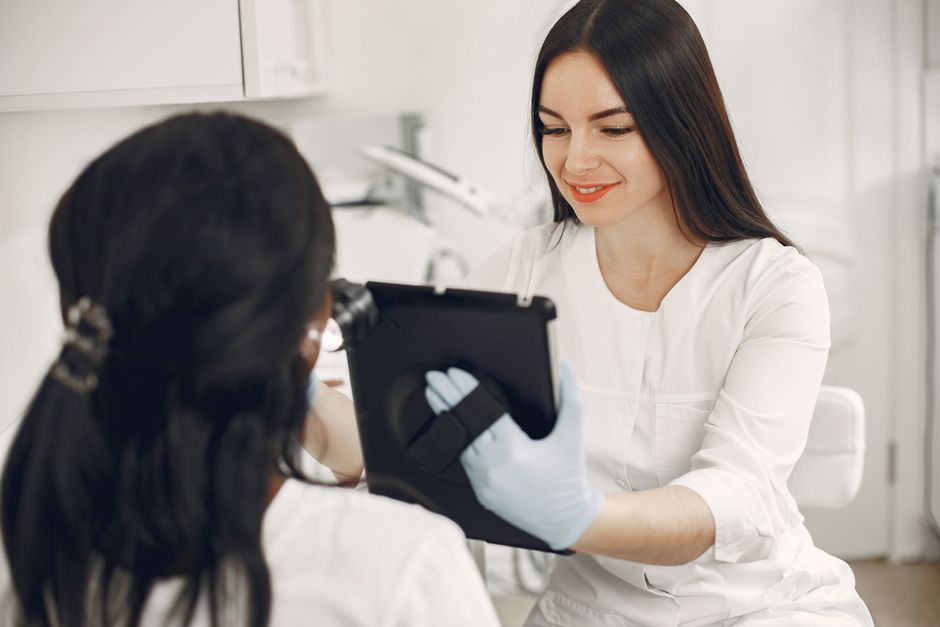
A thorough consultation at a reputable clinic is not a 15-minute sales conversation. It is a structured medical assessment.
Expect your consultation to include:
- Medical history review — including any prior surgeries, medications, smoking status, and family history of breast cancer
- Physical assessment — measurements of chest width, breast tissue volume, skin laxity, and nipple position
- Imaging or sizer trials — many clinics use digital simulation tools to preview approximate outcomes; understand these are approximations, not guarantees
- Implant selection discussion — your surgeon should walk through size, shape, profile, and incision placement options (inframammary fold, periareolar, or transaxillary)
- Risk and complication disclosure — a legally and ethically compliant surgeon will cover this explicitly (see the section below)
- Cost breakdown — a reputable clinic provides itemised estimates, not vague ranges
Prepare for your consultation by writing down your goals, bringing photos of results you find appealing (as reference points, not blueprints), and listing all current medications including supplements. Come with questions — the section below gives you a starting framework.
How to Verify Surgeon Credentials in the UAE
This is the most consequential step in your decision, and one that most guides skip entirely.
In the UAE, all practising physicians — including cosmetic surgeons — must be licensed by either the Department of Health Abu Dhabi (DOH) or the Ministry of Health and Prevention (MOHAP), depending on the emirate and facility type. For Abu Dhabi-based clinics, the DOH licence is the relevant credential.
What to verify:
- DOH licence number — ask the clinic directly and cross-reference on the DOH Abu Dhabi official portal (doh.gov.ae). Licensed practitioners are searchable by name or registration number.
- Specialist classification — the DOH classifies practitioners as General Practitioner, Specialist, or Consultant. For breast augmentation, you should be treated by a surgeon with at minimum a Specialist classification in Plastic Surgery or General Surgery with cosmetic subspecialty.
- Board certifications — international certifications from bodies such as the American Board of Plastic Surgery (ABPS), the European Board of Plastic, Reconstructive and Aesthetic Surgery (EBOPRAS), or equivalent Arab Board qualifications add a layer of verified competency.
- Years of experience specifically in breast augmentation — ask how many breast augmentation procedures the surgeon performs annually. Volume matters for procedural consistency.
- Facility accreditation — the clinic itself should hold relevant accreditation. Look for Joint Commission International (JCI) accreditation or ISO certification as indicators of operational standards.
Do not proceed with any clinic that is unwilling to provide this information clearly.
Safety Considerations and Complications to Discuss Before Surgery
No ethical provider should minimise surgical risk. Breast augmentation is an elective surgical procedure with real, documented complication possibilities.
Discuss the following with your surgeon explicitly:
- Capsular contracture — the most common long-term complication, where scar tissue hardens around the implant causing discomfort or distortion. It affects an estimated 10–15% of patients over time and may require revision surgery.
- Implant rupture or leakage — both silicone and saline implants can rupture. Silicone ruptures are often "silent" (no immediate symptoms), which is why routine MRI monitoring is recommended at intervals post-surgery.
- Infection — typically presents within the first few weeks post-operation. Risk is mitigated by antibiotic protocols and sterile surgical environments.
- Changes in nipple or breast sensation — temporary or permanent changes in sensitivity occur in a subset of patients.
- BIA-ALCL — as noted above, a rare lymphoma associated specifically with textured implants. Cumulative global risk is estimated at approximately 1 in 2,000 to 1 in 86,000 (varies by implant type). Discuss this risk in context if textured implants are proposed.
- Revision surgery — implants are not lifetime devices. Many patients undergo revision or replacement surgery within 10–20 years.
A surgeon who dismisses these topics or provides only reassurance without substance is a red flag.
Recovery Timeline: Realistic Week-by-Week Expectations
Recovery from breast augmentation is gradual. Any claim that you can "resume normal life immediately" or recover in days should be treated with significant scepticism.
Week 1: Most patients experience significant soreness, tightness, and swelling. Drain management may be required depending on surgical technique. Activity is strictly limited — no lifting, no overhead movements, no driving if on prescription pain relief.
Weeks 2–3: Swelling begins to reduce. Most patients can return to light desk-based work by the end of week two, though this depends on individual healing. A supportive surgical bra is worn continuously.
Weeks 4–6: Gradual return to light walking and low-impact activities. Most bruising has resolved. The implants continue to settle — the final position is not fully visible at this stage.
3–6 Months: Implants reach their settled position. Residual swelling fully resolves. Scars begin to fade, though complete scar maturation takes 12–18 months.
12 Months: A follow-up imaging assessment (ultrasound or MRI, depending on implant type) may be recommended to check implant integrity.
Return-to-exercise timelines are surgeon-specific — most practitioners recommend avoiding chest-focused strength training for a minimum of six weeks, with full unrestricted exercise clearance typically at three months.
Pricing Transparency: What Influences Cost in Abu Dhabi
Breast augmentation costs in Abu Dhabi vary based on several concrete factors. Understanding what drives variation prevents you from comparing quotes without context.
Cost drivers include:
- Implant manufacturer and type — premium-brand silicone implants (Allergan, Mentor) carry higher material costs than generic alternatives. Patients should ask specifically which brand is included in their quote.
- Surgeon's classification and experience — a DOH-classified Consultant commands higher fees than a Specialist; both are legitimate but reflect different seniority levels.
- Anaesthesia type and duration — general anaesthesia managed by a dedicated anaesthesiologist increases cost compared to sedation, but is the standard of care for breast augmentation.
- Facility fees — a JCI-accredited hospital-based surgery suite carries higher overhead than a standalone clinic. This often reflects standards of sterilisation, equipment, and emergency readiness.
- Post-operative care inclusion — does the quoted price include follow-up appointments, post-operative garments, and dressing changes? These vary significantly between providers.
- Revision or complication coverage — some clinics include a revision guarantee period in their pricing; others do not. Clarify this explicitly.
Request an itemised quote, not a headline number. Any clinic offering a single price with no breakdown should prompt you to ask detailed follow-up questions before proceeding.
Why Khalifa City Is a Practical Choice for Ongoing Care
Proximity matters more than many patients realise — not for the surgery itself, but for the follow-up care that determines outcomes.
Khalifa City's location on Abu Dhabi Island's southern periphery offers residents direct access via Sheikh Zayed Bin Hamdan Al Nahyan Street and Mohammed Bin Zayed City interchange routes. For patients in Khalifa City, Al Raha, Mussafah, and surrounding areas, clinics operating within the district eliminate the need for high-frequency travel into central Abu Dhabi during the recovery period — when driving may be restricted and discomfort is highest.
Consistency of follow-up with the same surgical team (rather than delegated nurses at a distant facility) is associated with faster complication detection and better post-operative communication. When evaluating clinics, ask specifically who manages your aftercare — the surgeon, a dedicated nurse, or a rotating staff member.
Enfield Royal Clinic, Khalifa City: What to Know
Enfield Royal Clinic operates in Khalifa City, Abu Dhabi, as a premium cosmetic and aesthetic clinic serving residents of Khalifa City, Abu Dhabi, Dubai, and Sharjah. The clinic's surgical team performs breast augmentation consultations and procedures for patients seeking a structured, medically supervised experience with attentive follow-up care built into the process.
Prospective patients are encouraged to verify the clinic's DOH licensing, ask for the performing surgeon's classification and years of breast augmentation experience, and request a full itemised cost breakdown before committing. These are reasonable expectations of any reputable provider — and a clinic that meets them without hesitation is demonstrating the transparency that quality care requires.
Questions to Ask Before Choosing a Clinic
Use this checklist during or before your consultation:
- What is your DOH licence number, and are you classified as Specialist or Consultant in Plastic Surgery?
- How many breast augmentation procedures do you perform per year?
- Which implant manufacturers do you use, and what is their CE or FDA status?
- What is included in the quoted price — implants, anaesthesia, facility fees, follow-up appointments, compression garments?
- What is your protocol if I develop capsular contracture or another complication within the first year?
- Will you personally perform my follow-up appointments, or will aftercare be delegated?
- Do you use textured or smooth implants, and how do you address the BIA-ALCL discussion with patients?
- Can I see your clinic's accreditation documentation?
A surgeon who welcomes these questions is a surgeon worth considering. One who deflects them is not.
This article is intended for informational purposes only and does not constitute medical advice. Breast augmentation is a surgical procedure carrying real risks. Consult a DOH-licensed plastic surgeon for a personalised assessment before making any decisions regarding surgery.
Ready to Begin Your Transformation?
Book a free consultation with our specialist team at Enfield Royal Clinic Khalifa City.